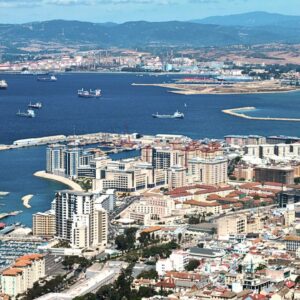
Algeciras It is the most populous city in the province of Cádiz and the real Gateway to the Strait: from its port, one of the largest in Europe, you can reach Africa in an hour. Opposite, on the other side of the bay, lies the Rock of Gibraltar.
It is often overshadowed by its neighbouring towns, which is a mistake: it has a historic centre with a clock that is one of the most accurate in the world, a neighbourhood born out of exile, and the largest cork oak forest on the Iberian Peninsula just ten minutes away.
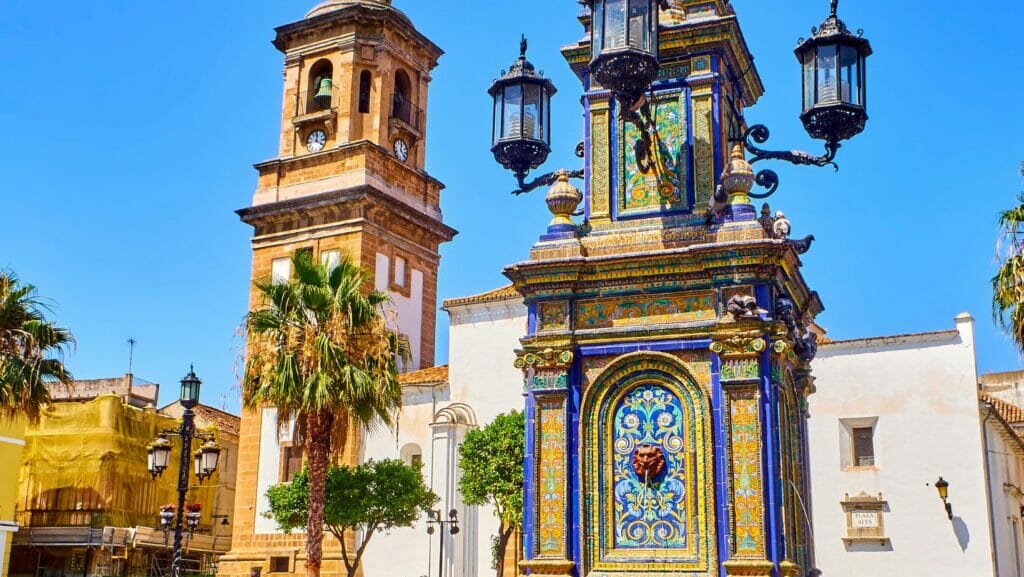
The heart of the city and the best place to start. Its current appearance is that of early 20th century, featuring regionalist architecture: colourful ceramic paving, tiled benches, decorated street lamps and a central fountain. It is inevitably reminiscent of Seville’s Plaza de España.
And here’s the detail that almost nobody looks for: If you look closely at the tiles on the benches, you’ll find references to Don Quixote. They’re there, but you have to look at them.
The square is home to Algeciras’s two main churches, and from here you can walk to practically the whole of the town centre.
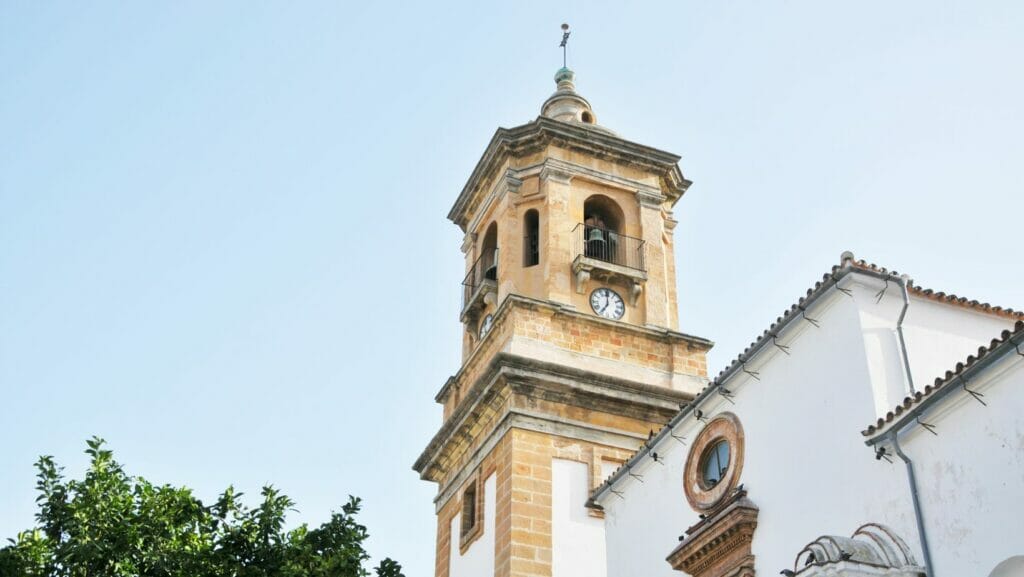
The city’s main temple, in the Baroque style. Work began in 1720, it was opened for worship in 1738 and it was not established until 1829, when the bell tower was completed. It has five warehouses, not the original three: the last two were added in the late 18th century.
What makes it unique: its tower houses a a monumental clock designed by George Graham in 1741. Watchmaking experts classify it as one of the largest and most accurate in the world in its category. It is possible to go up the tower, and the views of Algeciras from up there make the climb worthwhile.
Another point: to erect the tower ashlars from the medieval walls were reused, and in them one can still see the stonemason’s marks, the same ones found at the city’s archaeological sites.
It is dedicated to the Our Lady of La Palma, patron saint of Algeciras since 1344, the year in which Alfonso XI conquered the city on Palm Sunday.
In Plaza Alta itself, and far less visited than its neighbour, is the «Little Chapel of Europe». It is Baroque, the work of Torcuato Cayón, begun in 1695 and completed in 1769.
It is more important than it seems: is considered to be the a cornerstone of modern Algeciras, the point around which the town was rebuilt. It is Listed as a Site of Cultural Interest since 1981.
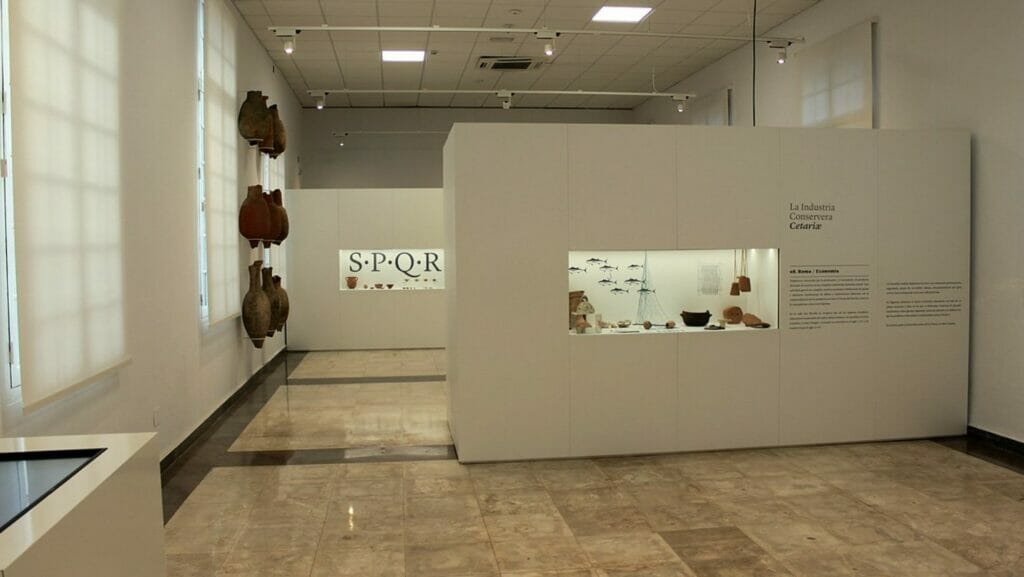
Take a journey through the city’s history from the Phoenician period from the past to the present day, including the Al-Yazira Al-Hadra Islamic, which is the name from which «Algeciras» is derived, and the War of Independence.
Admission is free, and it’s a short visit that fits in well either before or after a stroll around the Plaza Alta. It’s a good idea to check the opening hours, as they are limited.
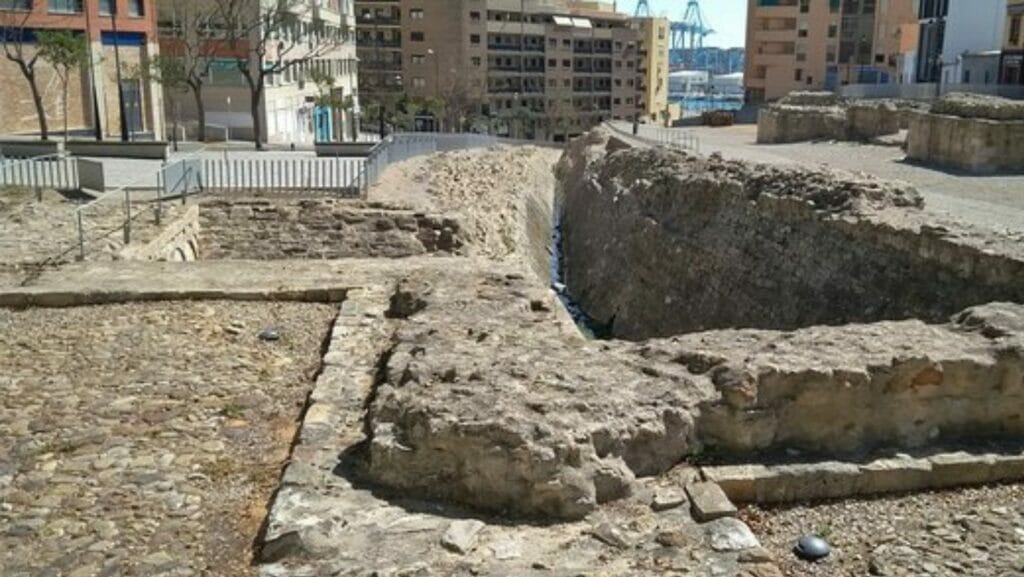
The most valuable remains of the city’s Islamic past: the defensive system built in the Merinid period, between the 13th and 14th centuries, when Algeciras was a key stronghold in the control of the Strait.
They form part of an archaeological park within the urban landscape and feature interpretation centre. It is the best way to understand why this city was fought over for centuries.
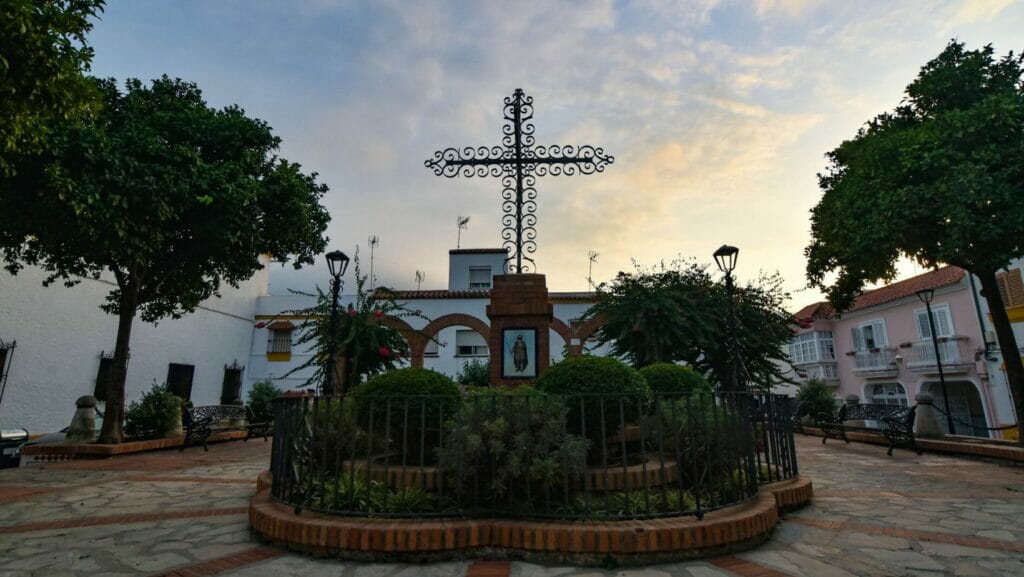
Narrow streets, low, whitewashed houses and flowerpots. But their appeal is not merely aesthetic: San Isidro was the first settlement established by the Spaniards expelled from Gibraltar by the English, in 1704. That is why Algeciras was revitalised after centuries of being deserted.
Nearby is the Chapel of the Holy Christ of the Alameda, dating from the 18th century, where the Spanish soldiers besieging Gibraltar used to pray and on whose walls those battles were depicted. Today it houses a museum of religious art.
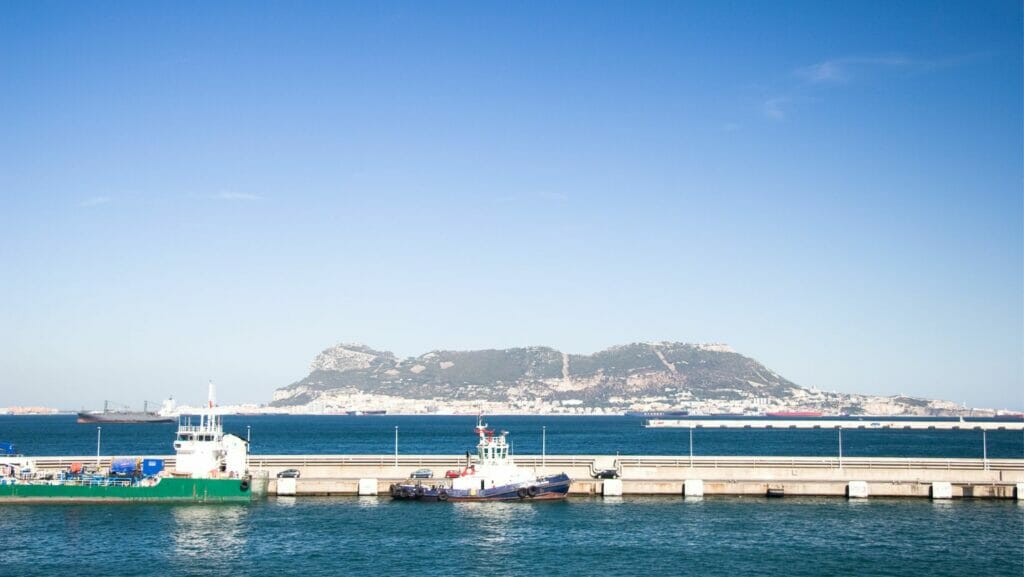
One of the Europe’s largest ports and the city’s driving force. Looking out over the bay, you can see the constant flow of ferries and container ships travelling between two continents, with the A jagged rock in the background, is the scene that best sums up Algeciras.
This is where the connections to Ceuta and Tangier. And as Gibraltar is right across the way, lots of people take the opportunity to visit it: you can what to see in Gibraltar in one day, how to climb the Rock y Ten interesting facts about Gibraltar.
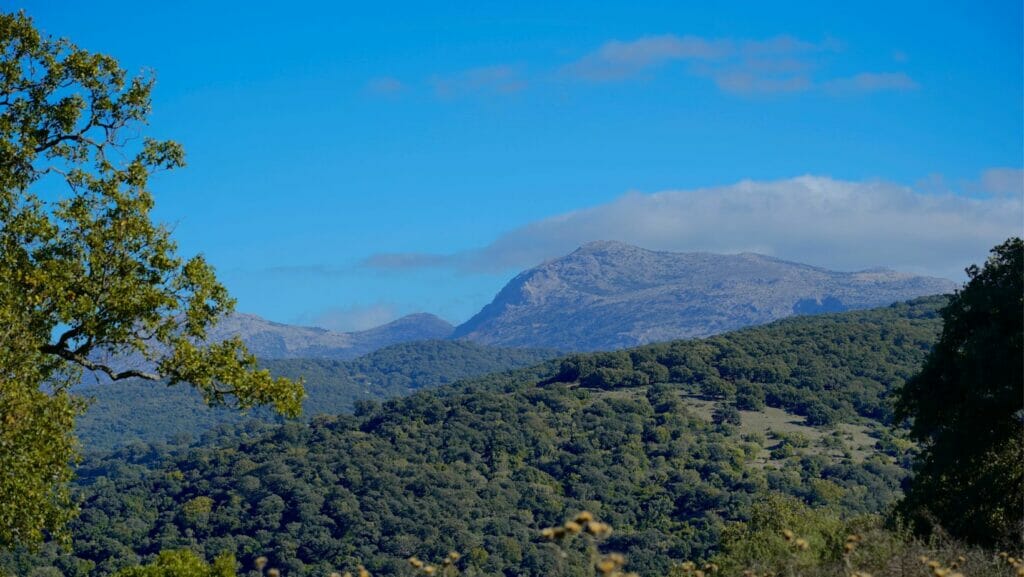
A few kilometres from the port, it begins the largest cork oak forest on the peninsula. Its deep valleys, known as «joints», they retain vegetation that has an almost tropical appearance, a legacy of much older forests.
Two routes to get you started:
Don’t confuse it with the Estrecho Natural Park, which protects the coastal strip towards Tarifa and is home to the cliff-top trails. Los Alcornocales is an inland, mountainous area.
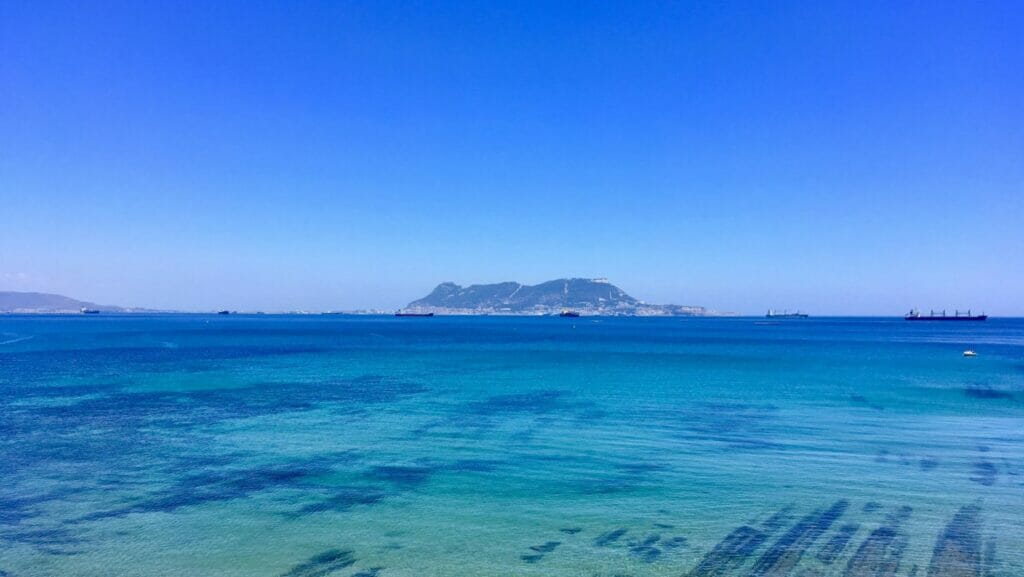
El Rinconcillo, to the north, is the largest and has the most family-friendly atmosphere, with good views of the bay. Getares, to the south, is more secluded and sheltered, with beach bars and a wide strip of sand.
They aren’t the best beaches in the county — that’s what the ones in Tariff—, but they’re fine for an afternoon and are just a stone’s throw from the city centre.

The Algeciras water park, on Avenida Virgen de la Palma, is the perfect choice if you’re travelling with children in the summer. It features water slides, a wave pool and a dedicated area for little ones.
Open every day from 11.30 am to 7.30 pm. It’s best to book online, and please bear in mind that food and ticket office charges are payable separately.

The sea rules here: almadraba tuna, cuttlefish, prawns and fish from the Strait. These two places have been checked – their location and closing days included – which is exactly what’s needed:
If you’re out for tapas without a set plan, the areas with the widest choice are the streets around Plaza Alta and the area around the Food Market, designed by the engineer Eduardo Torroja, whose concrete roof was a technical innovation in its day and remains a benchmark in Spanish engineering.
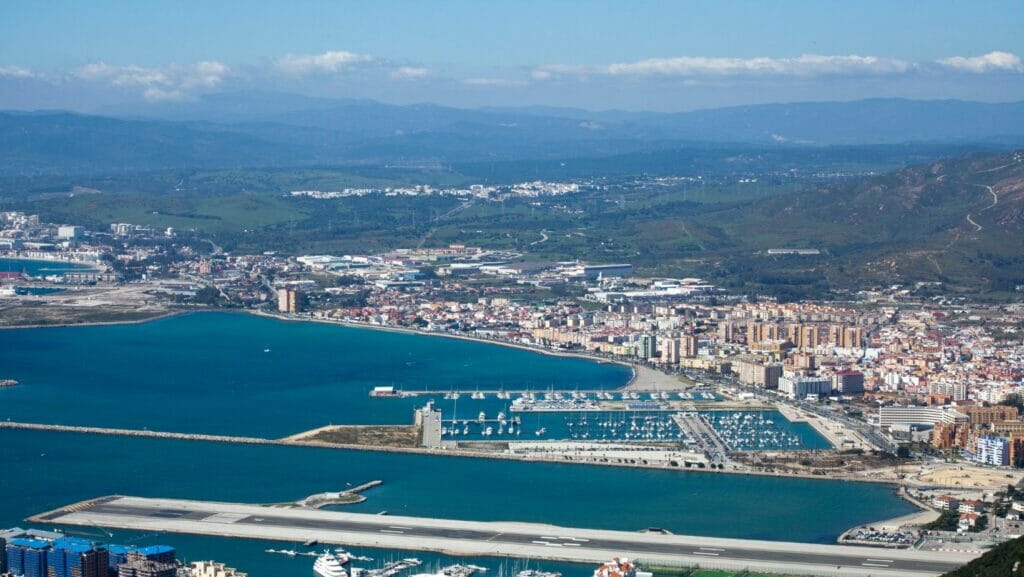
We are a local operator based in Málaga with over 50 years’ experience organising trips around Andalusia, and Algeciras is an unbeatable base thanks to its location on the Strait:
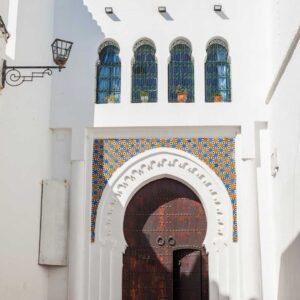
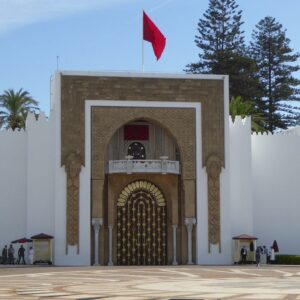
Crossing into Morocco. It’s the most popular option: setting foot on another continent and returning the same day, without having to worry about the ferry or any paperwork.
Gibraltar, which is literally opposite, with the option to add the whale watching in the Strait.
Start at the Plaza Alta, with the Church of Nuestra Señora de la Palma and the Chapel of Europe, and climb the clock tower if it’s open. Continue on to the Municipal Museum, which is free, and the Merinid Walls. Then head down to the harbour to see the bay with Gibraltar in the background, and finish off with a stroll through the San Isidro neighbourhood or along El Rinconcillo beach.
Yes, although it’s best to keep your expectations in check: it’s a port city, not a destination known for its monuments. What it does offer is a pleasant historic centre with some unique features, such as the 1741 clock on the Torre de la Palma, the best view of the Strait and the Rock, and an unbeatable location for crossing over to Morocco or exploring the Costa de la Luz.
A monumental clock designed by George Graham in 1741, which is housed in the church tower. Clock experts consider it to be one of the largest and most accurate of its kind in the world, and it is probably the most unique feature of Algeciras’s heritage. Visitors can climb the tower, from where they can enjoy the best views of the city.
Two tried-and-tested options in the city centre: Mesón La Venencia, on Calle Alfonso XI, for tapas and smaller portions, which is closed on Wednesdays; and Restaurante La Gaditana, on Calle Juan Ramón Jiménez, serving home-style cooking, which is closed on Saturdays and Sundays. For tapas without a booking, the best areas are around Plaza Alta and the area surrounding the Mercado de Abastos.
The most popular option is the crossing to Morocco, which allows you to visit Tangier or Tetouan in a day without having to worry about the ferry or the paperwork. Gibraltar, which lies on the other side of the bay, is also very easy to reach, as are whale-watching trips in the Strait and Tarifa, half an hour’s drive away via the N-340.
Because it was the first settlement established by the Spaniards expelled from Gibraltar by the English in 1704. It was this exile that repopulated Algeciras after centuries of virtual abandonment, and explains why the Chapel of Santo Cristo de la Alameda is located so close by – a place where the soldiers besieging the Rock used to pray, and on whose walls scenes of those battles are depicted.