Frigiliana It is 7 km from Nerja, at an altitude of 320 metres, and has the the best-preserved Moorish village in the Axarquía. It is Listed as a Historic and Artistic Site since 2014 and you can walk the whole length of it in two or three hours.
Here’s the full itinerary, and I’ll start with what really makes the visit a bit of a hassle: parking.
That is the real problem in Frigiliana, not the village. The streets in the old town are narrow, sloping and have restricted traffic, so you’ll need to leave your car down below.
And here’s a handy tip: If you manage to get a place up there, start with the Santo Cristo Street and head down towards the Plaza de las Tres Culturas. That way, you avoid the hill.
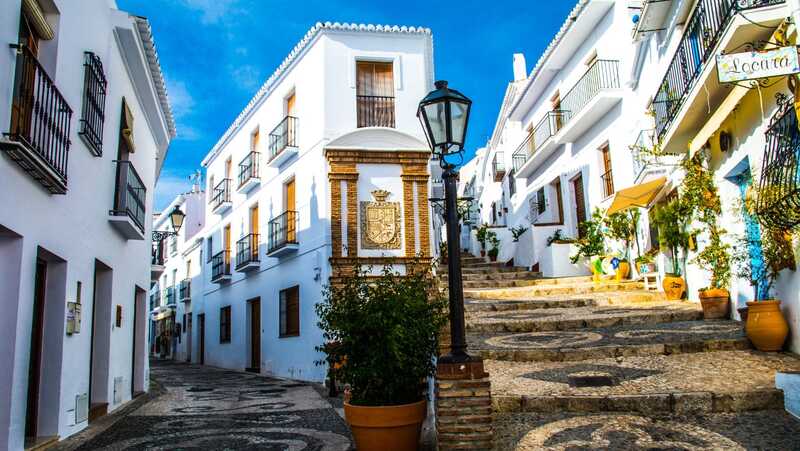
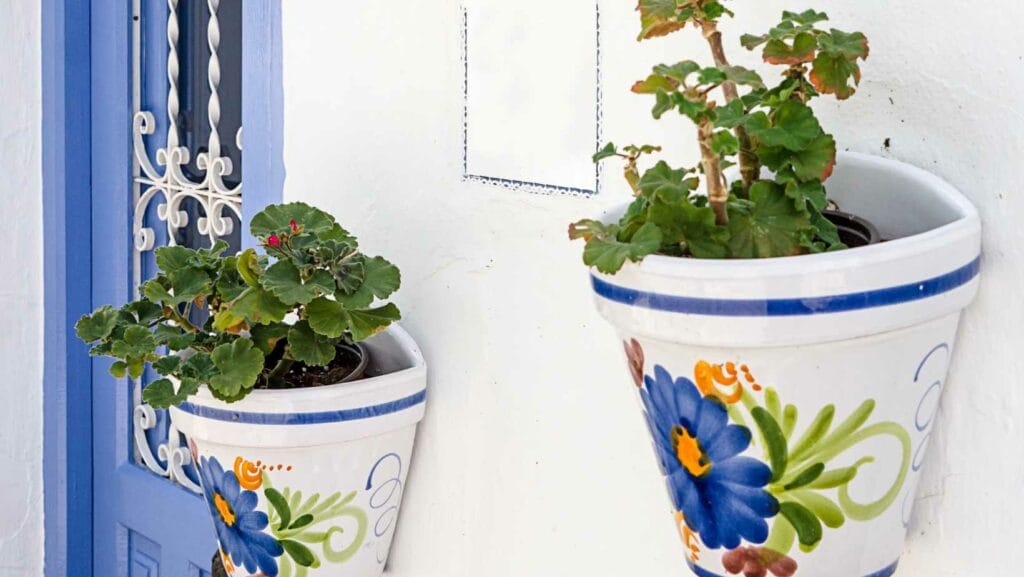
The upper part of the village and the main reason for visiting. It retains the Andalusian urban planning Unspoilt: sloping alleyways, arches, stairways and whitewashed houses with blue doors.
Have a look at the floor. The cobblestones are not merely decorative: they are pebbles arranged to form geometric patterns, a traditional local technique that is preserved street by street.
The most frequently depicted image of Frigiliana is the Hernando el Darra Street, that succession of white, sloping sections. But what works here is simply wandering aimlessly.
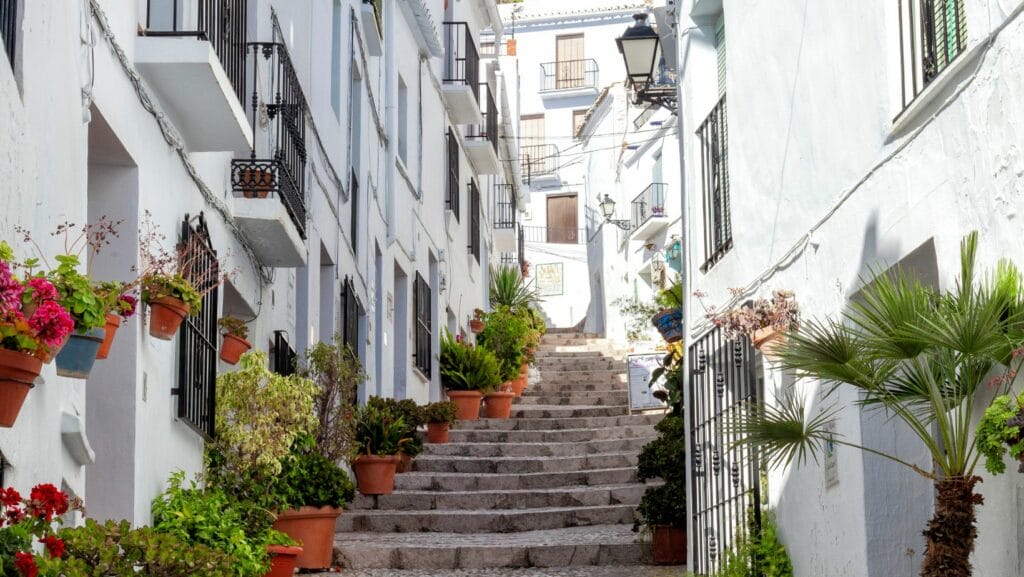
The most photographed spot, a narrow, stepped passageway lined with plant pots leading off from the Calle Real. There are terraces all around, so you can stop off.
Go first thing If you want it without any people around: after eleven, it’s impossible.
Almost everyone skips this one, and it’s just a stone’s throw from Garral: in the Inquisitor’s Alley.
It is made of marble, has three spouts, and on top there is a clay slab bearing the three symbols: the Christian cross, the Star of David and the crescent moon. It encapsulates the identity of the people within a single square metre.
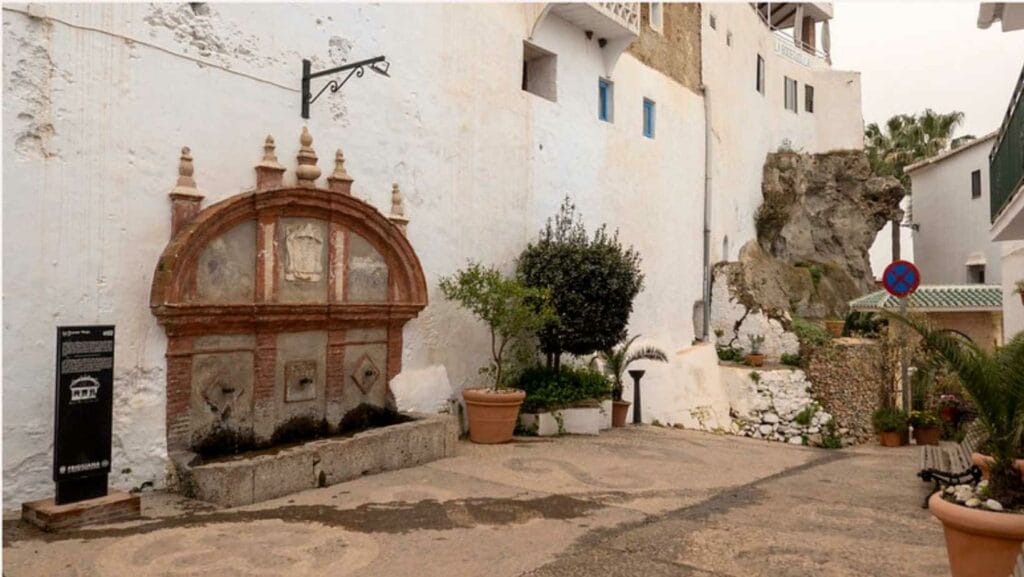
Commissioned in 1640 by Don Íñigo Manrique de Lara, the fifth Lord of Frigiliana and later the first Earl, whose coat of arms the crown. It has three taps and a drinking trough, as it was used by both the villagers and the animals.
And here’s an interesting fact: it was originally called «Fuente Nueva». Over the centuries, the name settled on ‘Fuente Vieja’, which is what it is known as today.
Don’t confuse it with the Royal Granaries, which are a different monument to the town centre: the old municipal granaries.

The Palace of the Counts of Frigiliana, from the end of the XVIth century, is home to the Nuestra Señora del Carmen Sugar Factory. And here is the most important fact about the village:
It is the only remaining cane honey factory in Europe. Not one of the few: the only one. And it’s been producing it since 1630.
Two details that make it even better:
How to see inside it: It is a working factory, so it is not open to visitors every day. Kick off Sugarcane Honey Day with free guided tours, in early May, coinciding with the Day of the Cross. It is the highlight of the year.
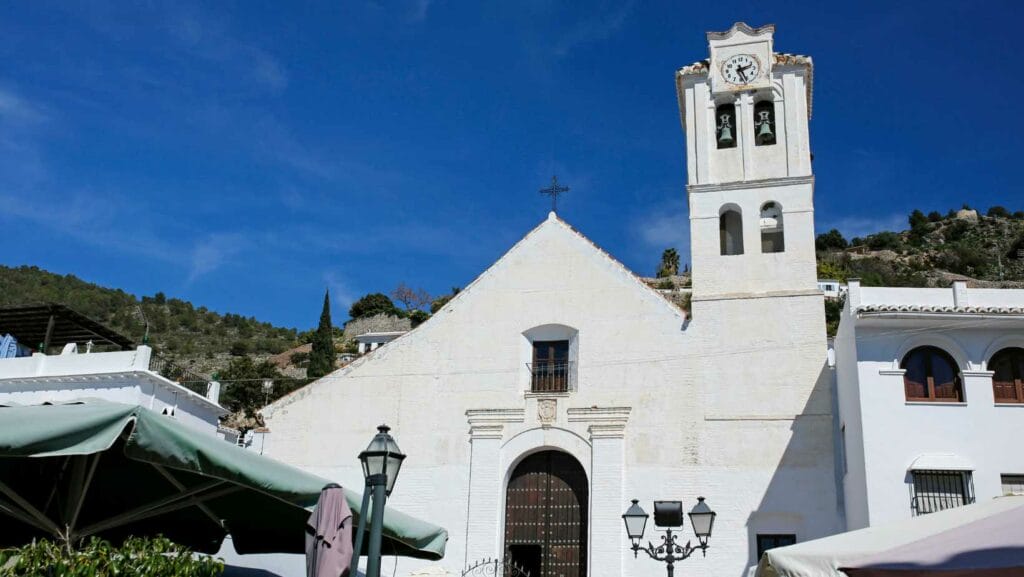
From 1676, a simple, whitewashed building on Calle Real. It marks the boundary between the lower part of the old town and the climb up to Barribarto, so it serves as a landmark to help you find your way. Opposite is a small square with a terrace.
The village’s open space, a tribute to the coexistence of Christians, Muslims and Jews. It serves as a viewpoint over the lower part of the village and is the natural meeting place.
It is also the main stage at the 3 Cultures Festival.
In the Cuesta del Apero, the building that was tool shed, barn and stable and today it is home to the tourist office, the library and an exhibition hall housing an ethnographic collection.
It’s the first logical stop: pick up a map, ask if the sugar mill is open, and then head up there.
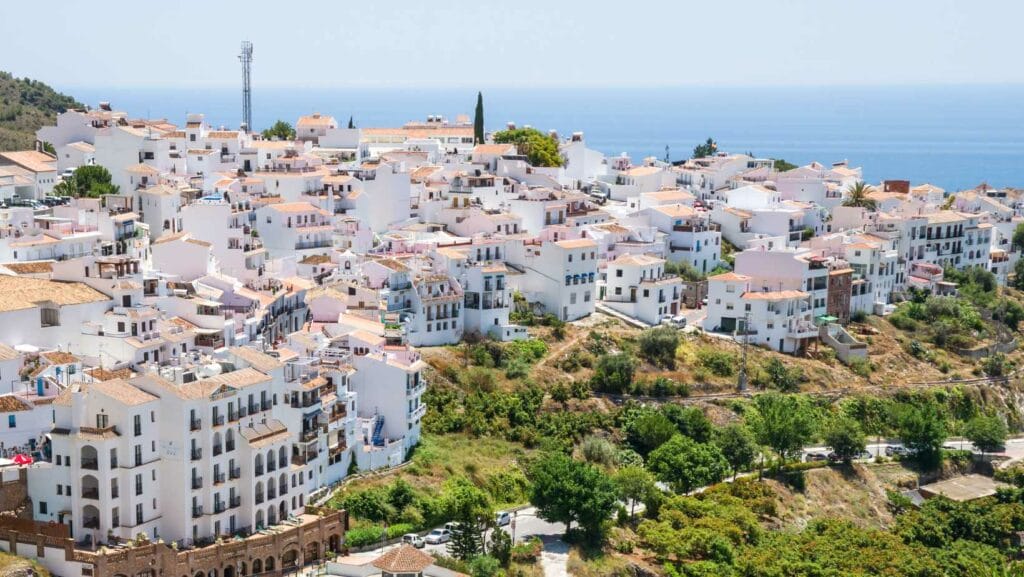
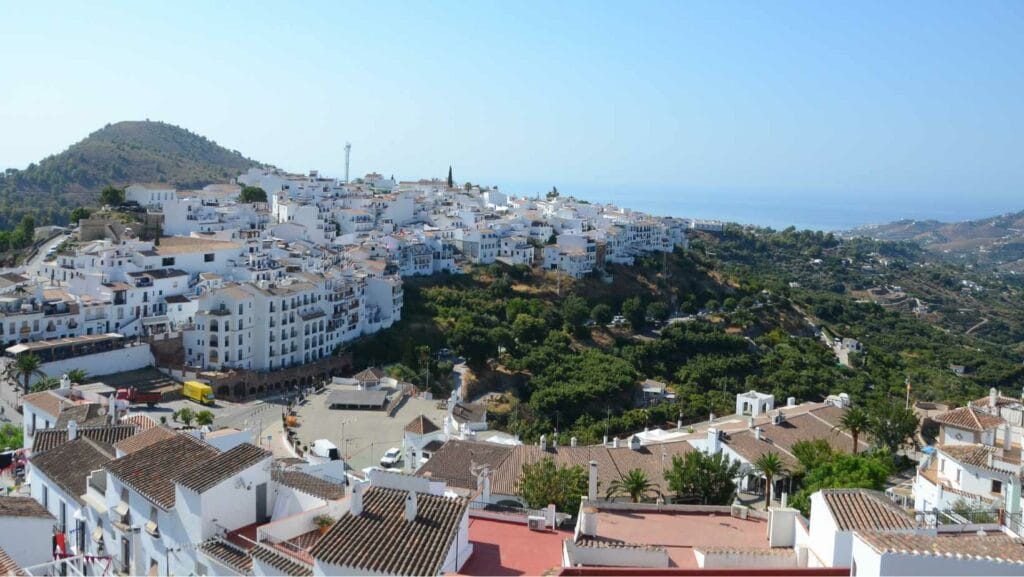
The Church viewing point offers the best view of the terraced town centre, and the Axarquía viewpoint It overlooks the valley and the Mediterranean. In Barribarto, there are also natural viewing points at the end of several streets.
At dusk That’s when the limestone turns golden. It’s the best time of day here.
The The Rock of Frigiliana, or El Fuerte, is the hill where in 1569 the final battle of the Moorish rebellion in the Axarquía. This is the story the village tells: following their defeat, the Moorish population was expelled.
Notice for walkers: the climb to El Fuerte peak It’s no walk in the park. It has about 600 metres of cumulative elevation gain and it’s for experienced paddlers. If you’re looking for something gentler, the River Higuerón is a better choice.
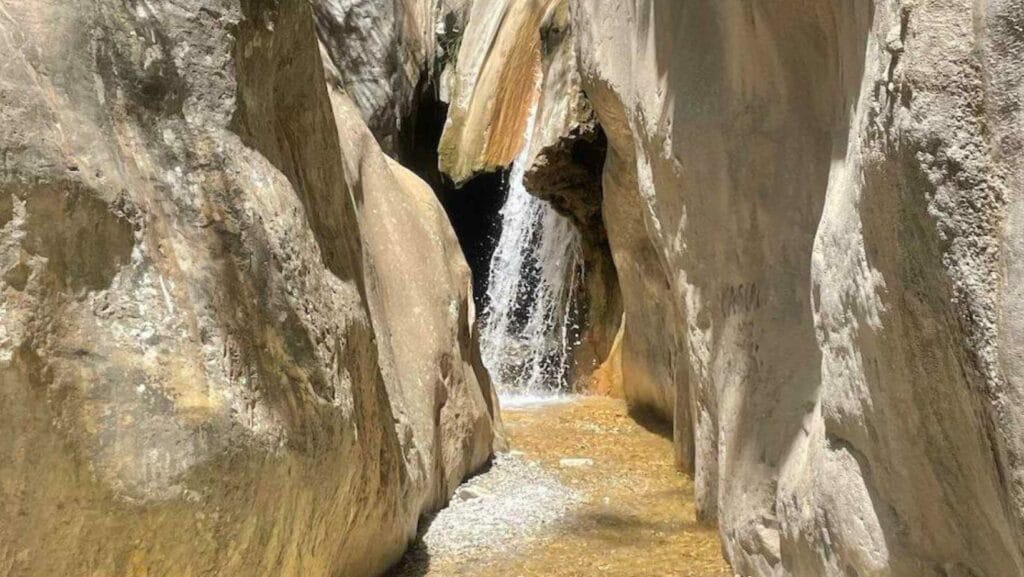
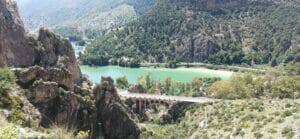
The entire area lies within the Sierras de Tejeda, Almijara y Alhama Natural Park. The route of the Higuerón River It’s the ideal spot for a family outing: shade, water and gentle slopes.
Other options include The Pichirri Cubs. And the Cruz de Pinto, at the top, bears its inscription: it was erected in 1643 the sailor Francisco de Pinto In fulfilment of a promise, after being rescued from a storm off the coast of Nerja, he vowed to erect a cross on the peak most visible from the sea.
About 7 km along a dirt track, the village they call «The Village of the Lost». It was abandoned in 1948 due to the post-war crackdown on the Maquis, and it stood empty for half a century.
A local family rebuilt it, brick by brick, in the late 1990s. Today it is inhabited and has a couple of restaurants serving traditional cuisine. It can be reached by car — the track is unpaved for the entire journey — or on foot from Frigiliana.
Axárca cuisine with Moorish influences: lamb with garlic, migas, gazpacho and anything else that contains it cane honey, which is used here in savoury dishes as well as sweet ones, served over fried aubergines.
In the shops in the town centre, you’ll find hand-painted ceramics, handmade textiles and soaps, as well as sugarcane honey from the Ingenio, which is the obvious souvenir.
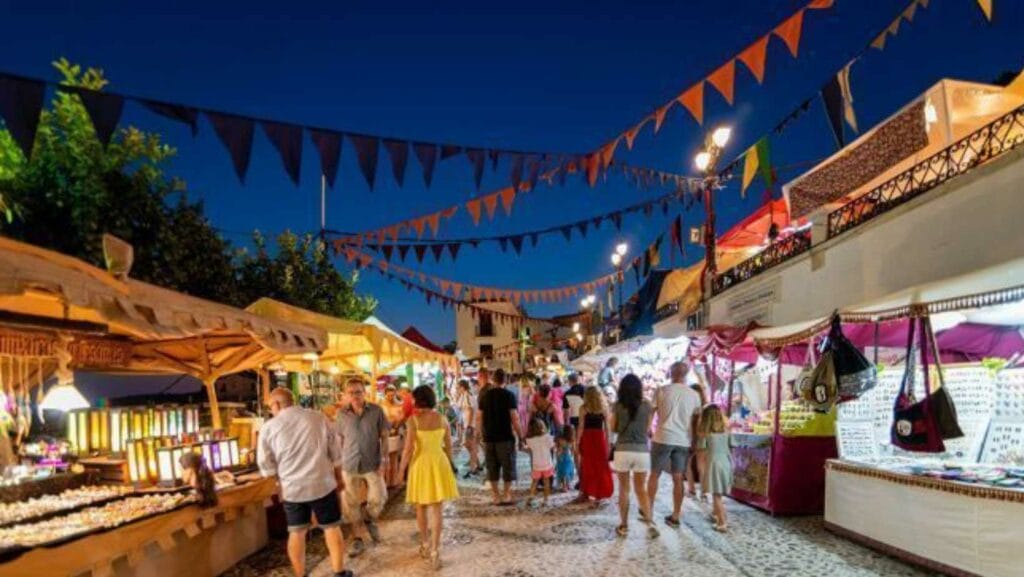
The village’s big event: four days, from Thursday to Sunday, on the last weekend in August, just after the Málaga Fair. In 2026, it will take place from 27 to 30 August.
There’s music, a craft market, workshops, street theatre, fire shows and a tapas tour with the village pubs. Admission is free, although meals and the odd concert are paid for.
If you’re going on those days: The town is getting busier, and parking areas are being set up on the road to Nerja and Access to the site is on foot. Book your accommodation months in advance. We’ll tell you all about it in the 3 Cultures Festival in Frigiliana.
The other big festival is the San Antonio de Padua Fair, the skipper, at around 13 June, with a pilgrimage.
You can see all of Frigiliana in half a day, so it makes sense to add something else to the itinerary:
And to continue exploring the region, the villages of the Axarquía y the White Villages Route.
We are a local tour operator based in Málaga with over 50 years’ experience organising trips around Andalusia. If you don’t want to drive on mountain roads or hunt for a parking space:
The town centre is pedestrianised and has restricted traffic, so you’ll need to leave your car further down. There are parking areas on Avenida Carlos Cano and on an open space next to the sports centre, as well as a municipal covered car park. During peak season, it’s best to arrive before 10.00, as it’s difficult to find a space by mid-morning.
The Palace of the Counts, a late 16th-century building that houses the Nuestra Señora del Carmen factory, the only remaining cane honey factory in Europe. It has been in production since 1630 and still uses machinery dating from 1909, powered by wood-fired boilers. As it is a working factory, it is not open to visitors every day, but it offers free guided tours on Cane Honey Day, in early May.
The last weekend in August, from Thursday to Sunday. In 2026, it will take place from 27 to 30 August. It’s a four-day event featuring music, a craft market, workshops, street theatre and a tapas trail, and entry is free. The town gets absolutely packed, so it’s best to book accommodation months in advance and bear in mind that the festival site can only be reached on foot.
It takes two or three hours to walk the entire route through the old town: Barribarto, Callejón el Garral, the Fuente de las Tres Culturas, the Fuente Vieja, the Ingenio, the Church of San Antonio, the Plaza de las Tres Culturas and the viewpoints. If you have the whole day, you can add a walk along the River Higuerón or a trip to the hamlet of El Acebuchal.
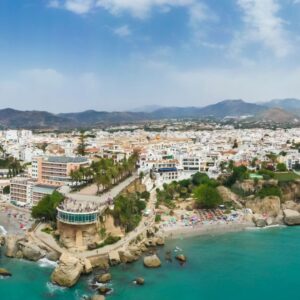
No, it is a village in the interior, situated at an altitude of 320 metres in the Almijara mountain range. The nearest beaches are those at Nerja, about 7 kilometres away, and from there the coastline stretches towards Maro and La Herradura. Many visitors combine a morning in the village with an afternoon at the beach.
A village some 7 kilometres from Frigiliana, known as the ‘village of the lost’. It was abandoned in 1948 due to the post-war crackdown on the maquis and remained deserted for half a century, until a local family rebuilt it house by house in the late 1990s. Today it is inhabited and has a couple of restaurants serving traditional cuisine. It can be reached via a dirt track, either by car or on foot.