The San Agustín Street It is a narrow, pedestrianised street in the historic centre of Málaga that connects the area around the Cathedral leading to Plaza de la Merced. Despite its short length, it is home to some of the city’s most significant buildings and forms part of the usual itinerary for visitors to the old town.
Today it is best known for being home to the Picasso Museum Malaga, housed in the Buenavista Palace, but its significance extends far beyond that: within just a few metres, Roman Málaga, the post-conquest Mudejar quarter, the palaces of the Christian knights and the convent that eventually gave it its name all coexist.
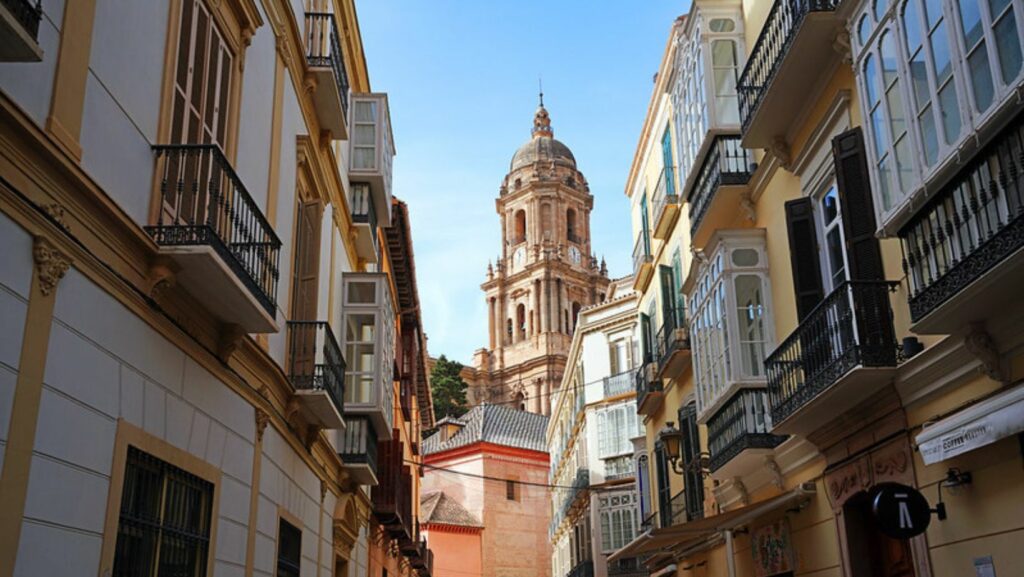
The street’s layout has its roots in ancient Málaga. The area was inhabited in Roman times, when the city was called Malacca, and later became part of the Muslim medina, establishing itself as an administrative and commercial centre. The network of narrow, winding streets that can still be seen in this area is largely a reflection of that urban layout.
After the Christian conquest of 1487, the street came to be known as «Calle de los Caballeros», because numerous Christian knights settled there and built their palaces on top of the old Muslim buildings. It is this name that explains the stately appearance that several of its façades still retain.
This same area was also home to the Morería, the area set aside for the Mudejar noble families who remained in the city after the conquest — it is said there were well over twenty — with their own baths, mosque and bakery. This little-known detail explains the continuity of the Al-Andalus urban fabric in this corner of the city centre.
The current name was adopted in XVIth century, when a Augustinian convent. Over time, the confiscations and urban reforms transformed the use of many of these properties, which passed from religious hands to civil and, in some cases, cultural uses. The street even came to house Málaga City Council for a few years.
The Picasso Museum Malaga holds the Buenavista Palace, a building in the XVIth century in the Renaissance style with Mudejar elements, in the 8 San Agustín Street. The museum opened in 2003 and houses a collection dedicated to the work of Pablo Picasso, who was born in Málaga, featuring paintings, sculptures, drawings, ceramics and prints from different periods of his career.
There is an additional reason to visit: during the palace’s refurbishment work, the following were discovered Phoenician, Roman and Nasrid archaeological remains in the basement, which can now be visited within the museum itself. The visit turns out to be a dual journey: through Picasso’s work and through the city’s material history.
If you want to complete the Picasso tour, the Picasso's Birthplace It’s just a few minutes away, in Plaza de la Merced.
It is the church after which the street is named. This church, the XVIth century, originally part of the Augustinian convent, is a fine example of Andalusian religious architecture and often goes unnoticed by many visitors who head straight for the museum. It’s well worth a look.
As well as the Buenavista Palace, the street and its surroundings still feature stately homes and historic façades that reflect that aristocratic past. In the number 1 is the María Auxiliadora Clinic, better known to the people of Málaga as Gálvez Clinic, a long-established institution in the city.
The immediate surroundings round off the walk: the Church of St James, one of the oldest in Málaga, is just a few metres away, and the cobbled alleyways leading off San Agustín are home to cafés, craft shops and outdoor terraces.
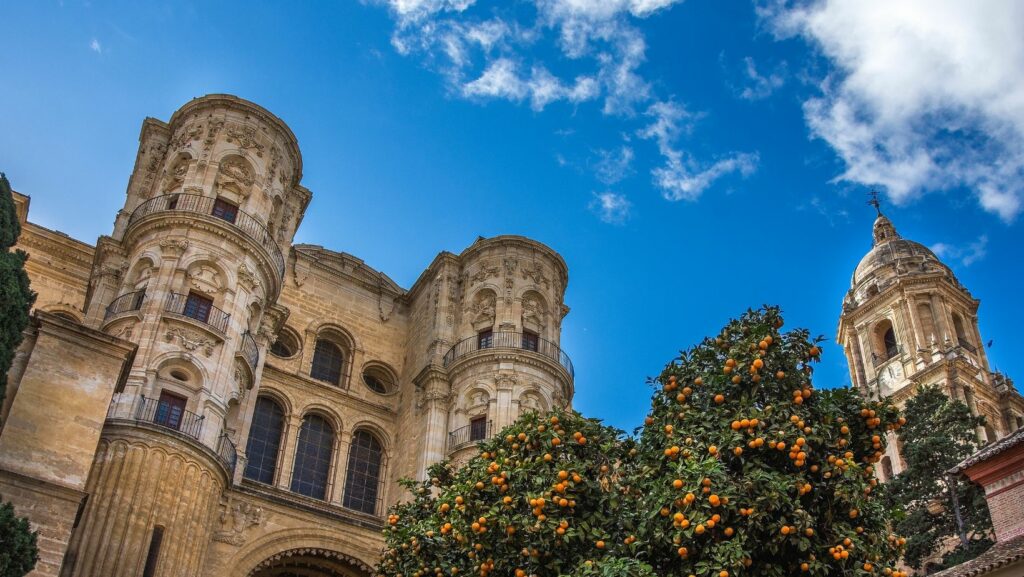
Calle San Agustín is right in the heart of the historic centre, in a pedestrianised area, so it is not accessible by private car. It’s easy to get there:
Its location, between the Cathedral and the Roman Theatre, makes it a regular haunt for both locals and visitors alike. And during major festivals, such as Easter or the Malaga Fair, the street comes alive with processions and music.
It’s right in the heart of the old town, so it’s within easy reach of almost everything:
To plan the full route, you can check the must-see sights in Málaga, and if you’re interested in a museum tour, the city has a remarkable selection, which we cover in our guide to free museums in Málaga.
If you’re spending a few days in Málaga and want to explore the surrounding area, there are day trips from the city to destinations steeped in history, with collection point at Avenida Andalucía 10, just a short walk from the town centre.
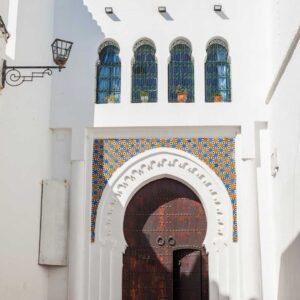
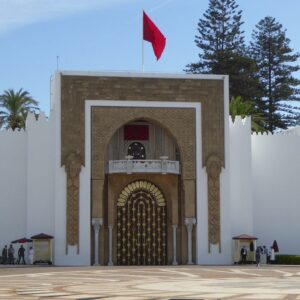
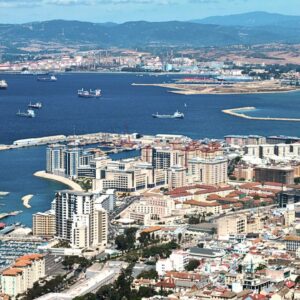
The excursion to Gibraltar It allows you to explore this British enclave, climb the Rock and see its famous macaques. And if you’d rather cross the Strait, Tetuan y Tangier They are the gateway to Moroccan culture: in Tetouan, with its medina designated a World Heritage Site, and in Tangier, with its souks and cuisine. All include coach transport and a tour guide.
Calle San Agustín is home to the Picasso Museum in Málaga, housed in the Palacio de Buenavista, a 16th-century Renaissance building, and the Church of San Agustín, from which the street takes its name. It also features stately homes and historic façades, and lies just a few metres from the Cathedral and the Church of Santiago, right in the heart of the historic centre.
The Picasso Museum in Málaga is located at 8 Calle San Agustín, in the historic centre. It is housed in the Buenavista Palace and its main entrance is on this street, just a few minutes’ walk from the Cathedral and the Plaza de la Merced. In the basement, you can also see archaeological remains from the Phoenician, Roman and Nasrid periods.
It owes its name to the Augustinian convent founded here in the 16th century, of which the Church of San Agustín still stands. Before that, following the Christian conquest of 1487, the street was known as Calle de los Caballeros, because numerous Christian knights built their palaces here on the site of the former Muslim buildings.
It is a pedestrian area and can be reached on foot from anywhere in the old town: from Calle Marqués de Larios, simply head towards the Cathedral and continue for a few metres. By public transport, several city bus routes stop near the Alameda Principal and Calle Molina Lario, just a short walk away.
Nearby are the Cathedral of the Incarnation, known as ‘La Manquita’, Picasso’s birthplace in the Plaza de la Merced, the Roman Theatre, the Alcazaba, the Church of Santiago and Calle Marqués de Larios. Its central location means you can combine a visit here with a tour of the main monuments in the old town in a single walk.