To understand Málaga’s cuisine, one must look out to the sea and to the vegetable gardens at the same time. On the one hand, there is the coastal seafaring tradition, with fish grilled over charcoal or fried in olive oil; on the other, there are the hearty stews from inland areas, originating from the Montes de Málaga and the Antequera region.
Almost all of these dishes originated as meals for fishermen or day labourers, made from whatever was to hand, and over time they have become a hallmark of the region. Here are the Twelve traditional dishes from Málaga what’s worth trying, what they’re like, where they come from and when they’re at their best.
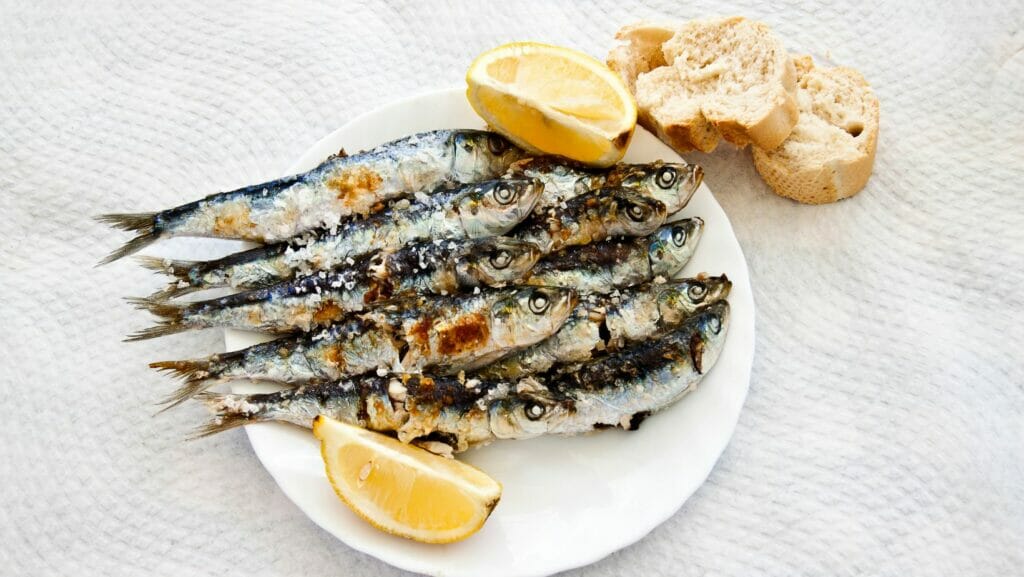
The province’s most iconic dish. The sardines are threaded onto a cane and are stuck into the sand at an angle next to a boat laden with firewood, so that they are roasted by the heat radiating from the embers rather than directly over the fire. They remain juicy on the inside and smoky on the outside, and are eaten with your hands, with bread and without cutlery.
When: The rules that everyone in Málaga follows are the months without an 'r' —May, June, July and August—, when the sardines are at their fattest. Outside this period, the espeto is still available, but the fish is drier.
Where: at the beach bars in the old fishing districts, El Palo y Pedregalejo, where the chef works in full view. Combine that with the sunset and you’ve got the perfect evening: we’ve got some ideas for you at The best sunsets in Málaga.
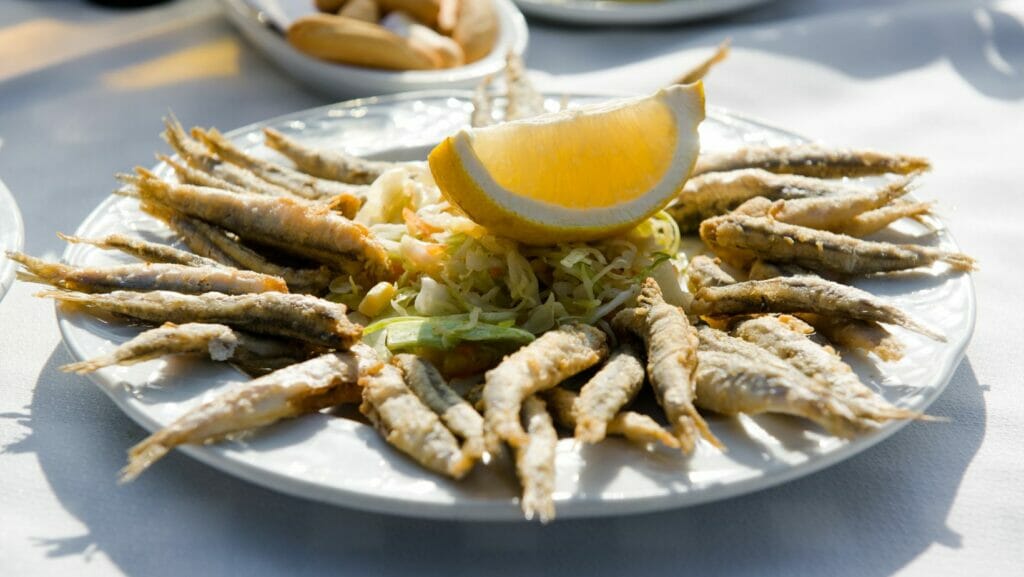
The Málaga-style fried platter combines the following on a single tray anchovies, squid, baby squid, red mullet, young squid and red seabream, sometimes with a slice of dogfish. The secret lies in the batter and very hot olive oil: the fish comes out crispy on the outside, tender on the inside and not at all greasy.
It’s meant to be shared, eaten fresh — waiting for it to go off ruins it — and seasoned only with lemon. It’s the starting point for almost any meal on the coast.
The anchovy is so closely associated with the city that the people of Málaga are known as «boquerones». The one in Málaga Bay has its own name: the Victorian anchovy, smaller and finer than that found in other waters.
It can be prepared in two ways. In vinegar, marinated in garlic and parsley and served cold, is one of the most popular tapas in the city centre. Fried, dusted in flour and often arranged with their tails joined together to form a fan shape, it is eaten in a single mouthful. Both versions stem from the same idea: there were so many fresh anchovies that they had to be eaten or preserved quickly.
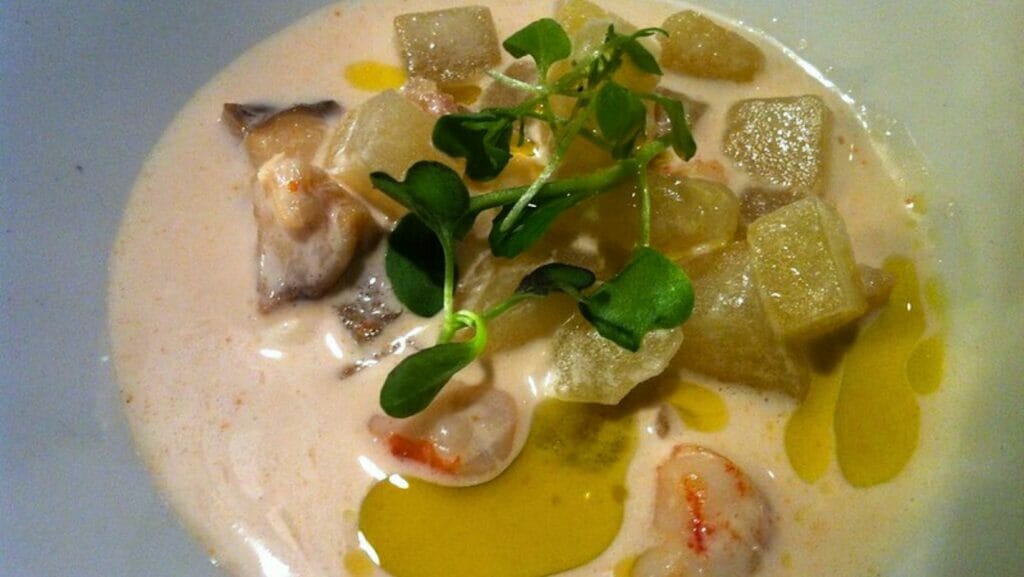
Don’t be misled by the name: Gazpachuelo is served hot. It is a fish stock soup thickened with a mayonnaise or egg emulsion, with a dash of vinegar or lemon juice to give it its characteristic tang. It contains boiled potato and pieces of white fish, usually hake, and has a creamy texture that is nothing like that of cold gazpacho.
It originated as a dish made by fishermen, who used the broth and unsold fish to prepare something nutritious and inexpensive. Today it is one of the most highly regarded dishes of Málaga’s cuisine and is eaten mainly in winter.
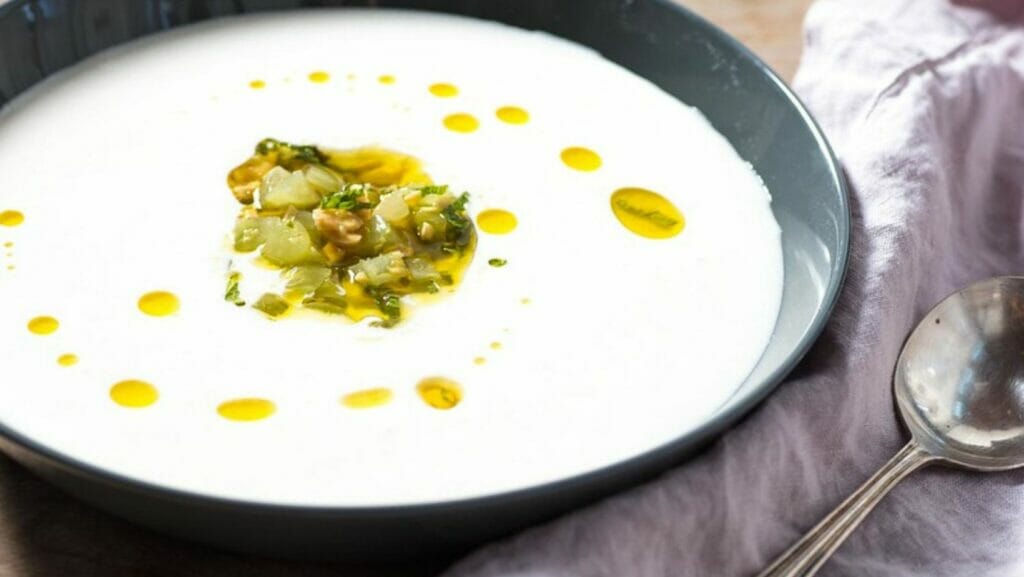
Cold soup made from raw almonds, garlic, bread, olive oil, water and vinegar, blended until it forms a smooth, white cream. It is served very cold and topped with Muscat grapes, which provide a sweet contrast to the sharpness of the garlic. Some people serve it with melon.
It has Andalusian roots and before the tomato gazpacho, because tomatoes did not reach Europe until later. It represents the cuisine of the drylands: with no irrigated vegetable gardens, just what the almond trees provided. The most famous one in the province is the Almáchar ajoblanco, in the Axarquía, where a food festival is held in its honour every year.
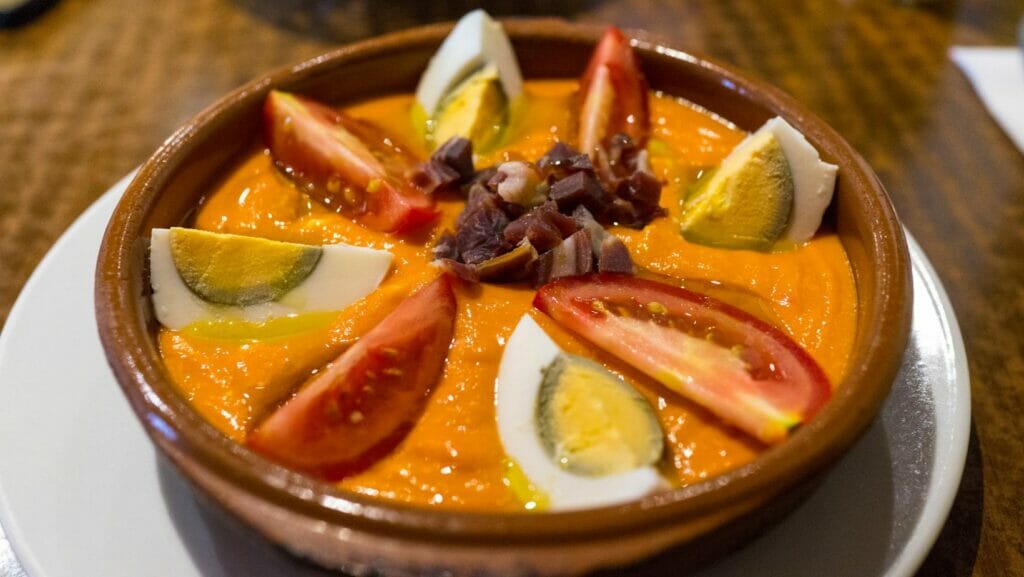
Chilled cream of ripe tomato, bread, garlic, green pepper, olive oil and salt, which is thicker and heartier than salmorejo. It is garnished with a hard-boiled egg and chopped ham, and depending on the restaurant, also with tuna, cod or orange.
It comes from Antequera, in the interior of the province, where it was a country dish: it was filling and made good use of stale bread. Its thickness means it can almost be eaten as a meal in its own right on the hottest days.
The ‘plato de los montes’, or ‘mountain dish’, is the opposite of all of the above: pork loin in lard, chorizo, black pudding, chips, egg and fried peppers, all in one serving. A winter meal, designed to restore your strength.
The name comes from the sales of the Montes de Málaga, on the old road that wound its way up from the capital towards Colmenar and the inland villages. Mule drivers and travellers used to stop there, and the dish has remained a symbol of the cuisine of the inland region.
Also known as country-style salad, combines orange, desalted cod, boiled potato, spring onion, olives and hard-boiled egg, dressed with olive oil. What makes it special is the contrast between the sweetness of the orange and the slight saltiness of the cod.
It is a humble, traditional dish, linked to the province’s citrus fruit cultivation, and is mainly eaten in autumn and winter, when oranges are in season. It goes very well with a skewer of grilled fish.
A hearty stew with chickpeas, beans, vegetables such as chard or cardoon, and pork from Avío: bacon, black pudding, chorizo and ribs. It’s a hearty, slow-cooked dish – the sort of home-cooked winter food – and every part of the province has its own version.
It forms part of the family of Andalusian stews and shares its origins with ‘berza gitana’. It isn’t a dish you’ll find on a tourist menu: you’ll have to look for it in neighbourhood bars and roadside eateries.
The least well-known outside the province and the most commonplace within it. The ‘campero’ is a a round, flat bun, grilled on a griddle, usually filled with ham, cheese, chicken, lettuce, tomato and mayonnaise, and cut into four portions.
It’s a Malaga speciality, and there are places that specialise in nothing but this. It doesn’t feature on any haute cuisine lists, but it’s what people in Malaga eat in the late afternoon, after a day at the beach or on their way out for a night out.
Sweets are a staple of the Malaga table, not just for dessert. They are mainly made with Alexandrian Muscat and Pedro Ximénez, produce intense and aromatic wines, and are protected by the Málaga Designation of Origin.
They have been produced in the Axarquía and the Montes for centuries, and are served with both sweets and mature cheeses. In the capital, the Former Guard House, which has been open since 1840, still serves them in bulk straight from the barrels, keeping track of the bill with a piece of chalk on the counter. You can find the details in our guide to the best traditional wines from Málaga.
The borrachuelos They are the province’s sweet speciality: deep-fried pastries filled with angel hair or sweet potato, flavoured with sweet wine, aniseed and matalahúva, and coated in sugar or honey. They’re a Christmas treat, although they’re available for much of the year.
The oil cakes, thin and crispy, are made with olive oil, aniseed and sesame, and order a glass of muscatel to go with them. Both of these sweet treats are a direct legacy of Andalusian pastry-making.
Each category of dishes has its place, and mixing them up usually goes wrong:
If you want to fit the food tour in with the rest of your visit, you can what to see in Malaga in one day for a short day, What to see in Málaga in three days if you stay longer and free things to do in Málaga to finalise the budget and put it on the table.
And if you’re travelling by Augustthe Malaga Fair This is when it all takes to the streets, with the daytime fair in the town centre and the night-time fair at the fairground.
We are a local tour operator based in Málaga with over 50 years’ experience organising trips around Andalusia. These excursions give you plenty of time to enjoy a leisurely meal without having to worry about transport or parking:
Sardine skewers. The sardines are threaded onto a stick and stuck into the sand next to a boat laden with firewood, so that they are grilled by the heat radiating from the embers. They are eaten with your hands and with bread at the beach bars along the coast, and the best season for them is the months without an ‘r’ in their name: from May to August.
As well as espeto, Málaga-style fried seafood, Victorian-style anchovies in vinegar or fried, gazpachuelo, ajoblanco and porra antequerana. From the inland regions, the ‘plato de los montes’ and Málaga-style cabbage stew. To finish, a sweet Muscat wine served with ‘borrachuelos’ or olive oil cakes. And if you’re looking for something quick and very local, try the ‘campero’.
A hot fish stock soup thickened with a mayonnaise or egg emulsion, with a dash of vinegar or lemon juice. It contains boiled potato and white fish, usually hake. It originated as a humble dish for fishermen and, despite its name, has nothing to do with cold gazpacho: it is served hot and is eaten mainly in winter.
The Antequera-style porra is thicker and heartier; it contains green peppers as well as tomatoes, bread, garlic and oil, and is garnished with a hard-boiled egg and chopped ham, sometimes with tuna, cod or orange. Córdoba-style salmorejo is lighter, and its usual garnish is limited to egg and ham. Porra can be eaten almost as a meal in its own right.
From May to August – the so-called ‘months without an ‘r’’, when sardines are at their fattest. This is the rule everyone in Málaga follows. Outside this period, espeto is still served, but the fish tends to be drier and many beach bars replace it with other grilled fish.
A round, flat bun, grilled on a griddle, usually filled with ham, cheese, chicken, lettuce, tomato and mayonnaise, and served cut into four pieces. It is a local speciality, with specialist outlets in the city; it is little known outside the province and is a very common mid-afternoon snack.