Granada It has a historic centre that you can explore on foot and a monument that overshadows everything else. In one day, you can see the Alhambra, the Albaicín and the city centre; in two, you can visit the neighbourhoods and museums that lie outside the main area.
These are The 16 must-haves, and we’ll start with the one thing that could ruin your trip if you leave it until last.
Admission to the Nasrid Palaces is limited and allocated by time slot. It sells out weeks in advance during the high season.
If you turn up without a ticket, at best you’ll be able to see the Alcazaba and the Generalife, but not the palaces, which are the reason why people come to Granada. Book your accommodation before finalising the rest of your trip.
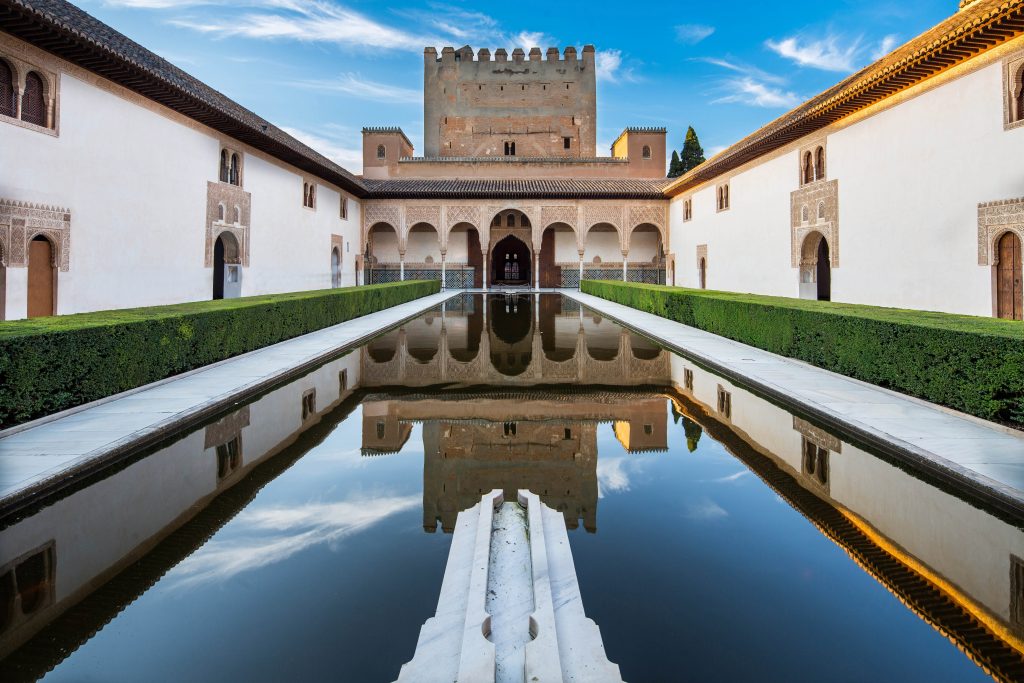
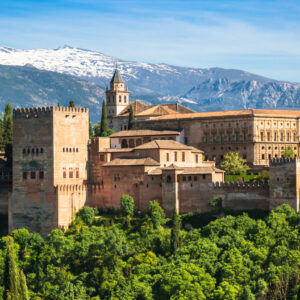
Spain’s most visited monument and A World Heritage Site since 1984. A complete palatine city on Sabika Hill, with more than 140,000 square metres.
They call her «La Roja» because of the colour of the earth from which it was built. There are three different types, which you need to be aware of when buying a ticket:
Be wary of the dates being circulated: The hill has been fortified since the 9th century, but The Alhambra that visitors see today dates from the Nasrid period and was built from the 13th century onwards, with Muhammad I.
To organise it, you need How to visit the Alhambra, how long does it take y its sources. And as for the journey itself, its legends y Eight interesting facts.
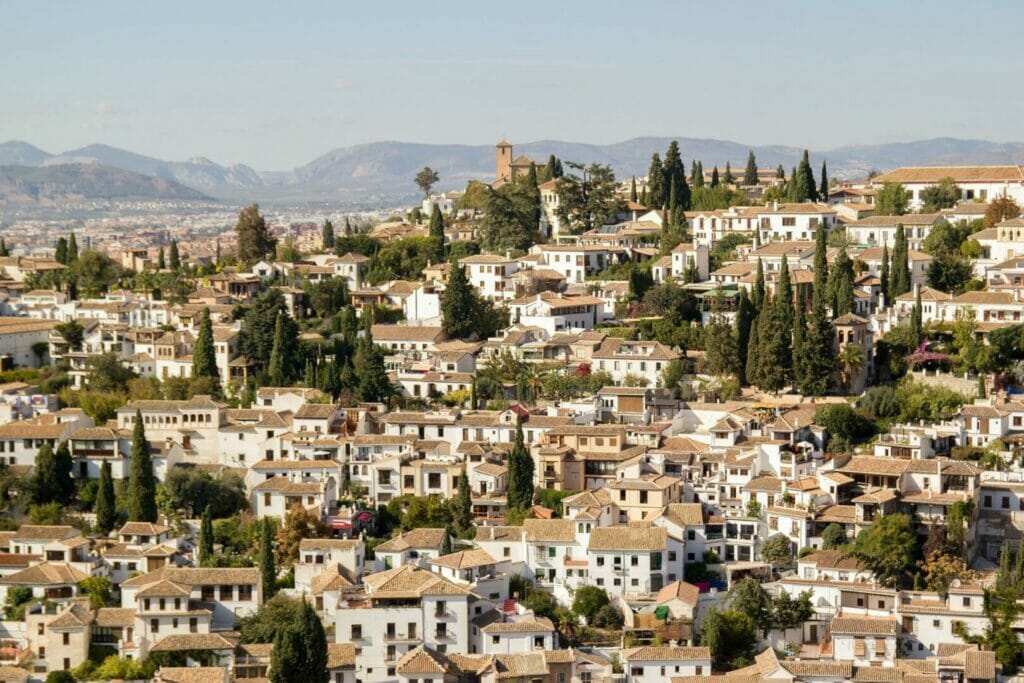
The oldest neighbourhood in the city, A World Heritage Site alongside the Alhambra. It retains its Nasrid layout: cul-de-sacs, cisterns, churches built on top of mosques and songs, those houses with vegetable gardens and stone walls that you can only just make out from the outside.
You can walk up from Plaza Nueva or take the C31 city bus, a minibus that takes you up the hill. And the best thing is to get lost: a map isn’t much use here.
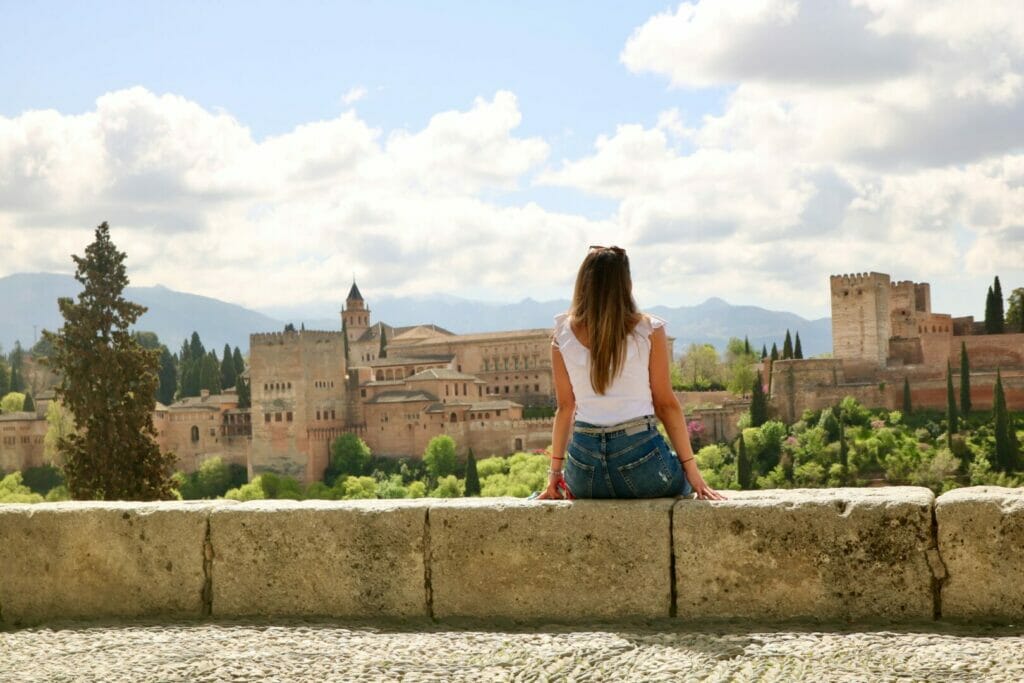
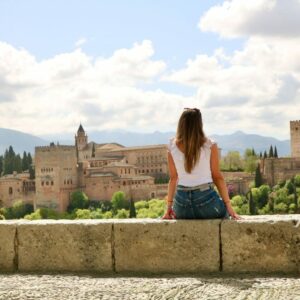
The postcard view of Granada: the entire Alhambra silhouetted against the Sierra Nevada. It is situated at the top of the Albaicín, in Plaza de San Nicolás.
At dusk, it fills up, so make sure you arrive in good time if you want a spot on the wall. If you find that impossible, the San Cristóbal viewpoint and the one from the Carvajales Square They offer similar views but with far fewer people.
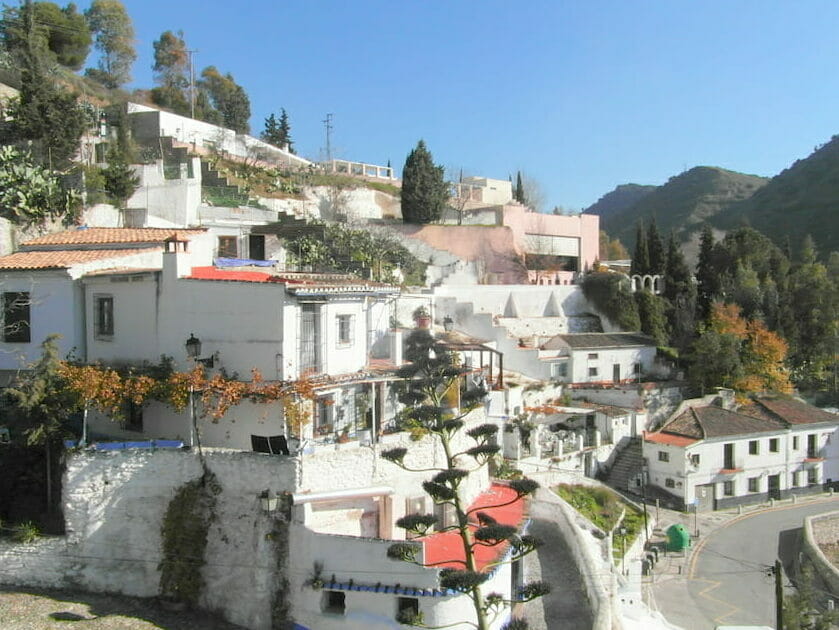
The Romani neighbourhood, on the hillside adjoining the Albaicín, with its cave houses carved into the mountain. It is the birthplace of the zambra, the style of flamenco typical of Granada, and several caves serve as tablaos.
The Sacromonte Caves Museum It explains what life was like there. And from the paths there, you can see the Alhambra from an angle that doesn’t feature in the guidebooks, with the Darro Valley stretching out below.
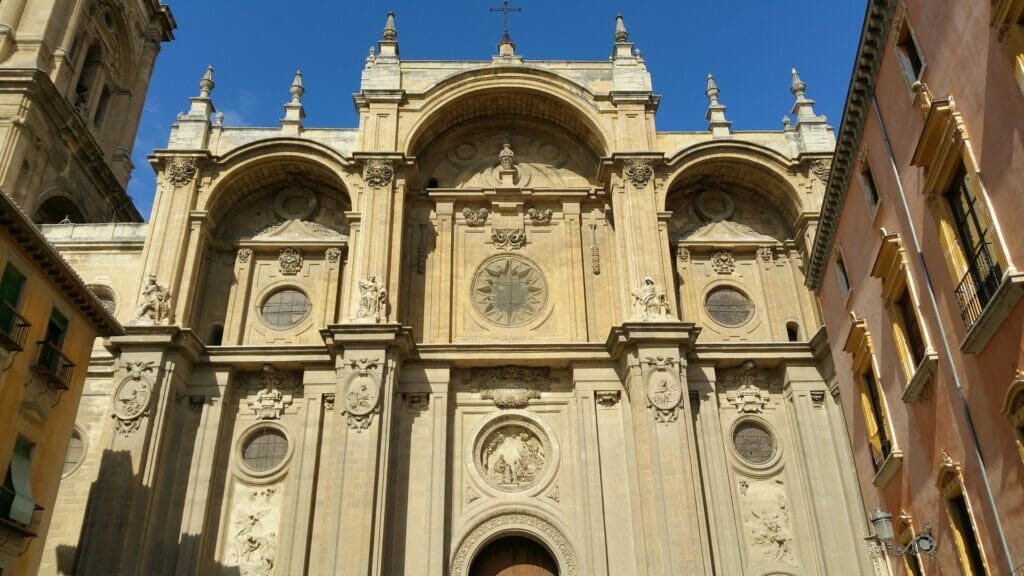
He got up from the XVIth century above the main mosque and is regarded as Spain’s first Renaissance cathedral. Its circular, towering chancel is the highlight.
Bear this in mind, as it’s often confused: the The Catholic Monarchs are not buried in the Cathedral, but in the Royal Chapel, which is an adjoining Gothic building with a separate entrance.
There are the marble tombs of Isabel and Fernando, and also those of his daughter Juana y Philip the Fair. Below, in the crypt, are the lead coffins, which are much more austere. The museum houses Isabel’s crown and sceptre, as well as her collection of Flemish paintings.
The the only Nasrid granary that has been preserved in its entirety across the whole peninsula. It is from the 14th century and served as a warehouse and inn for merchants: a central courtyard, three storeys of arcades and a façade with a horseshoe arch.
Admission is free and it’s just a stone’s throw from the Cathedral, so there’s no excuse.
The old silk market Nazarí, now a handful of narrow alleyways lined with craft shops next to the Cathedral. The original was destroyed by fire in 1843 and what you see today is a 19th-century reconstruction, but it gives a good idea of what the souk used to be like.
One of the the best-preserved Arab baths in Spain, on the Carrera del Darro. It is from the 11th century, that is to say prior to the Alhambra, and still retains the three rooms — cold, warm and hot — with vaults pierced by star-shaped lanterns.
Take a look at the columns: they are reused from earlier Roman and Visigothic buildings.
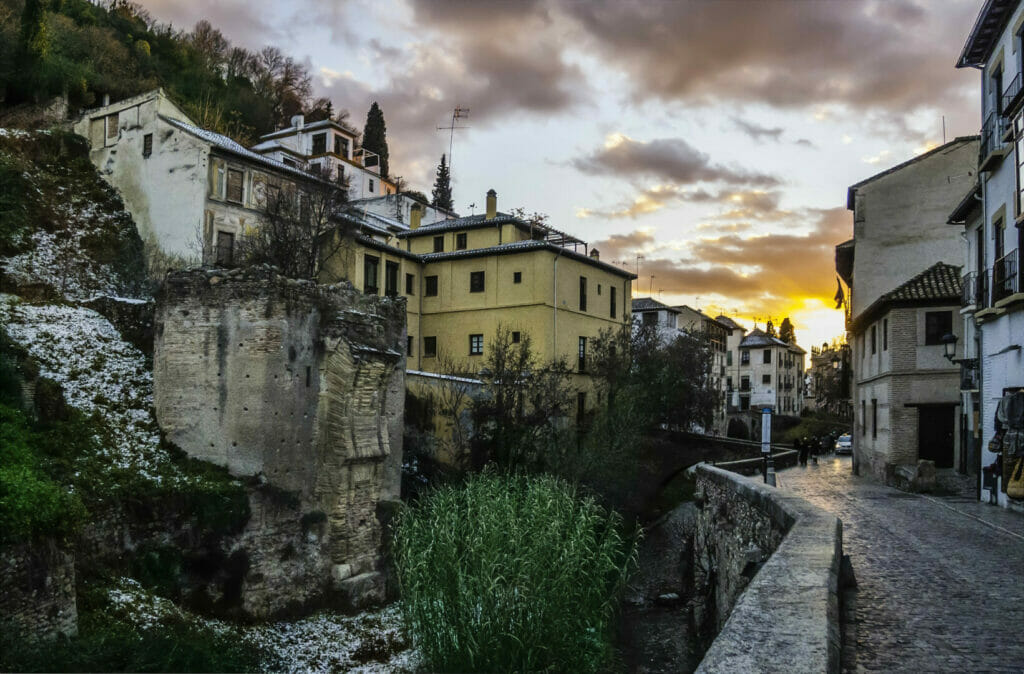
Probably the prettiest street in Granada. It runs alongside the Darro River from Plaza Nueva, past stately homes and stone bridges, until it leads to the Paseo de los Tristes, with the Alhambra right above it.
Its official name is Paseo del Padre Manjón, but nobody uses it: it’s called ‘de los Tristes’ because funeral processions used to pass through here on their way to the cemetery. Go at night, with the Alhambra lit up.
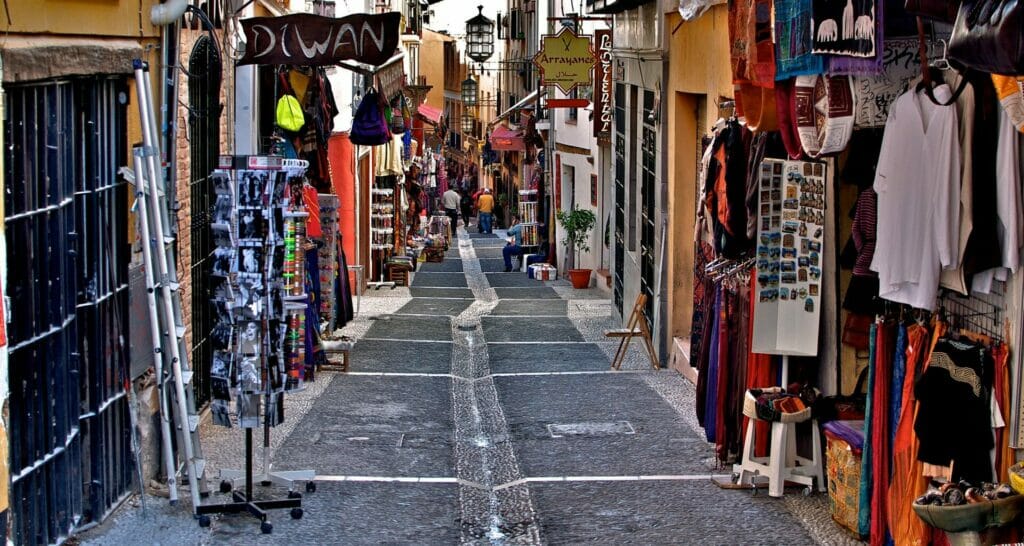
One of the oldest streets in the town centre. The Boiler making, the street lined with tea shops, offering mint tea, spices and Moroccan handicrafts.
At the end is the Elvira Gate, the main entrance to the Muslim city and one of the oldest surviving remains.
And if you’ve come for the tapas: in Granada The lid is included with the drink, which isn’t the case in the rest of Andalusia. There are places in where to eat in Granada y its traditional sweets.
The old Jewish quarter, on the southern slope of the Alhambra, and a peaceful alternative to the Albaicín. It has traditional houses, steep slopes and, in recent decades, lots of street art: the murals in The Boy in the Paintings They are all over the façades.
Here are the Cuarto Real de Santo Domingo, of Nasrid origin, and the Campo del Príncipe, with a great atmosphere for enjoying tapas.
Renaissance artist from the XVIth century, with two cloisters and a monumental high altarpiece. The following is buried here: Great Captain, Gonzalo Fernández de Córdoba. It’s close to the university area and is usually quiet.
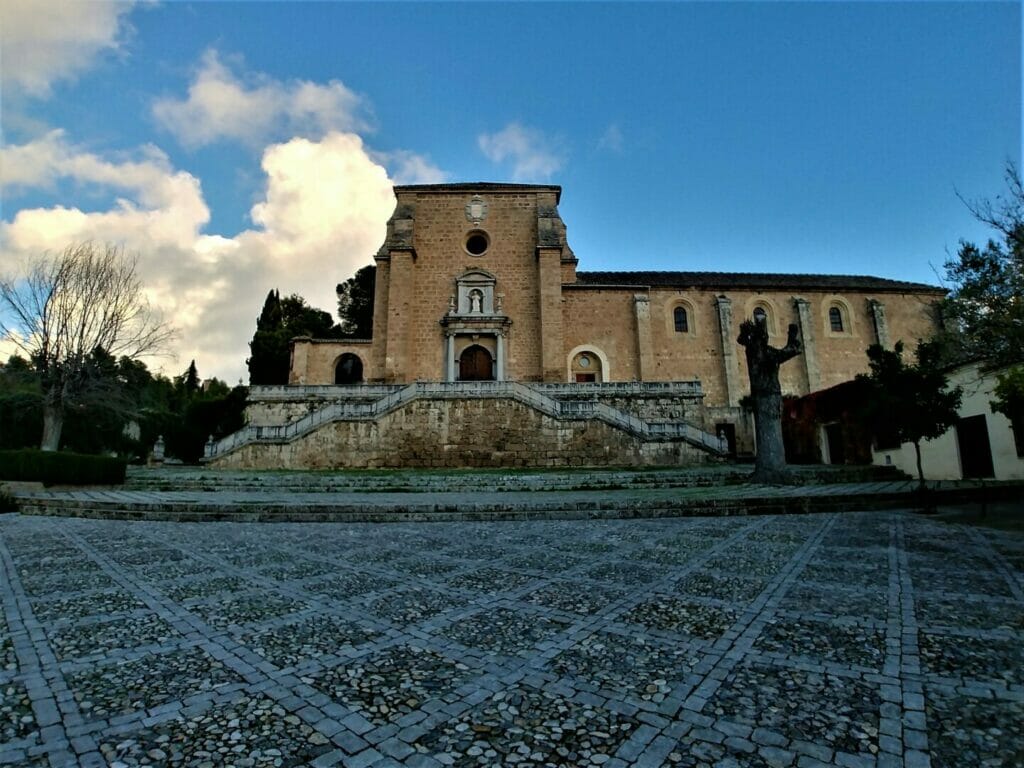
It took three centuries It took a long time to complete, and it shows: it’s a blend of Gothic, Renaissance and Baroque styles. Its sacristy is one of the finest examples of Spanish Baroque architecture, with marble, stucco and inlaid woodwork that you simply have to see to believe.
It’s on the outskirts, about a 20-minute ride by city bus, but it’s well worth the detour.
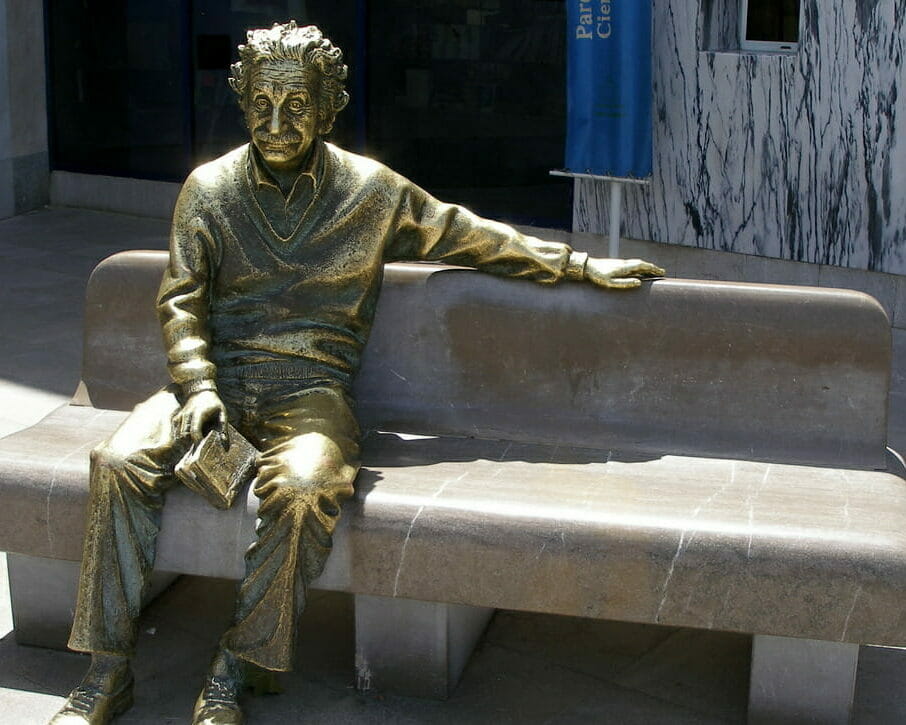
The Andalusia’s first interactive science museum, opened in 1995with 70,000 square metres. It’s the best thing to do in Granada with children.
It has planetarium, tropical butterfly house, the exhibition on the journey through the human body, a lookout tower and an outdoor garden with a giant chess set and sundials. You can get there by bus or on foot from the city centre in just over twenty minutes.
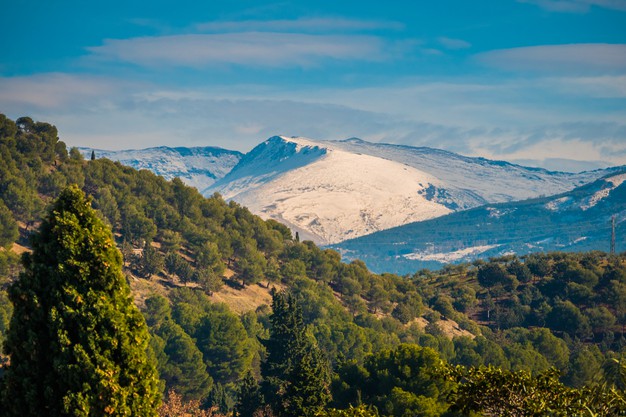
National Park and Biosphere Reserve, with the Mulhacén (3,479 m), the the roof of the Iberian Peninsula. The ski resort is about 32 kilometres from the town centre via the A-395.
In winter, you can go skiing; the rest of the year, there’s high-altitude hiking. The idea that you can go skiing in the morning and be on the beach in the afternoon isn’t just a cliché: the coast is an hour and a half away.
And for something a bit more laid-back, the enchanted forest.
Be careful of the distances, as they drive erratically:
If you’re coming by car, bear in mind that a large part of the city centre and the Albaicín are restricted traffic zone with CCTV. Leave the vehicle in a car park on the outskirts.
Comfortable footwear: It’s all hills and cobbled streets here. And in summer, spend the middle of the day indoors.
We are a local tour operator based in Málaga with over 50 years’ experience organising trips around Andalusia. If you’d rather not drive or have to hassle over tickets for the Alhambra:
And if you’re hopping from city to city, you’ve got What to see in Córdoba y Málaga in three days. The entire destination, in The Granada Guide.
Yes, and well in advance. Admission to the Nasrid Palaces is limited and allocated by time slot, so places sell out weeks in advance during the high season. Without a booking, you may end up only seeing the Alcazaba and the Generalife, but not the Palaces, which are the main attraction. An alternative is to book a tour that already includes admission tickets.
In the Royal Chapel, not in the Cathedral. They are two adjoining but separate buildings, each with its own entrance. The Royal Chapel houses the marble tombs of Isabella and Ferdinand, alongside those of their daughter Joanna and Philip the Handsome, whilst the crypt contains their lead coffins. Its museum houses Isabella’s crown and sceptre, as well as her collection of Flemish paintings.
About 124 kilometres along the A-92, around an hour and a quarter by car, or just over an hour and a half by direct bus. It’s worth clarifying this because it’s sometimes reported that Córdoba is also an hour away, when in fact it’s 165 kilometres and takes about two hours.
The Alhambra in the morning with a pre-booked ticket, the city centre at midday with the Cathedral, the Royal Chapel, the Corral del Carbón and the Alcaicería, and in the afternoon, a walk up to the Albaicín via the Carrera del Darro, ending at the Mirador de San Nicolás at sunset. The entire tour is on foot, although there are quite a few hills.
Yes, it’s a deeply ingrained custom: when you order a drink in most bars, you’re served a tapa included in the price, and it usually changes with every drink. It’s something unique to Granada that doesn’t happen in the rest of Andalusia, and it explains why many visitors end up having a meal consisting solely of tapas without ordering anything else.
Yes. The C31 city minibuses run through the neighbourhood from Plaza Nueva and avoid the steep climb, which is quite a challenge. It’s the best option if you have limited mobility or if it’s hot, although walking down the Carrera del Darro is well worth it in any case.