A weekend in Ronda You can fit in a lot if you organise the two days well. The city is compact and you can explore almost the whole of the city centre on foot, so you don’t need a car to get around it: only to visit the surrounding areas.
Here’s a two-day itinerary Spread out sensibly: the first day for exploring the historic centre and the viewpoints overlooking the Tagus, the second for the monuments that you can visit inside. And finally, five places in the surrounding area in case you have time to spare or decide to extend your break.
Ronda stands on the Tagus, a gorge over one hundred metres deep carved out by the river Guadalevín, which divides the city in two: to the south, the neighbourhood of the City, the old quarter of Arab origin, and to the north the Street Market, the new neighbourhood. Getting to know it from the start saves you from having to walk around unnecessarily.
The best way to organise your day is to save the stroll and the views for Saturday and the paid-entry monuments for Sunday. That way, you can make the most of the early morning, when the city centre is quieter, before the day-trippers arrive.
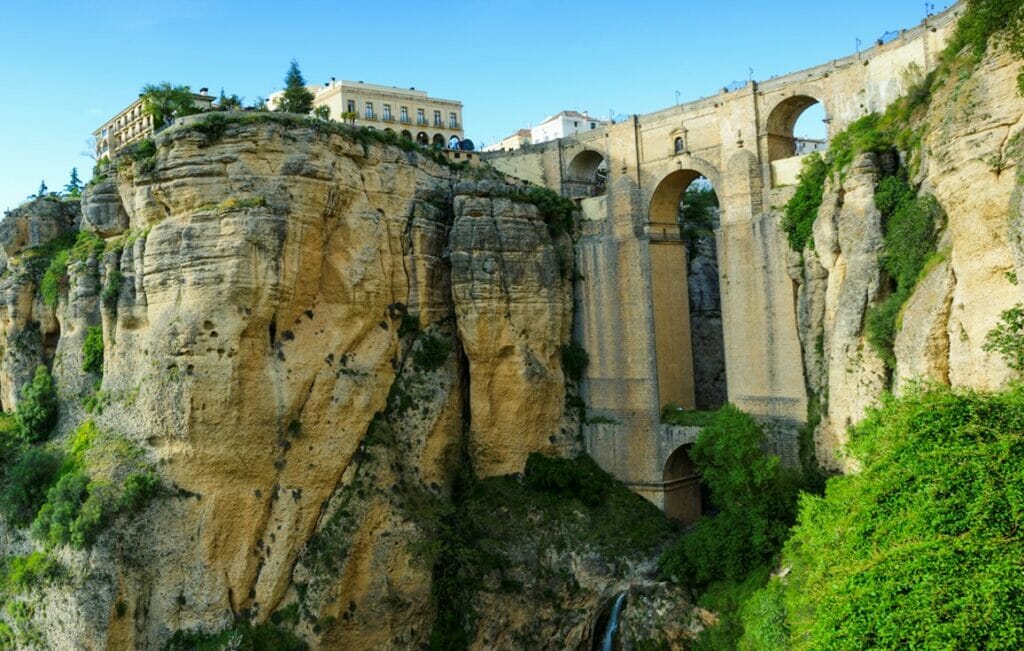
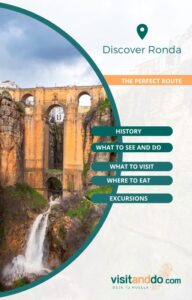
Start with the "Puente Nuevo", the city’s most recognisable landmark and the vantage point from which everything else can be taken in. It was built between 1751 and 1793 and crosses the gorge at a height of almost one hundred metres above the riverbed. Take a look from the viewing points at either end before crossing.
Carry on to the Plaza de España, next to the bridge, surrounded by terraces and a great spot for your first coffee. From there, the Alameda del Tajo: a promenade with gardens and balconies jutting out directly over the cliff, offering views of the valley and the mountains. It’s one of the best spots in Ronda for watching the sunset, so if you’d rather save it for later in the day, bear this in mind.
He then crosses over to the Ciudad neighbourhood for the Mondragon Palace, a former palace dating from the Nasrid period which now houses the municipal museum and still features courtyards and a superb viewing point. Very close by is the Don Bosco House Museum, an early 20th-century mansion with a Modernist feel, whose garden and terrace overlook the Tagus: it is one of the city’s most beautiful views and often goes unnoticed.
Round off the afternoon by wandering through the streets of the old town, such as the Calle de la Bola —the main shopping and pedestrian street—, as far as the Socorro Square, one of the city’s popular meeting places and where much of the tapas scene comes to life as night falls.
You can expand your itinerary with our comprehensive city guide
The second day is for paid visits. It begins with the Arab Baths, in the lower part, next to the Culebras stream: they are among the the best-preserved on the peninsula, dating from the 13th and 14th centuries, and their vaults still feature star-shaped skylights that let in light. They’re on the ground floor, so it’s best to visit them first and then go upstairs – not the other way round.
Then go up to the House of the Moorish King, which is not a Nasrid house but a small palace with two attractions: the garden designed by the French landscape architect Forestier and, above all, The Water Mine, a staircase about 200 steps carved into the rock which winds its way down to the river and was used to supply the city during sieges. Be careful: it’s damp, slippery and a real challenge for your legs.
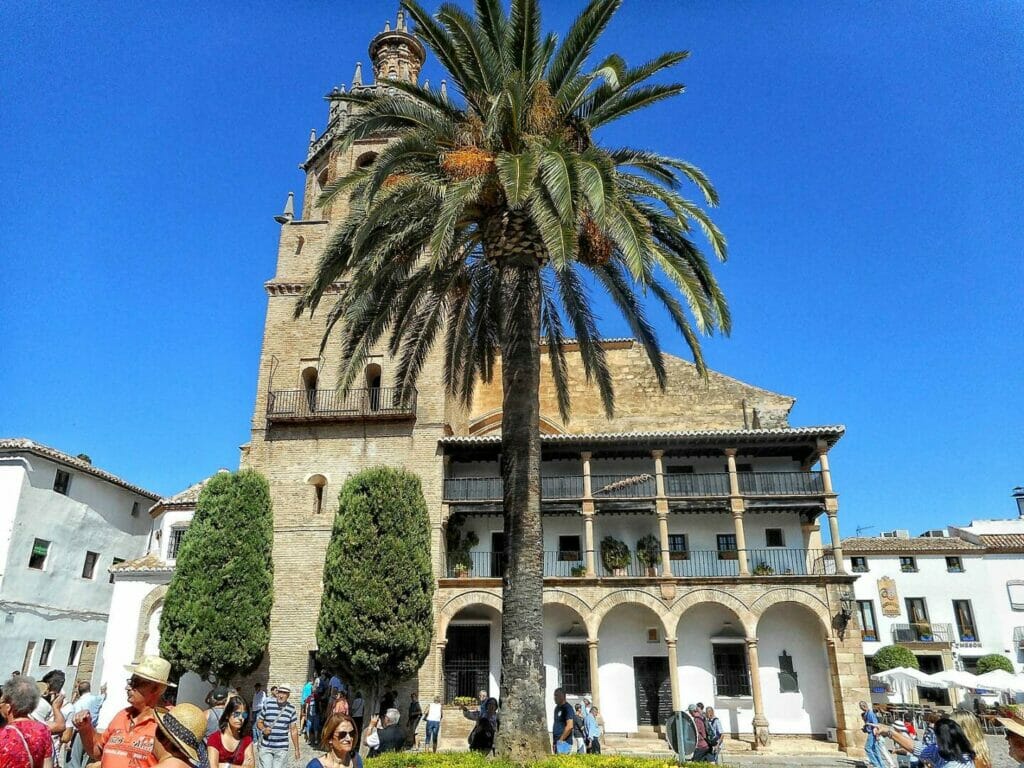
Continue to the Church of Santa María la Mayor, in the Plaza Duquesa de Parcent, built on the site of the former main mosque and featuring a blend of Gothic and Renaissance styles that can be clearly seen inside. A decorated arch next to the entrance still remains from the original Muslim mosque.
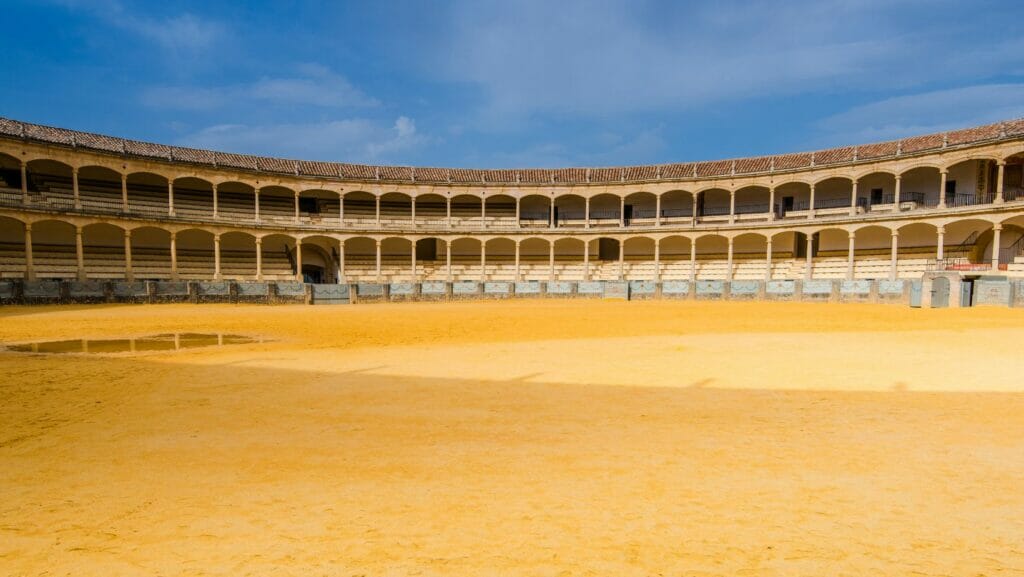
It ends at the La Real Maestranza Bullring, opened in 1785 and one of the oldest in Spain, where the Romero family established many of the rules of bullfighting on foot. The ticket includes admission to the bullring, the stables and the bullfighting museum. If you have an hour to spare, the Lara Museum It is a very diverse private collection, with a section devoted to the Inquisition and witchcraft that takes almost everyone by surprise; you’ll find more options in our guide to museums in Ronda to visit in one day.
If you’d like detailed information on each monument, including opening times and hidden gems that we haven’t been able to include here, you’ll find the complete guide at What to see in Ronda. And to organise the logistics of the trip — how to get there, where to stay, when to go —, the tourist guide to Ronda.
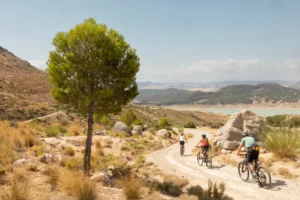
If you have some spare time, or if you extend your weekend to three days, the surrounding area is what makes this visit a perfect getaway. You’ll need a car to get around: public transport between small villages is limited.
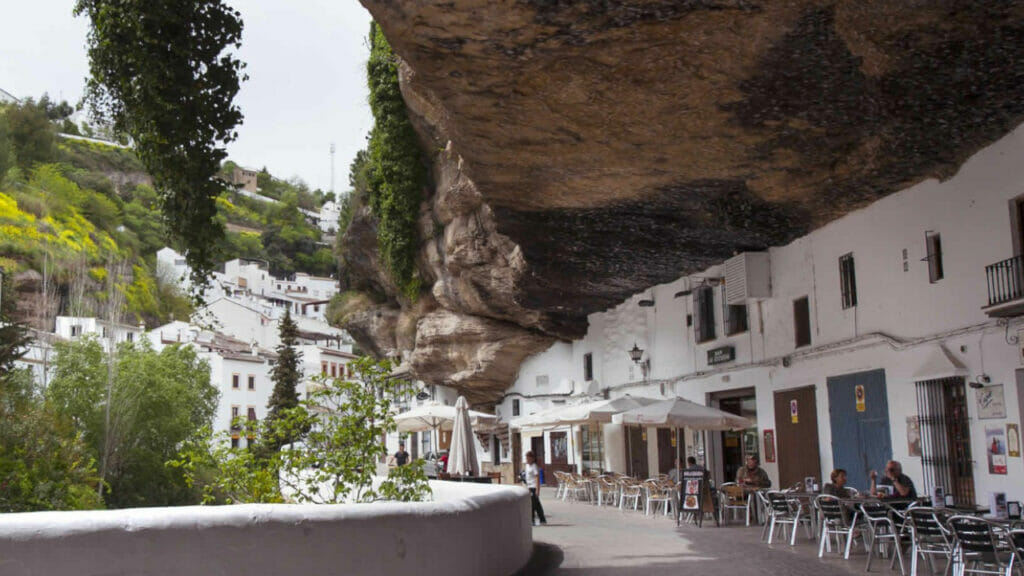
The most rewarding and closest getaway. Setenil de las Bodegas It’s just 18 kilometres away and its streets are covered by rock, which acts as a natural roof: the Cuevas del Sol and the Cuevas de la Sombra are the two sights that everyone takes home with them. It takes one or two hours to explore and there are terraces beneath the rock where you can stop for a break. You can find more details at What to see in Setenil de las Bodegas.
From there, you can carry on towards Zahara de la Sierra o Grazalema, either in Cádiz itself, or heading down to the Genal Valley. We’ll tell you all about it in The White Villages Route from Ronda and in the villages of the Serranía de Ronda.
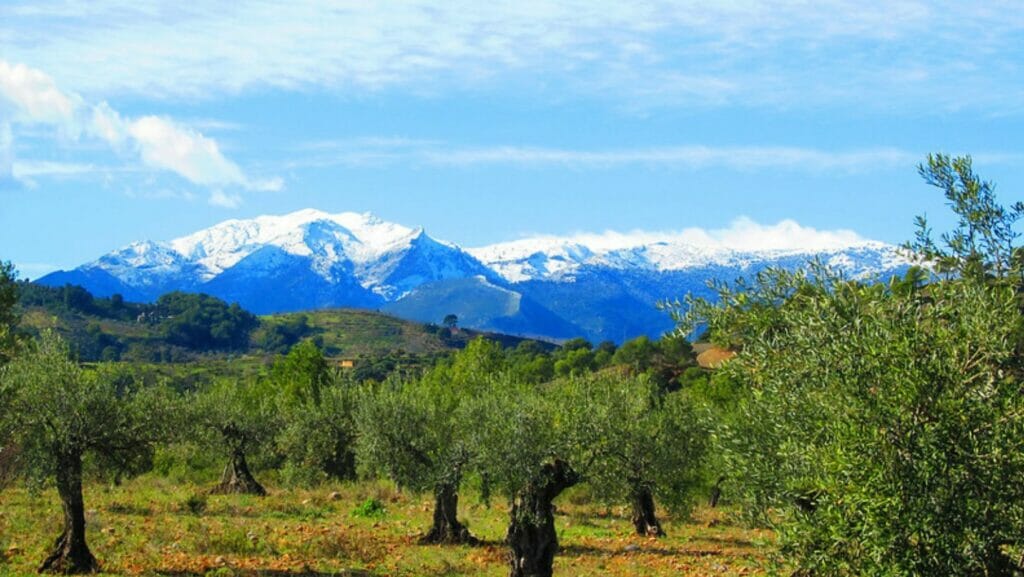
Just a short drive from Ronda. It’s worth noting that It is no longer a nature reserve: it has been a National Park since 1 July 2021, the sixteenth in Spain, and a Biosphere Reserve since 1995. It covers almost 23,000 hectares and is home to the world’s largest stand of Pinsapar, a type of fir that grows naturally only in these mountain ranges.
Here is the Torrecilla Peak, at 1,919 metres, the the second highest in the province of Málaga behind La Maroma. There are trails to suit all levels, although those within the park may require a permit, so do check before you go.
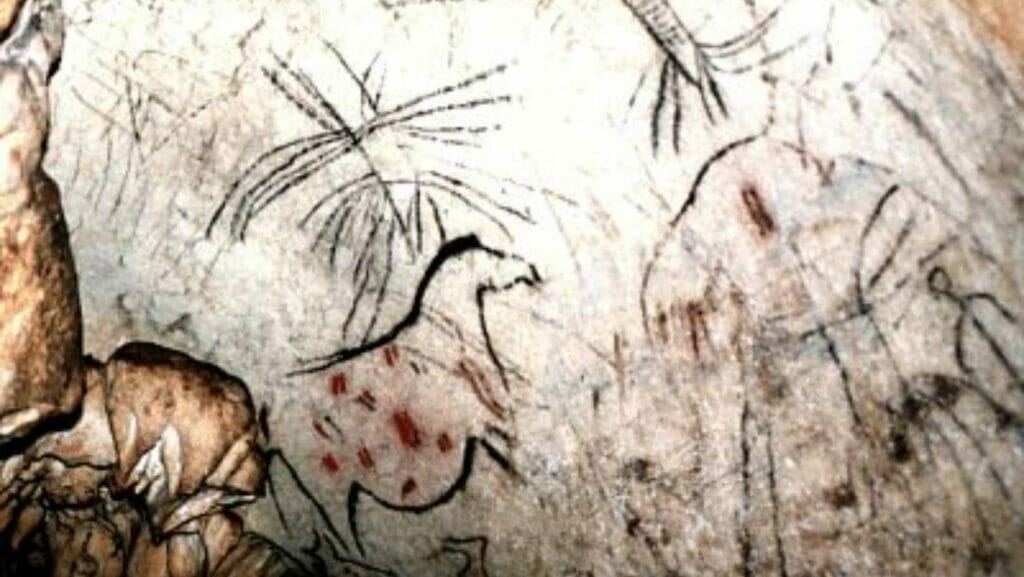
In Benaoján, one of Europe’s most important caves featuring rock art: paintings and engravings dating back tens of thousands of years. The visit is guided tour; advance booking required, in small groups, and the tour takes in without electricity —with lanterns—, which is part of its charm. Wear closed-toe shoes and something warm, as it’s cold inside all year round.
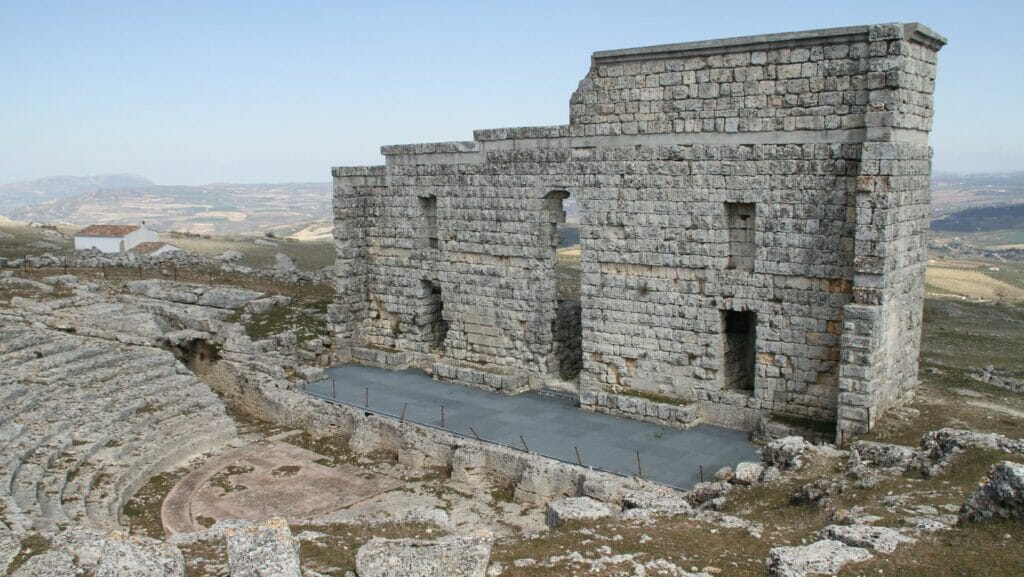
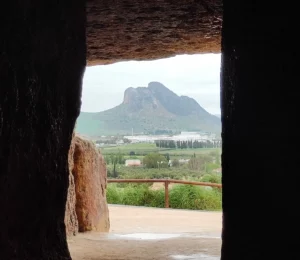
An old a Roman town about 20 kilometres from Ronda, in the middle of the countryside. The best-preserved part is its theatre, carved into the hillside with the stands hewn directly from the rock, with the mountain range in the background. It is an open-air site with limited opening hours that vary depending on the season, so please check before you go.
Don’t let the name confuse you: Acinipo is also known as Ronda la Vieja, but it is neither a neighbourhood nor a viewpoint in the city; rather, it is an archaeological site half an hour’s drive away.
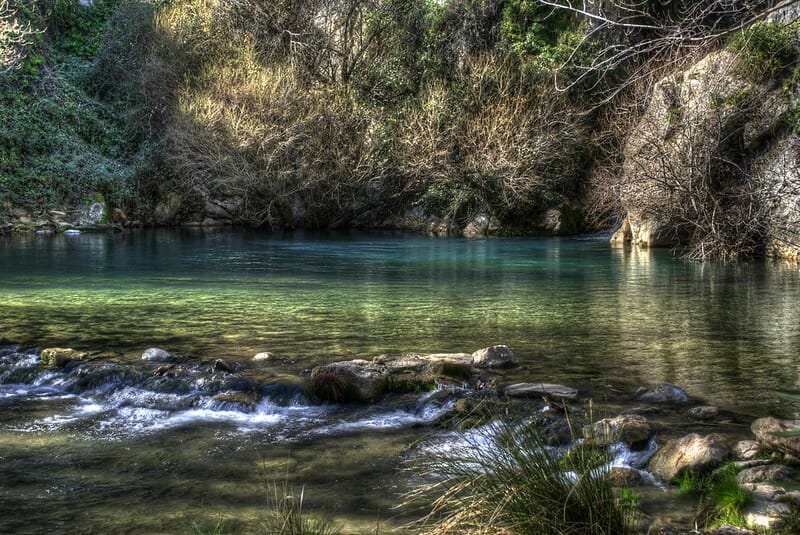
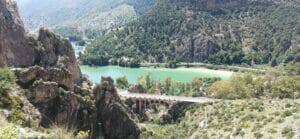
About 13 kilometres from Ronda, near Benaoján, in the Sierra de Grazalema Natural Park. It has been designated Andalusian Natural Monument and it is the most complex cave system in the region. A pool of turquoise water flows from its entrance, the Cold Puddle, which lives up to its name: the water is ice-cold all year round.
Two important notices. Entry to the cave is prohibited because of the danger it poses and the bat colonies and cave paintings it contains; the tour takes visitors as far as the vicinity of the entrance. And Swimming in the pool is restricted: In summer, access is controlled to prevent overcrowding and may be restricted, with security staff on duty and fencing in place at certain times. Check with Benaoján Town Council before heading there with your towel.
Eight villages in the Serranía and the Genal Valley, with routes and distances
You don’t always need to stay overnight. From the coast, Ronda is one of the most popular day trips, and if you’d rather not drive along mountain roads or worry about parking, an organised tour takes care of it all. We’re a local tour operator based in Málaga with over 50 years’ experience organising trips around Andalusia, using our own guides.
Our excursions to Ronda include:
You can view dates, prices and availability on the Day trip to Ronda and Setenil de las Bodegas from Málaga and the Costa del Sol.
Two days should be plenty. The historic centre is compact and easy to explore on foot, so one day is enough for the Puente Nuevo, the Tajo viewpoints and a stroll through the two neighbourhoods, whilst the second day allows you to visit the monuments at your own pace. You can see the main sights in a single day, but you’ll have to choose which ones to visit inside.
The Puente Nuevo and the Tajo viewpoints, the Alameda del Tajo, the Palacio de Mondragón and the Don Bosco House Museum on the first day. On the second day, the Arab Baths, the Casa del Rey Moro water well, the Church of Santa María la Mayor and the Real Maestranza Bullring. If there’s time left over, the Lara Museum and a trip to Setenil de las Bodegas.
Set aside the first day for the town and the second for a day out. The most convenient option is Setenil de las Bodegas, 18 kilometres away, with its houses built into the rock, and on the way there, the Cueva del Gato or the Roman archaeological site of Acinipo. If you prefer nature, the Sierra de las Nieves National Park is just a stone’s throw away. You’ll need a car for all of this.
Entry to the cave is prohibited due to the danger involved, and visits are limited to the area around the entrance. Swimming in the outdoor pool, known as the Charco Frío, is regulated: in summer, access is controlled to prevent overcrowding and may be restricted. It is advisable to check the situation with Benaoján Town Council before you go.
Yes, especially if you’re staying overnight. Ronda packs a lot into a small area: the Puente Nuevo bridge over the Tagus, a historic centre of Arab origin and monuments such as the Arab Baths and the bullring. And if you stay overnight, you’ll find the town empty first thing in the morning and at sunset, when the day-trippers have left. What’s more, the white villages and the mountains are less than half an hour away.
By car, it takes about two hours via the A-357 and the A-367. There’s also a train, offering scenic views along the way, and a bus from Málaga station. If you’d rather not drive along mountain roads, the organised day trip takes care of transport and a guide, and includes a stop at Setenil de las Bodegas.