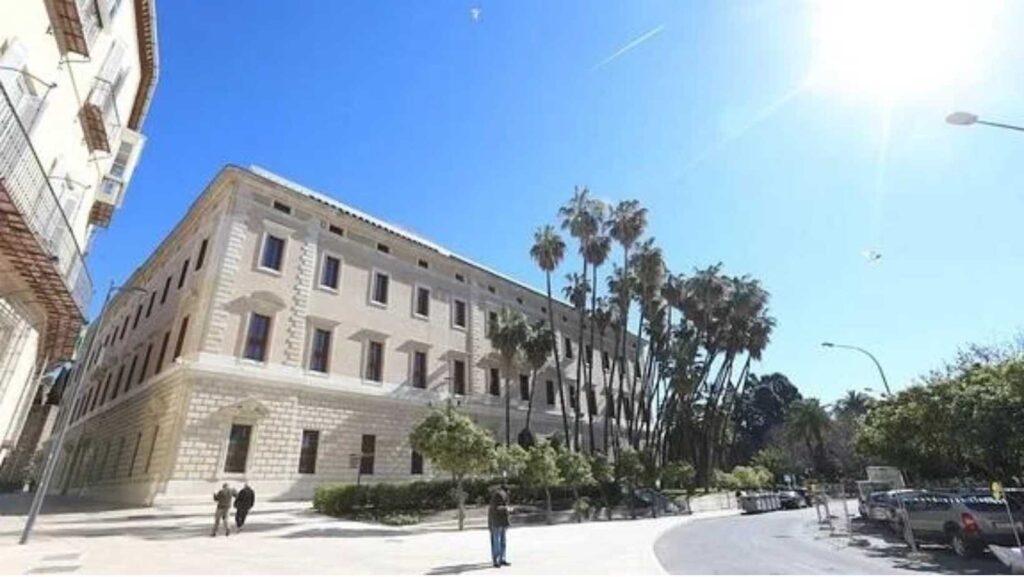
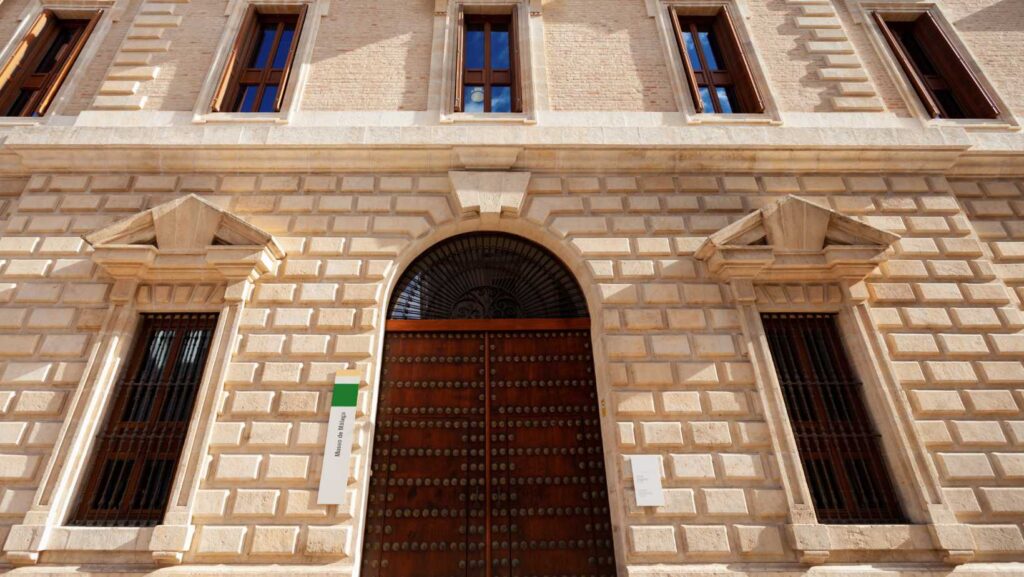
The Customs Square It lies at the foot of the Alcazaba, next to the Roman Theatre, and is dominated by the Customs House, Málaga’s first Neoclassical building. Today it houses the Museum of Malaga, the the fifth largest in Spain and the largest in Andalusia.
Before you go, check the timetable: The museum changes its opening hours in summer and closes at 3.00 pm, so lots of people turn up there in the afternoon only to find it’s closed. We’ve set out the details below, along with what’s worth seeing inside.
There are two different timetables, and this is the bit you should check before leaving home:
It is open on all other public holidays, including local ones, except for the 1 and 6 January, 1 May, and 24, 25 and 31 December.
Entry: free for European Union citizens y 1,50 € as for the rest. It’s one of the museums in the whole city that offers the best value for money; we’ve included it in Free museums in Málaga.
Allow two hours To put it simply: there are two complete collections in the same building.
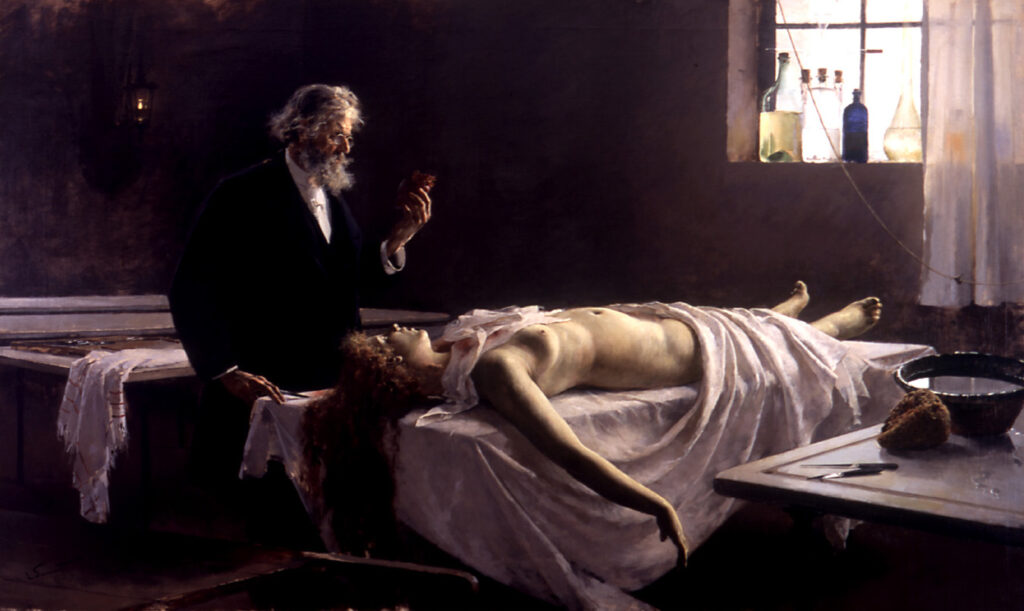
The museum brings together two collections that were previously separate: that of the former Museum of Fine Arts, from 1913, and that of the Provincial Archaeological Museum, dating from 1945. They merged in 1972 and are now housed in this building since December 2016.
The figures give an idea of the scale: more than 15,000 archaeological artefacts and a few 2,000 works of art ranging from the 15th century to contemporary art, in a building measuring over 18,000 square metres.
Four things you shouldn’t miss:
The Palacio de la Aduana has a history of different uses that tells the story of half of Málaga.
He planned it Manuel Martín Rodríguez at 1788, with the approval of Charles III, taking its cue from the customs house that Sabatini had built in Madrid. Work began in 1791 and they didn’t finish until 1829. It is the the city’s first Neoclassical building, with a square floor plan and four wings surrounding a courtyard, in the style of Italian Renaissance palaces.
And here’s the surprising fact: although it is known as the Customs Office, It was originally used as a tobacco factory. This was followed by the maritime customs office, the Provincial Council, the Civil Government and the Government Sub-delegation, which occupied the building until 2007.
When it was built, the sea came right up to his doorstep: It was next to the old quay, before the land reclamation works that gradually moved the port further out. That is why a customs house was built here.
In the early hours of 26 April 1922 The building went up in flames. It was a disaster that had a huge impact on the city: 28 people died of the junior staff who lived in the attic.
The palace lost the attic and the gabled roof, which were replaced by terraces, altering its silhouette for almost a century. The refurbishment for the museum restored the building’s original roof.
The fact that it is now a museum was not a decision taken behind closed doors. In 1997, more than 50 organisations in Málaga —associations, foundations, professional bodies and trade unions— rallied under the slogan «The Customs Office for Málaga» to advocate for its use as a museum.
It took nearly twenty years, but it worked: the museum opened in December 2016. It’s worth knowing this when you go in.
This is one of the areas of Málaga with the highest concentration of historic monuments: within just a few metres, you can find Roman, Al-Andalus and Neoclassical architecture.
Take a look at the building itself from the outside too: the padding on the lower part, the stone chains at the corners and the balcony of apparitions of the façade facing Málaga Park.
You can find the set at The 8 must-see monuments in Málaga.
It’s in the Plaza de la Aduana, 1, right in the heart of the historic centre, next to Calle Alcazabilla.
Check opening hours and the programme on the museum’s official website
We are a local tour operator based in Málaga with over 50 years’ experience organising trips around Andalusia. If your visit to the Aduana has left you wanting to see more of the region’s heritage, these three tours are the most popular:
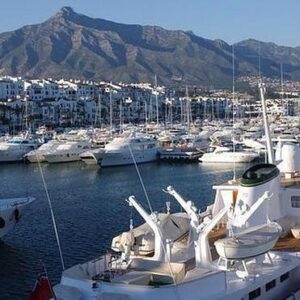
Mijas, Marbella and Puerto Banús, which includes admission to the CAC Mijas, featuring works by Picasso, Dalí and Miró.
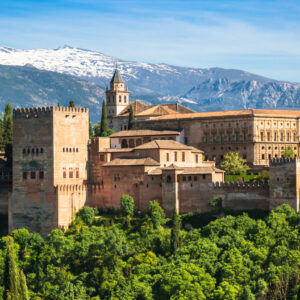
Granada, with tickets to the Alhambra, the most visited Nasrid complex in Spain.
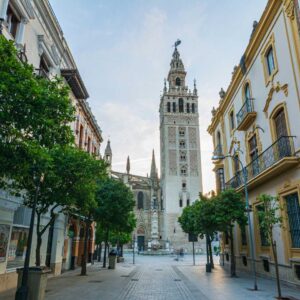
Seville, with the Cathedral and the Royal Alcazar, the oldest royal palace still in use in Europe.
And if you’d rather stay in town, you’ve got what to see in Malaga in one day y free things to do in Málaga.
It depends on the time of year. From 16 June to 15 September, it is open from Tuesday to Sunday and on public holidays in the mornings only, from 9.00 am to 3.00 pm. The rest of the year, it is open from Tuesday to Saturday from 9.00 am to 9.00 pm, and on Sundays and public holidays from 9.00 am to 3.00 pm. It is closed on Mondays all year round, as well as on 1 and 6 January, 1 May, and 24, 25 and 31 December.
Admission is free for European Union citizens and costs €1.50 for visitors of other nationalities. With over 15,000 archaeological artefacts and some 2,000 works of art, it is one of the city’s best-value museums. You should allow around two hours for your visit.
A 2nd-century marble sculpture that was unearthed during building works at the Palacio de la Aduana itself and which now greets visitors at the museum’s entrance. It is one of the most recognisable pieces in the archaeological collection and neatly sums up the museum’s approach: much of what is on display was unearthed from beneath the city itself.
Yes, and that’s what sets it apart from other museums. On the ground floor, there is a collection storage area open to the public, containing pieces that are not part of the permanent exhibition. Its contents change constantly as works are loaned out or added, so no two visits are ever the same.
Many things. Although it is known for its role as a customs house, it was originally used as a tobacco factory. It subsequently housed the maritime customs office, the Provincial Council, the Civil Government and the Government Sub-delegation for the Province, which occupied the building until 2007. It has been home to the Málaga Museum since December 2016.
It is one of the areas in Málaga with the highest concentration of historic monuments. The Alcazaba stands just behind it and the Roman Theatre is just a few steps away, on Calle Alcazabilla. You can see Gibralfaro Castle up on the hill, and the Picasso Museum is just five minutes away, on Calle San Agustín. Combining a visit to the museum with the Alcazaba and the Roman Theatre makes for a full morning’s sightseeing.