The ‘malagueñas’ are a style of flamenco, not a dance or a demonym. It is a free verse, without a beat, sung simply to be listened to, and which originated in Málaga.
They are among the most difficult songs in existence, and among the most beloved here. Here’s exactly what they are, where they come from and where you can hear them.
They belong to the family of the fandangos, from which the granaínas, the rondeñas and the cantes de Levante also originate. What sets them apart:
And here’s the fact that surprises everyone: the ‘malagueña’ isn’t a dance. It never developed its own dance style. One often reads the opposite, with descriptions of polka-dot dresses and heel-tapping, but that belongs to other styles. The malagueña is a song meant to be listened to, and therein lies its difficulty.
Here’s the usual confusion, and it is best to separate it:
That is the crucial moment: When the rhythm is dropped, the singing ceases to accompany the dance and becomes something to be listened to. This is how ‘cantes libres’ come into being.
The root lies in the verdiales, the folklore of the Montes de Málaga, and in the forgotten fandangos. You can find them at the traditions of Málaga.
This isn’t usually mentioned either. There are two theories as to who invented the game:
There isn’t just «one» Malagueña; there are dozens. Each singer devised their own, and they are named after their creator:
To get an idea of the scale: the flamenco singer Diego Clavel went on to record 47 different disciplines from Málaga. Recognising where each rendition comes from is part of the enjoyment for the enthusiast.
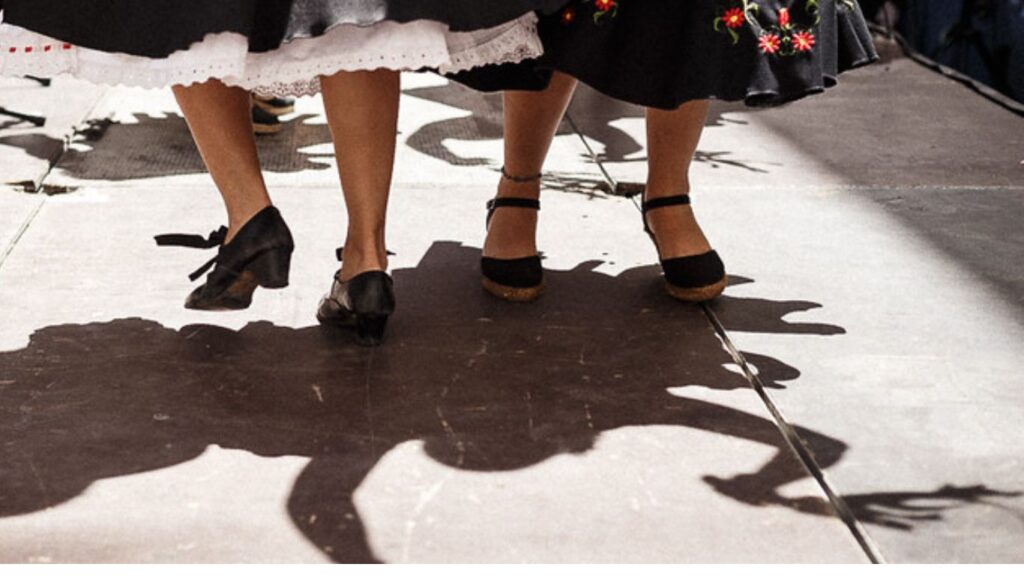
In the flamenco clubs, which is where you can really hear the music. These are venues run by enthusiasts, with no show or dinner, and they organise recitals all year round. There are several in Málaga, and the ‘palo malagueño’ naturally takes pride of place.
In the tablaos in the city centre, where the ‘malagueña’ is usually included in the repertoire alongside other styles. It’s the easiest option if you’re just passing through.
At the flamenco singing festivals in the province, particularly in summer.
And here’s a tip: If you’ve never heard a ‘malagueña’ before, have a listen to a recording first. It’s a style of singing without a chorus or an immediate hook, and you’ll enjoy it much more live if you know what to expect.
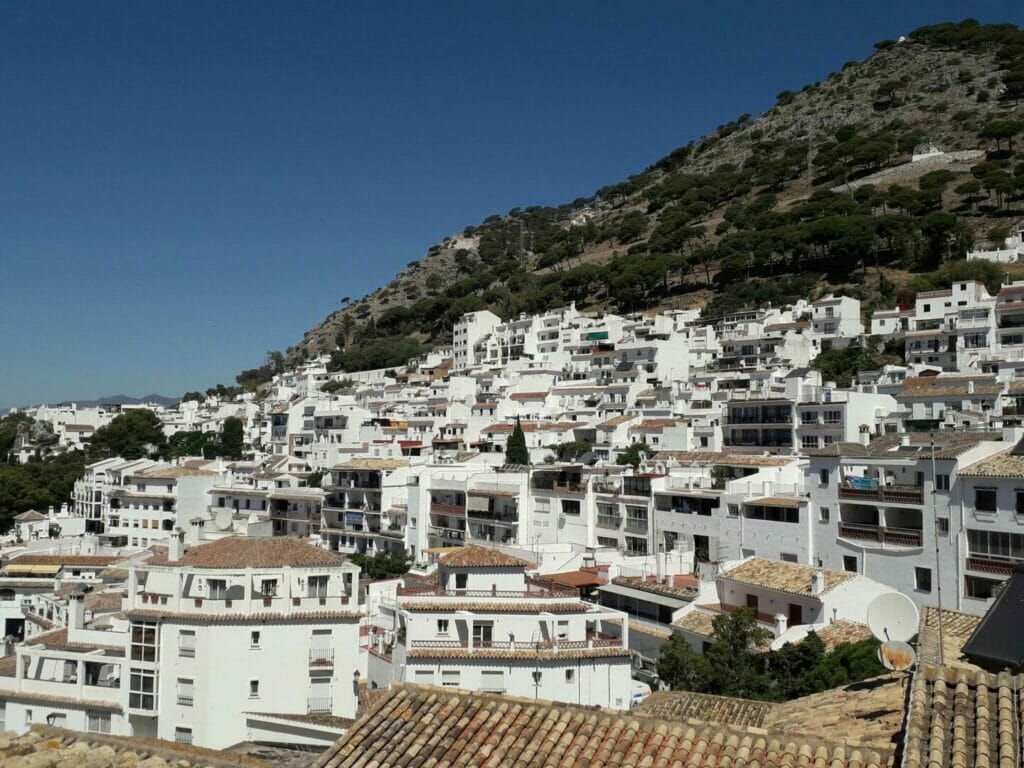
Mijas Village programme free open-air flamenco in their squares, usually at midday in the Plaza de la Virgen de la Peña and the Plaza de la Constitución. Please confirm the date and time at the tourist office before you go, because the programme changes depending on the season. You’ll find the village in what to see in Mijas.
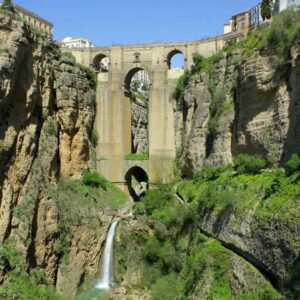
Ronda preserves flamenco in wine cellars and stately homes, and as Land of La Rondeña —another style of singing related to the ‘malagueña’— the connection is direct. In What to see in Ronda.
And the verdiales, if you’ll agree: the pandas of the Montes de Málaga, with their violins, tambourines and cymbals, are the direct ancestors of all this, and they’re unlike anything else.
If you’re interested in the cultural side of Málaga beyond its monuments, there’s The Malaga Dictionary, traditional dishes y the prettiest villages in the county, starting with Álora.
We are a local tour operator based in Málaga with over 50 years’ experience organising trips around Andalusia. If you’d like to visit the villages where it all began:
You’ve got the city in What to see in Málaga in three days, the full catalogue at excursions and destiny in The Malaga Guide.
A flamenco style originating in Málaga, derived from the local fandangos. It is a free-form style of singing, without a fixed rhythm, accompanied by the guitar playing a melody in the key of E, with verses consisting of four or five octosyllabic lines and a highly ornamented melody. The term also refers to women native to Málaga, but here it refers to the musical style.
No. The malagueña never developed a dance of its own: it is a song meant to be listened to, performed without a fixed rhythm, and that is precisely what defines it. There is a great deal of information circulating that describes a Malagueña dance involving a ruffled dress and heel tapping, but this actually pertains to other flamenco styles or to the folk fandango from which it originates.
It is important to distinguish between two things. The folk-style, danceable fandangos of Málaga were already being sung in the 18th century. The ‘malagueña’ as a flamenco style took shape in the first half of the 19th century, when singers slowed the tempo to the point of dispensing with the rhythm altogether in order to showcase their voices, giving rise to what are known as ‘cantes libres’ (free-form songs).
There are two theories. One attributes it to Juan Breva, from Vélez-Málaga, a great promoter of Malaga-style flamenco singing in the cafés cantantes. The other, widely accepted theory points to Juan Reyes «El Canario», born in Álora, which is why this town is considered the cradle of the style and has a special connection to it.
Dozens. Each singer developed their own version, and the styles are named after their creator: La Trini’s style, which is tragic in nature and considered the quintessential local style; Antonio Chacón’s style, which elevated it to the status of ‘cante grande’; and Enrique el Mellizo’s style, from Cádiz. The singer Diego Clavel went so far as to record as many as 47 different variations.
In the city’s flamenco clubs – venues run by enthusiasts where singing is enjoyed without a show and recitals are held throughout the year. Also in the tablaos of the historic centre, where this style is usually part of the repertoire, and at singing festivals across the province, particularly during the summer.