Málaga is one of the cities in Andalusia where you can have the most fun without spending a penny. The historic centre is pedestrianised and compact; the major monuments offer free entry slots, and much of the city’s heritage can be experienced simply by strolling around.
Here they are ten genuinely free plans, including the opening times and free entry periods you should be aware of before you set off. Almost all of them are concentrated in the old town and can be visited on foot over the course of one or two days.
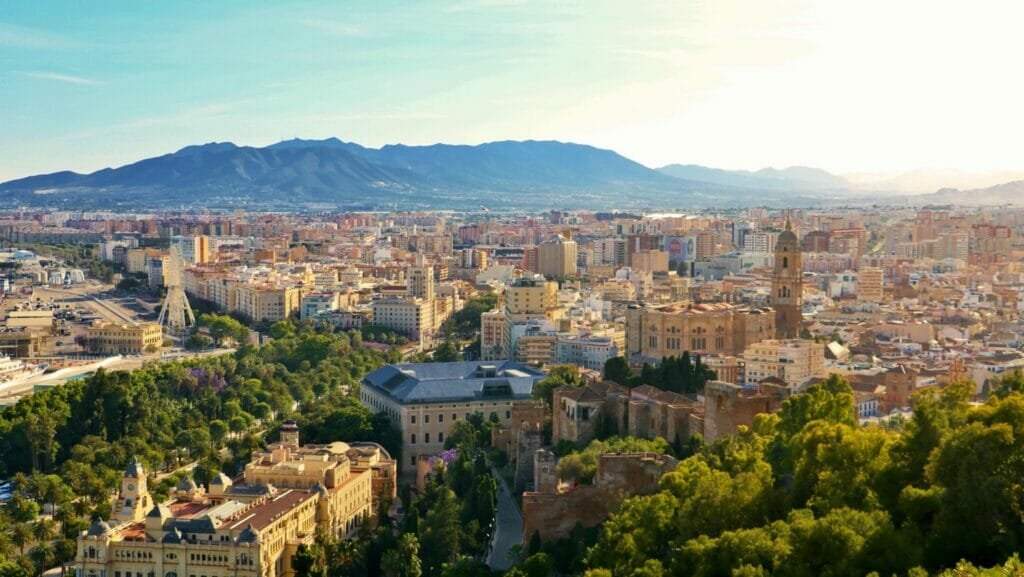
The best way to see the city is also the one that costs nothing: exploring the city centre on foot. The main route is the Marqués de Larios Street, a pedestrianised and commercial street, from which narrow streets lead off towards the Constitution Square and the Plaza de la Merced, where Picasso was born.
The city centre is designed with pedestrians in mind, so set aside a morning or an evening and just wander around. If you’d like a ready-made itinerary, you have what to see in Malaga in one day.
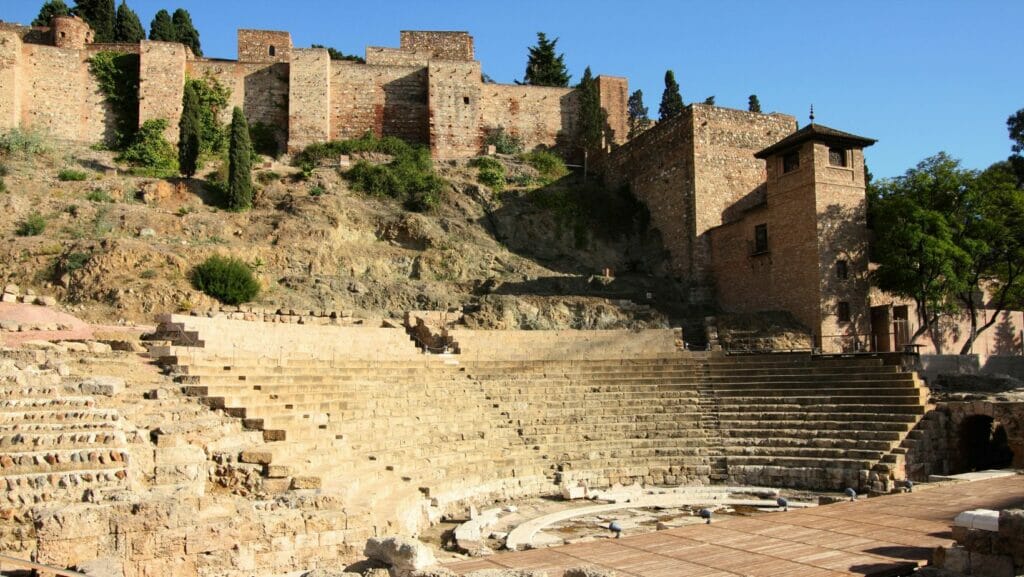
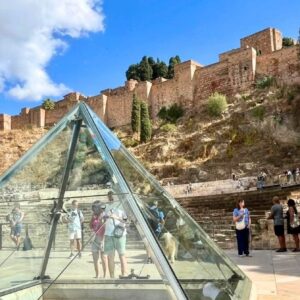
The Roman Theatre it is the oldest monument in the city, a remnant of ancient Malacca, and Access is always free. It lies at the foot of the Alcazaba and the surrounding area has been adapted so that it can be visited without an admission ticket.
The Alcazaba, the Muslim fortress that crowns the hill, is free on Sundays from 2.00 pm. The rest of the week is difficult 7 € general admission and 3 € the short one, and there’s a combined tour with Gibralfaro Castle via 10 € Valid for 48 hours. Prices went up in 2025, so if you look at other guides you may see the old prices.
Timetables: from 9.00 am to 8.00 pm from April to October and from 9.00 am to 6.00 pm from November to March, with the last admission one hour before closing time. Queues form on Sunday afternoons, so if you’re going for the free time slot, make sure you go early.
They are so close to one another that it’s worth visiting them on the same day.
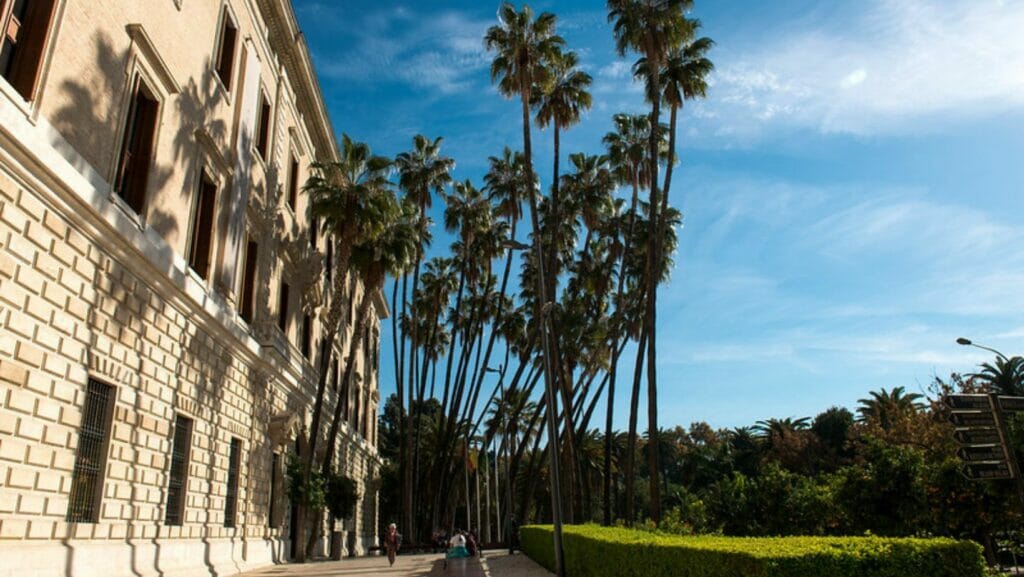
Málaga has more than thirty museums, and almost all of them offer a free entry slot, usually on Sunday afternoons. Each centre has its own rules and timetables, which vary depending on the season.
There’s one that stands apart: the Museum of Malaga, at the Palacio de la Aduana, is free for citizens of the European Union providing proof of nationality, any day. It houses the province’s fine art and archaeological collections and is the largest of its kind in Andalusia.
To make sure you don’t turn up to find the doors closed, you’ll find detailed information on each centre in our guide to free museums in Málaga, with the special offers and exceptions. If you combine two or three of them, you can spend a whole afternoon enjoying the arts without spending a penny on tickets.
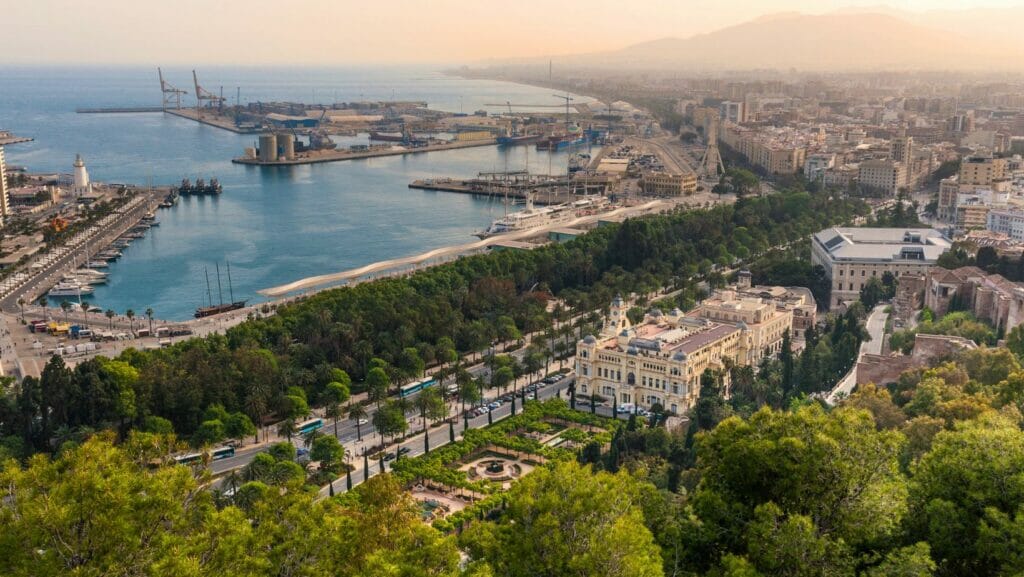
It is worth distinguishing between two things here. The outdoor viewing platform, next to the castle, is always freely accessible: from there you can see the harbour, the La Malagueta bullring and the historic centre from a bird’s-eye view. The castle grounds It costs €7, and it is also free on Sundays from 2.00 pm.
The walk up from the centre is an experience in itself: it takes between 20 and 30 minutes along the mountain path, with viewing points dotted along the route. There are other vantage points at The 5 best viewpoints in Málaga, and if you’re looking for the right time, at The best sunsets in Málaga.
A plan that hardly anyone talks about: Apart from the Cathedral, the churches in the centre of Málaga are free to visit. And some house altarpieces and carvings that would be in a museum in any other city.
The following are well worth a visit: Holy Martyrs, Santiago —where Picasso was baptised—, San Juan and the Basilica of Hope, in El Perchel, which houses one of the most revered images of Holy Week in Málaga.
The Malaga Cathedralknown as "La Manquita Although it charges an admission fee to visit the interior of its unfinished tower, the exterior and the squares surrounding it can be enjoyed free of charge and offer a good view of the façade.
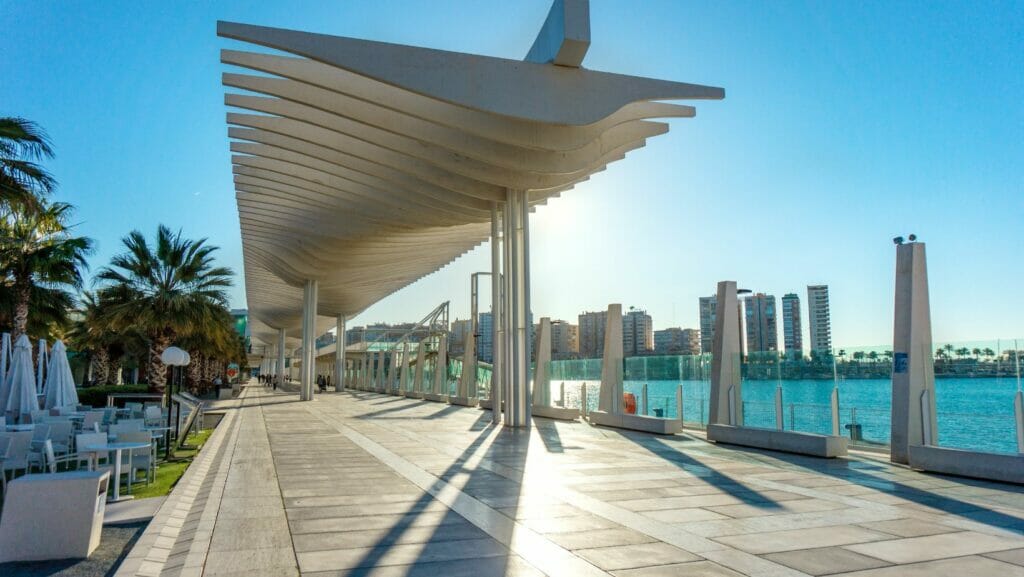
The promenade along the "Muelle Uno" connects the city centre with the harbour, with sea views, to La Farola and the silhouette of the Cathedral, the Alcazaba and Gibralfaro in the background. It costs nothing to walk along it and there are plenty of benches and green spaces.
Link directly to the Malagueta beach, the most central beach in the city, with public access and showers. Sunbathing, swimming or strolling along the seafront promenade is one of the most enjoyable free things to do.
The Atarazanas Market is well worth a visit in its own right, and there’s no need to buy anything. It retains the Nazarí-style marble door from the old shipyard that used to be here when the sea reached this far, and at the back there is a large stained-glass window which depicts historical views of Málaga.
It opens in the morning and entry is free. Browsing amongst the stalls selling fish, fruit and spices is the quickest way to get a feel for the city.
Next to the Town Hall are the Pedro Luis Alonso’s Gardens, a geometric layout of rose bushes, cypress trees and orange trees, which is open to the public. Running alongside it is the Paseo del Parque, one of Europe’s most important urban tropical gardens, featuring species brought from all over the world when the port served as a gateway.
Strolling beneath its centuries-old ficus trees and palm trees connects the town centre with the harbour in the shade, which is no small matter in summer.
The Soho neighbourhood, situated between the city centre and the harbour, is the city’s urban art district. Its façades feature large murals by national and international artists which you can explore at your leisure, like an open-air museum.
Wandering around looking for the artworks is free, unique and very photogenic, and the neighbourhood’s atmosphere, with its galleries and creative spaces, offers a different side to the historic centre.
To the east of the city centre lies the side of Málaga you don’t see on postcards: the old fishing districts. The seafront promenade in Pedregalejo y El Palo You can explore the whole place on foot or by bike, with its low-rise houses, boats on the sand and fishmongers hard at work in plain view.
Along the way are the Baths of Carmen, a former seaside spa dating from the early 20th century, with enormous ficus trees overhanging the sea – one of the city’s most characterful spots, with free entry. You can get there by city bus from the centre. If gazing at the embers makes you feel peckish, you’ll find some context at traditional dishes from Málaga.
Much of what best defines Málaga can be experienced on the streets, and it’s free of charge. The Malaga Fair, in August, fills the day centre and the grounds at night. The Easter It brings the processions out onto the streets of the old town. And throughout the year there are late-night museum openings and free municipal events.
If you have more days available, you can follow the extended itinerary at What to see in Málaga in three days.
Whenever you fancy getting out of the capital, we’re a local tour operator based in Málaga with over 50 years’ experience organising trips around Andalusia. These three tours include a pick-up from central Málaga and cover both transport and a guide:
Take a stroll through the historic centre and along Calle Larios, see the Roman Theatre, climb up to the Gibralfaro viewpoint, pop into the churches in the centre, explore Muelle Uno and Malagueta Beach, visit the Atarazanas Market, the Pedro Luis Alonso Gardens and the Paseo del Parque, the street art in Soho and the seafront promenades at Pedregalejo and El Palo. What’s more, the Alcazaba and Gibralfaro Castle are free to visit on Sundays from 2.00 pm, and several museums offer free entry at certain times.
On Sundays, yes, from 2.00 pm. The rest of the week, standard admission is €7 and concessions €3, with a combined ticket including Gibralfaro Castle for €10, valid for 48 hours. The Roman Theatre, at its foot, is always free to enter. Queues form on Sunday afternoons, so it’s best to arrive early.
The Málaga Museum, in the Palacio de la Aduana, offers free admission any day to European Union citizens upon presentation of proof of nationality. The other major museums offer free entry slots, usually on Sunday afternoons, although each has its own times and exceptions. It is advisable to check before you go, as conditions vary depending on the season.
There is an admission charge to visit the interior of the cathedral. Its exterior, the façade and the squares surrounding it can be enjoyed free of charge, and it is from here that you can clearly see its unfinished tower, which has earned it the nickname «La Manquita». If you’re looking for churches that are free to visit, the rest of the churches in the historic centre do not charge an admission fee.
Two days are enough to cover almost everything. The historic centre, the Alcazaba, the Roman Theatre and the churches can all be seen in a single day, whilst the second day leaves time for Gibralfaro, Muelle Uno, the beach and the eastern neighbourhoods. If you can choose which day to go, make one of them a Sunday: that’s when most of the free entry times for monuments and museums are available.
The historic centre is pedestrianised and compact, and you can explore the whole of it on foot without needing any transport. The only challenging climb is up to Gibralfaro, which takes 20 to 30 minutes from the centre. To get to Pedregalejo, El Palo or Los Baños del Carmen, it’s best to take the city bus, although you can also walk or cycle along the seafront promenade.