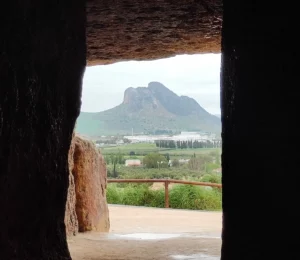
Málaga has more than 160 kilometres of coastline, from Manilva to Maro, and around thirty villages with beaches. Not all of them are suitable for the same purpose.
The key is to understand that there are two distinct coasts:
They go from west to east, which is what really sets each one apart.
The wing-back, already right up against Cádiz. Its coastal centre is San Luis de Sabinillas, with a wide beach of dark sand and a seafront promenade.
Why come all the way here: is one of the least crowded in the province, and it has two things you won’t find anywhere else: the Roman baths at La Hedionda, next to the River Manilva, and Muscat vineyard right by the coast.
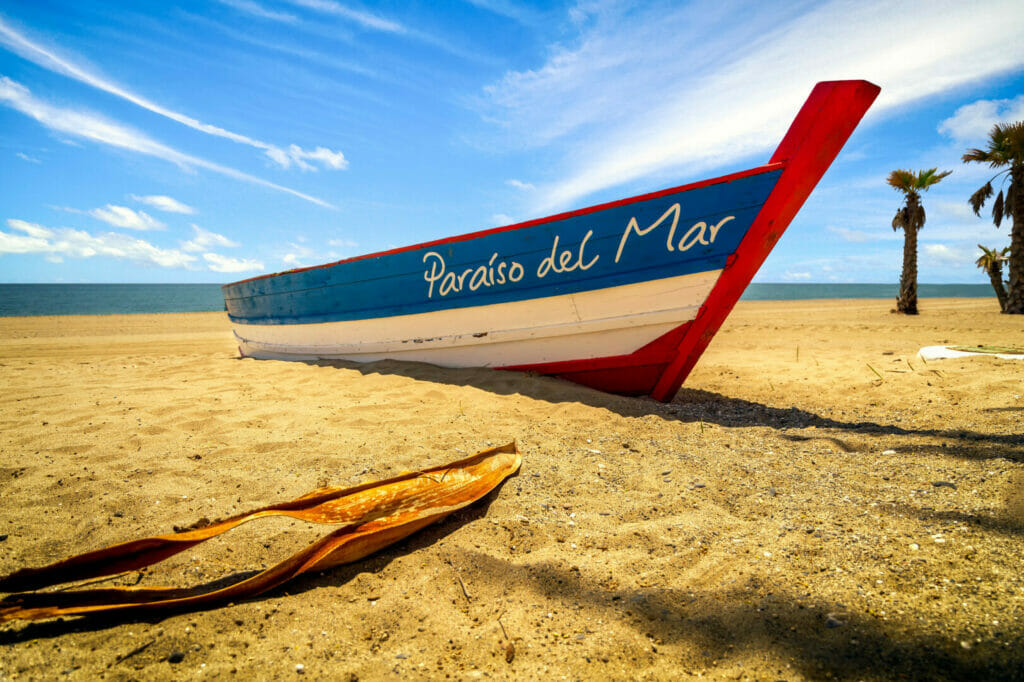
Over 20 kilometres of coastline and a historic centre full of flower pots, which is one of the best-maintained on the coast.
The village, in what to see in Estepona y the route of his murals.
More than twenty beaches and the old town is just a stone’s throw from the sea, which is its real advantage: you can go for a swim and be having a meal in the Plaza de los Naranjos within ten minutes.
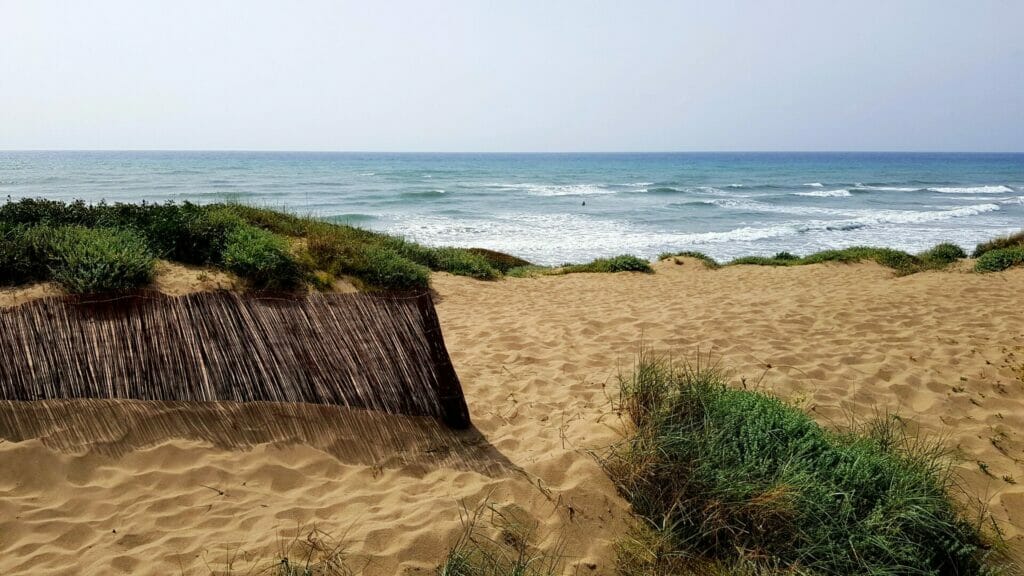
The one that’s unlike any other: Cabopino, with the Artola dunes, a protected dune system with a watchtower. It is not just another urban beach.
The rest and which one to choose, at the best beaches in Marbella and Puerto Banús. And the surrounding area, in what to see near Marbella.
Twelve kilometres of coastline with watchtowers spread out, and a more peaceful atmosphere than in the neighbouring towns.
La Cala de Mijas It used to be a fishing village, and today it has a wide beach and a promenade. And ten minutes’ walk uphill takes you to the village of Mijas: in what to see in Mijas.
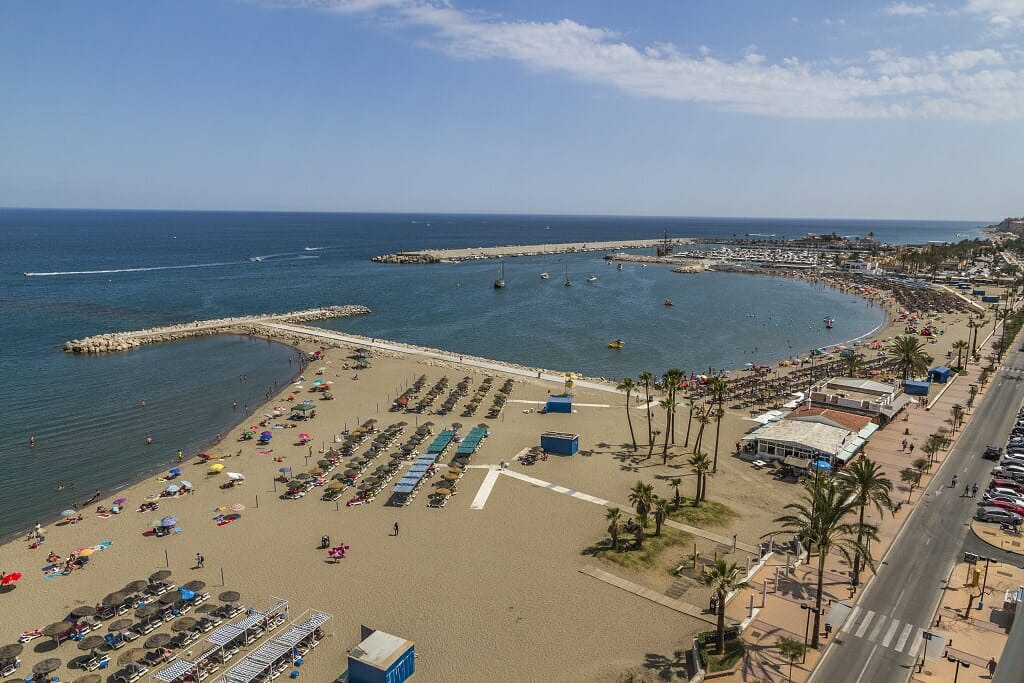
Eight kilometres of almost unbroken sand and the longest seafront promenade in the province. It’s the most family-friendly option on the west coast, with most beaches having Blue Flag and Q for Quality.
More plans at Things to do in Fuengirola.
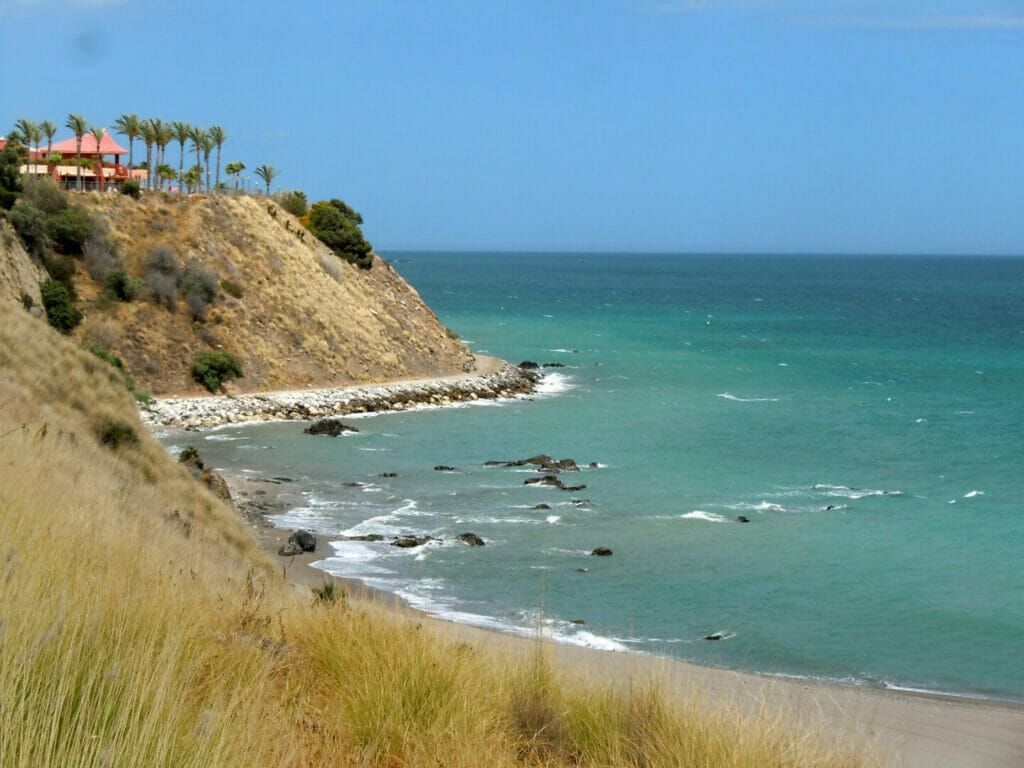
It is organised around Marina Harbour, and here we need to distinguish between two areas, as they are very different:
The central area, urban beaches with everything you could want:
And the western region, with rocky coves and clear water: The Yuccas, Torrequebrada y La Viborilla.
⚠️ Notice regarding Las Viborillas: It’s a small cove, great for diving, but It’s a nudist beach —that’s where Benalnatura is—. It’s often recommended without actually saying so, and it’s worth knowing if you’re travelling with your family.
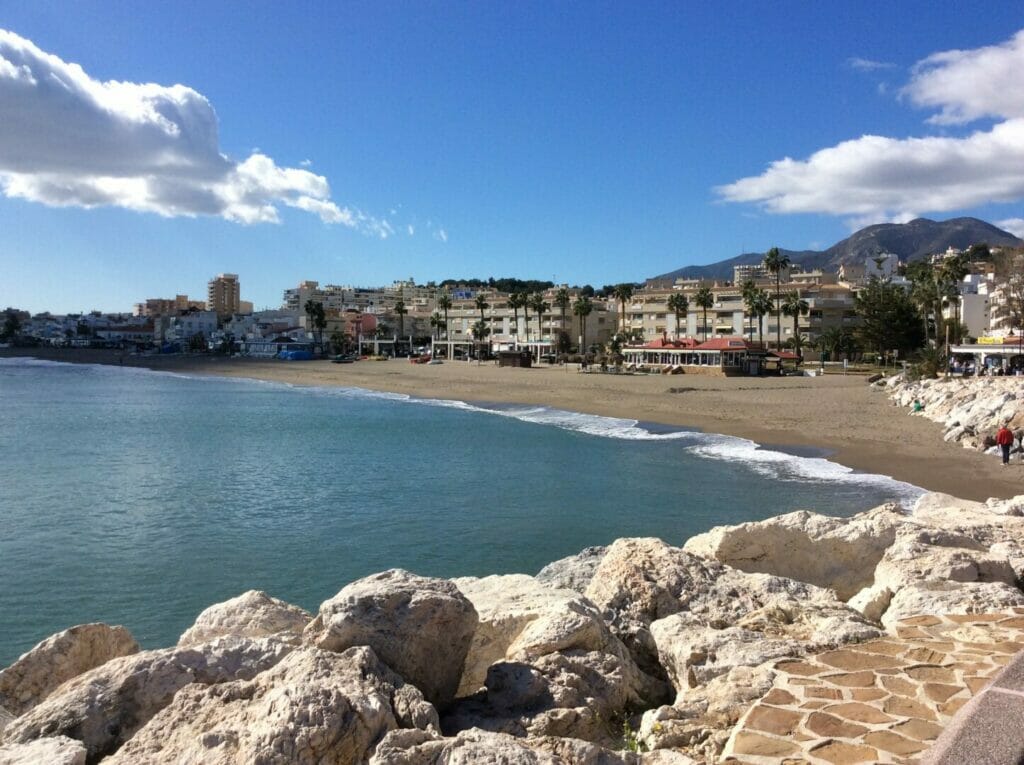
Seven kilometres of coastline Thirteen kilometres from Málaga, with local train services. It was the birthplace of tourism on the Costa del Sol, and it shows.
La Carihuela is the largest, at two kilometres, and it is the old fishermen’s quarter: That’s where you’ll find the best kebabs on the coast. They are followed by El Bajondillo, in the centre, Playamar y Los Alamos, the latter being near the kitesurfing area.
Details of each one at the beaches of Torremolinos, and with children, in Torremolinos with children.
The gateway to the Axarquía, a quarter of an hour from Málaga. Long beaches and a promenade running the entire length of the town centre, with a family-friendly, local atmosphere.
And something that no other one has: the Treasure Cave, one of the very few caves of marine origin some of the world’s most visited attractions, just a stone’s throw from the beach.
Wide sandy and pebbly beaches, with a lighthouse and the remains of a Roman factory at the forefront. It boasts of having the best climate in Europe.
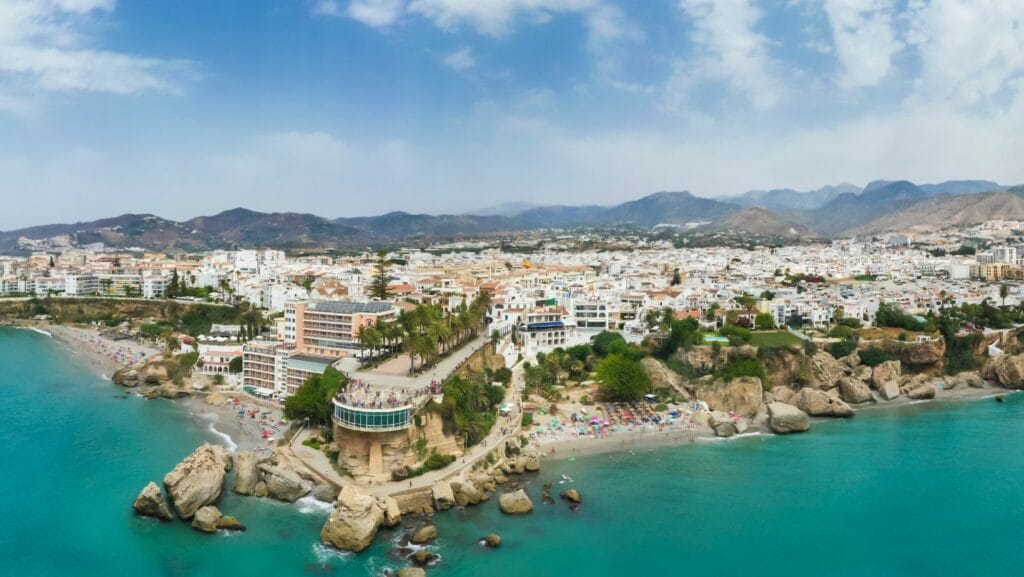
The leading figure in the east. The Balcony of Europe overlooking the sea, and at its feet small coves reached via narrow alleys —Calahonda, El Salón—, plus the large sandy beach at Burriana.
And just a few kilometres away, the Nerja Caves. All at what to see in Nerja y its best beaches and coves.
The far end of the province, and the most beautiful part of the whole coast. The district of Nerja, with its protected cliffs and hard-to-reach coves: Maro y El Cañuelo.
Clean water, few people and none of the urban development found elsewhere. Note: Access is restricted in summer, so it is advisable to check beforehand.
Those in this area, in the best beaches near Frigiliana.
The A-7 It stretches along the entire coastline. The C-1 commuter line It covers Málaga, Torremolinos, Benalmádena and Fuengirola, so that part of the journey is done without a car. To get to the east, you need to go by car or intercity bus.
Tip: Don’t try to cover the whole coastline in one go. In stages, one day each, allow time for a bath and a meal.
We are a local tour operator based in Málaga with over 50 years’ experience organising trips around Andalusia, with pick-up points throughout the Costa del Sol: Málaga, Torremolinos, Benalmádena and Fuengirola.
The inland villages, in the villages of the Axarquía y the prettiest in Málaga.
Over 160 kilometres, from Manilva, on the border with Cádiz, to Maro, on the border with the province of Granada. It is divided into two sections with very different characteristics: the western Costa del Sol, with wide sandy beaches and a continuous promenade, and the eastern section, with a more rugged landscape and coves nestled between cliffs.
Fuengirola is the most convenient option: eight kilometres of almost uninterrupted sandy beach, calm waters and most of its beaches holding Blue Flag status. Carvajal beach also has a water park right on the shore. On the east coast, Rincón de la Victoria offers long beaches and a family-friendly atmosphere, just a quarter of an hour from Málaga.
Those on the western section, thanks to the C-1 commuter line, which connects Málaga with Torremolinos, Benalmádena and Fuengirola. To reach the east coast — Rincón de la Victoria, Torrox, Nerja or Maro — you’ll need a car or an intercity bus, as the train doesn’t go that far.
La Carihuela is about two kilometres long. It encompasses the old fishing district of the same name, which explains its concentration of beach bars and its reputation for fried fish and skewers. Next in size are El Bajondillo, right in the centre, Playamar and Los Álamos.
Yes. The best known is Las Viborillas, in the western part of Benalmádena, where Benalnatura is situated. It is a small cove with a mixture of gravel and sand, much loved by divers for the underwater vegetation. It’s worth bearing this in mind, as it’s often recommended without this detail being mentioned.
The western stretch, from Torremolinos to Manilva, is home to the large urban sandy beaches, with a continuous promenade, a full range of facilities and local rail links. The eastern stretch, from Rincón de la Victoria to Maro, has a more rugged landscape, with coves sheltered between cliffs, fewer visitors and more difficult access.