In Tangier, you shop at the medina, and within it lies the souk. Handicrafts, leather, spices, carpets and silver – almost everything no fixed price.
But before you exchange money, read this.
This is the most important piece of advice, and hardly anyone gives it. The Moroccan dirham it is not convertible:
What to do, especially if you’re going on a day trip:
The reference: around 10–11 dirhams to the euro. The banknotes are in denominations of 20, 50, 100 and 200.
Many stalls accept euros, but the exchange rate they offer is usually less favourable. It’s convenient for small purchases; for a rug, it isn’t.
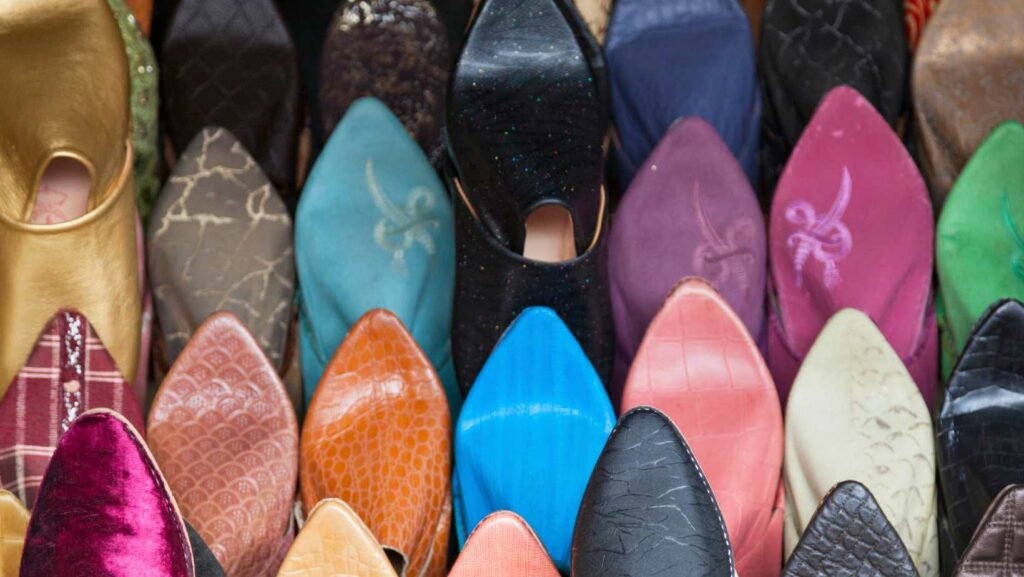
It’s the best thing about Morocco and the easiest to bring back. Bags, purses, belts, pouffes and colourful slippers.
How to check the quality: smell the skin —naturally tanned leather smells of leather, not chemicals— and fold it: if it cracks, it’s no good. And try on the slippers, because the sizes do not correspond to European sizes.
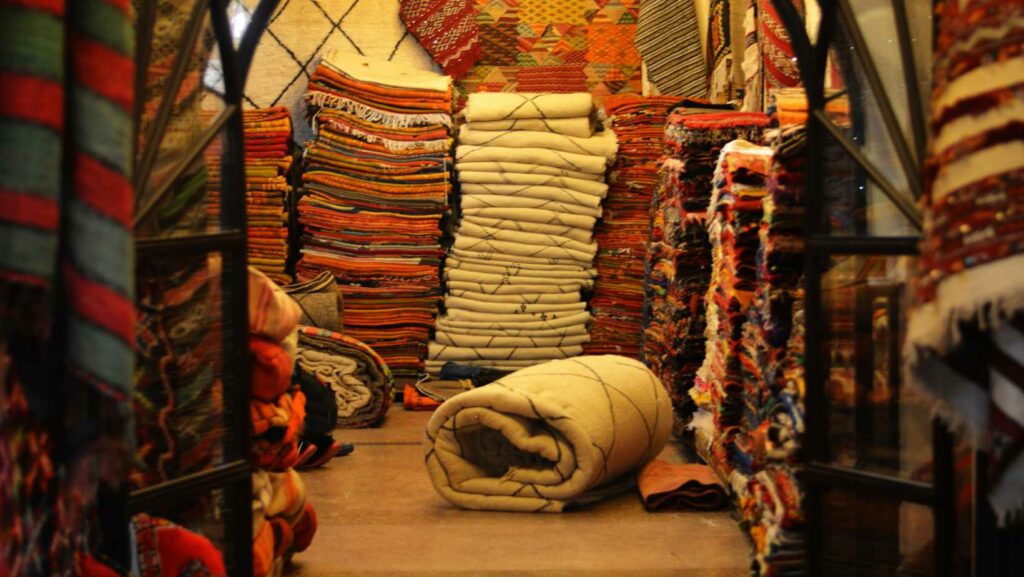
The most expensive purchase and the one that requires the most care. There are three types: hand-knotted wool, kilim —plain weave, which is lighter and easier to carry— and colourful blankets.
What to look out for: calls for the unfold completely y take a look at the back: the denser and more even the knots, the better. The price depends on the size, the density and whether it is genuinely handmade.
And to do this, consider shopping outside the souk, through a cooperative with a fixed price. You pay a bit more, but you get a guarantee of origin.
They are sold in bulk, in heaps. Cumin, turmeric, paprika, saffron and the mixture After the hanout.
Buy a small amount and have a sniff first: You can tell straight away when a blend is fresh. Cheap saffron is almost never real saffron.
And the classic one: green tea with mint, which you can buy next to the teapots and glass tumblers.
Hand-painted plates and bowls, openwork brass and copper lamps and embossed trays.
Before paying, check that the enamel is free from cracks. And bear in mind the weight: lamps and trays look lovely, but they take up space and are heavy.
Bracelets, rings, brooches and necklaces featuring coloured stones and symbols such as the Hand of Fatima. Also amber and beads.
Take note here: It isn’t always solid silver. Question on the law of metals and be wary of anything that’s too cheap.
The quintessential Moroccan product, for skin and hair, alongside handmade soaps.
Distinguish between food and cosmetics: The one used in cooking is toasted and smells of nuts; the cosmetic version is lighter in colour and almost odourless. If you’re sold one as the other, something’s not quite right.
Jellabas and kaftans, as well as scarves and shawls made of wool or cotton. Lightweight and easy to pack.
There are plenty of them in the medina, particularly when it comes to clothes, sunglasses and handbags, and it’s worth making that clear.
It’s not a good idea to buy them: counterfeits are seized at customs when returning to the European Union, and the traveller may end up with an administrative problem over a bag.
And there is a practical reason: for the price of a knock-off, you get a handmade item of leather or pottery, which is a true memento of Tangier and doesn’t give you any nasty surprises when you get back.
Let’s clear up something that always causes confusion: the souk it’s inside in the medina; it’s not a separate place. And there are two:
And a tip on pricing: the posts from inside the medina They tend to have narrower margins than those on the main streets, because there is more competition. The further you get from the entrance, the better the price.
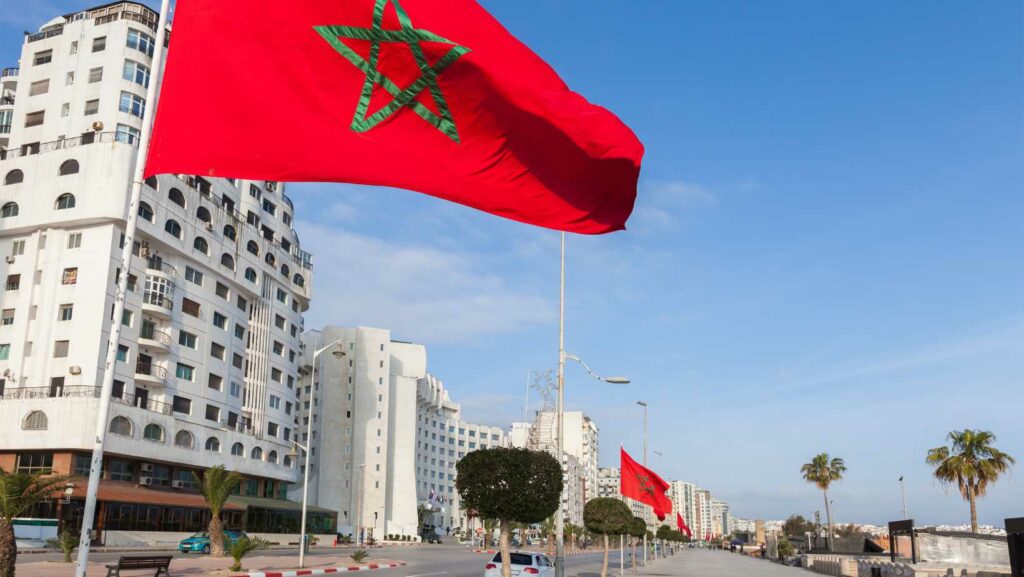
If you don’t fancy haggling, the new city has specific options:
You pay a little more, but for valuable items — such as carpets and jewellery — the guarantee of origin is worth it.
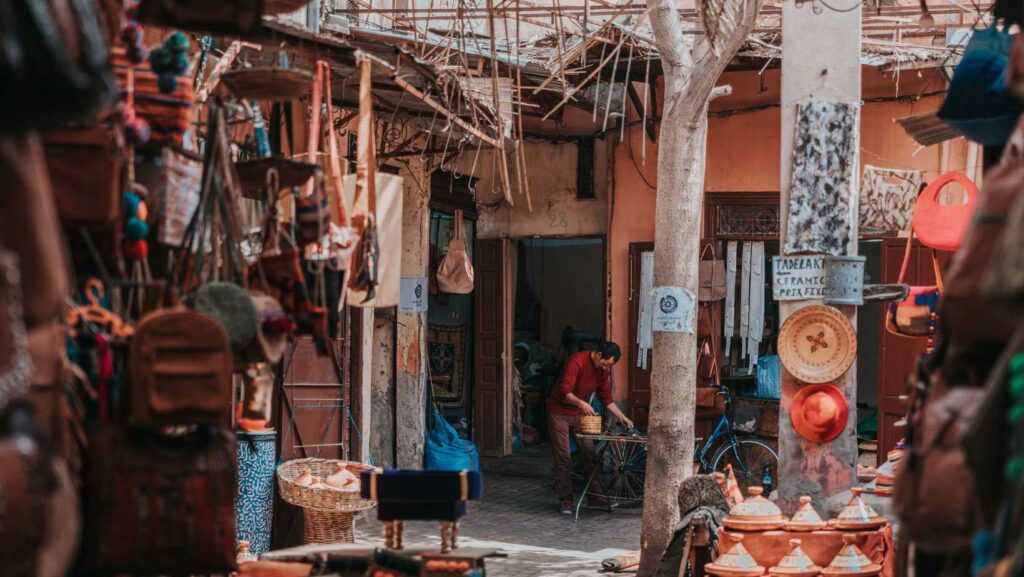
It’s expected of you, so it’s not rude. The method:
Two tips that work:
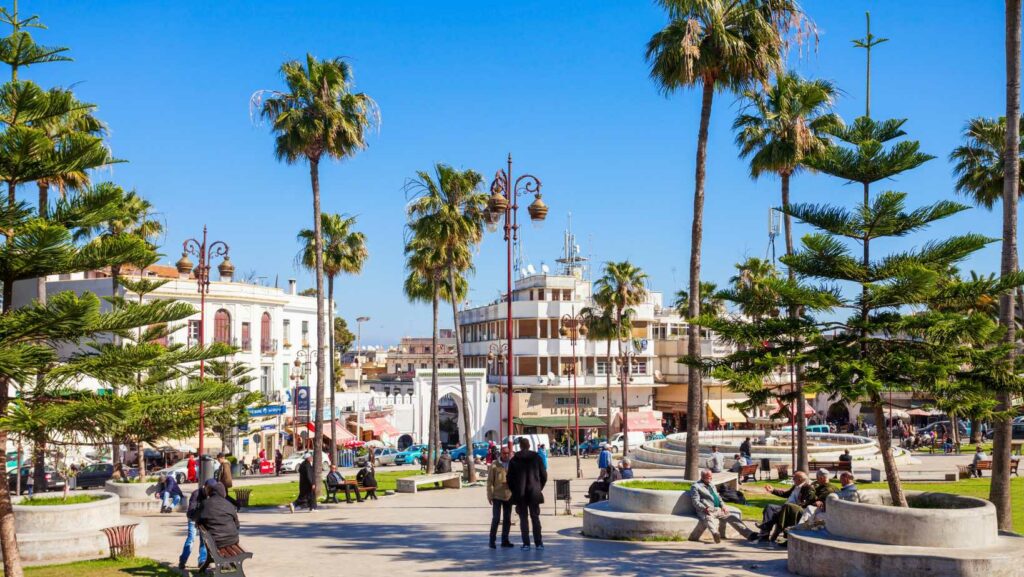
We are a local tour operator based in Málaga with over 50 years’ experience organising trips around Andalusia. The trip involves a ferry crossing from Tarifa and includes a local guide for the medina:
What is included: return ferry journey, sightseeing tour with a stop outside the The Caves of Hercules —where you can go for a camel ride—, a guided tour of the medina and shopping in the souk.
And here’s the dirham warning again: on a day trip exchange very little or pay in euros, because you won’t have time to spend whatever you exchange in excess or to convert it at your leisure.
Don’t forget your passport: A border is crossed. More about the city at What to see in Tangier in 3 days, and of the country in The Morocco Guide.
For the palate: Moroccan artisan sweets y traditional drinks.
Leather and slippers, Berber rugs, spices and green tea with mint, hand-painted pottery, brass lamps, Berber silver and argan oil. Leather and textiles are the easiest to transport; rugs and lamps are the heaviest and take up the most space.
No more than 1,000 dirhams, and in practice they are of no use: the dirham is not convertible outside Morocco and European banks do not exchange it. It is best to exchange only what you intend to spend, keep the exchange receipt and re-exchange any surplus before leaving the country.
In many places, yes, but the exchange rate they apply is usually worse than the official rate. It’s convenient for small purchases; for more valuable items, it’s best to pay in dirhams. Traditional markets only accept cash: cards are accepted in shopping centres and shops in the new town.
They are sold openly in the medina, but on returning to the European Union, counterfeit goods may be seized at customs and cause administrative problems for the traveller. For a similar price, you can buy authentic handicrafts — leather, ceramics, textiles — which also make for a genuine souvenir of your trip.
Ask the price, offer around half that amount, and gradually increase your offer until you reach a middle ground, always remaining calm and polite. Walking away without buying is perfectly acceptable. It helps to compare prices at several stalls before making a decision, and to go first thing in the morning or at the end of the day, when sellers are more willing to close a deal.
In the new part of town: the Ibn Batouta Shopping Centre, the area around Place de France, Rue de la Liberté and the Beni Makada Market. Prices are fixed and slightly higher than in the souk, but there is greater assurance regarding the origin and quality of the goods, which is particularly advisable when buying carpets and jewellery.