Zahara de los Atunes is a village in the municipality of Barbate, on the coast of the province of Cádiz, within the Costa de la Luz. It is an old fishing village known for its fine sandy beaches opening out onto the Atlantic and for bluefin tuna caught using the almadraba method, a traditional fishing technique that defines its cuisine. Below you’ll find 10 things to see and do in Zahara de los Atunes, ranging from the beaches and sunsets over the ocean to the old town, the nearby nature reserve and water sports.
You usually get there via the A-48 between Cádiz and Algeciras, taking the turn-off from the A-2231 near Barbate; the nearest towns with amenities are Barbate, Vejer de la Frontera and Conil. The best time to enjoy the beaches is from May to October, when temperatures are mild and the sea is calm, whilst spring and autumn are good times for hiking and for avoiding the summer crowds. If you’d like to extend your route in the area, you can combine your visit with What to see in Conil de la Frontera and with What to see in Vejer de la Frontera, two villages on the same stretch of coastline.
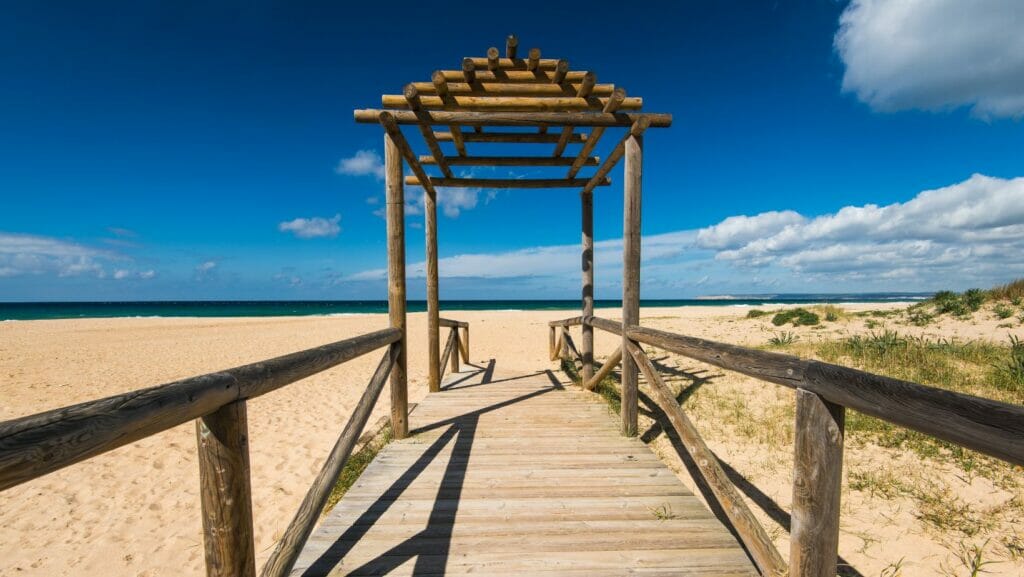
Zahara Beach is the town’s main beach: over eight kilometres of fine, golden sand stretching southwards to Zahara de Atlántico (Atlanterra). It opens out onto the ocean, with variable waves and plenty of space even in high season. Along the seafront, there are beach bars, a promenade and direct access from the town centre, with beach bars where you can sample Cadiz’s cuisine; as you head towards Atlanterra, the stretches of beach become less crowded.
There is one local detail worth noting: thanks to its orientation, this beach is one of the best in the area for to seek shelter from the easterly wind. If you’re staying nearby and the Levante is blowing strongly, you’ll find better conditions here than at other sandy spots in the area. We’ll tell you more about it in the guide to what to do in Tarifa with an easterly wind.
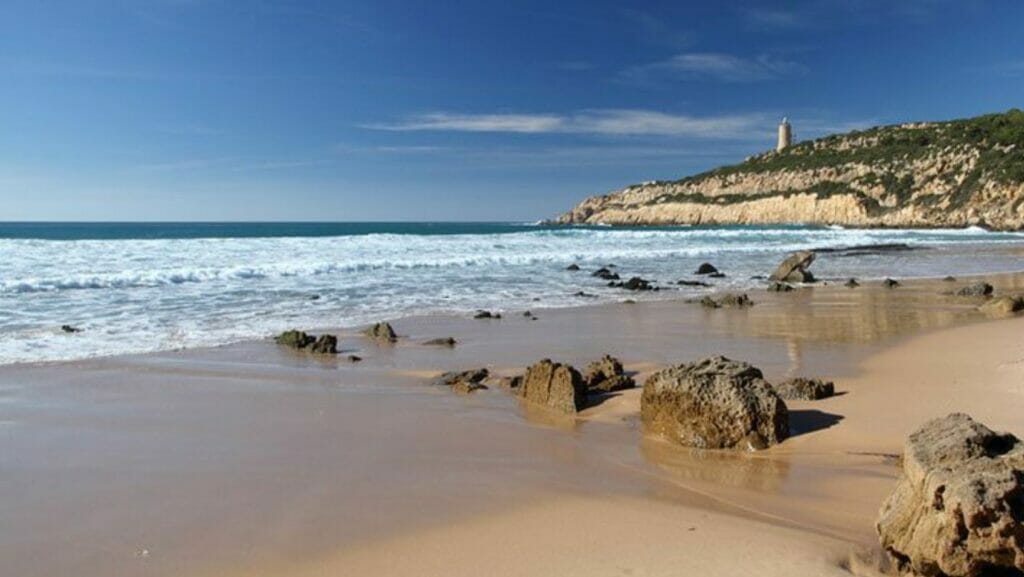
Playa del Cañuelo is a more secluded cove situated to the south of Zahara, near Cabo de Plata, surrounded by cliffs and Mediterranean vegetation, with access on foot via a path from the car park in the Atlanterra area. Its west-facing position makes it one of the best spots in the area for watching the sun set over the Atlantic.
It offers a more natural and unspoilt experience than the city beach, making it ideal for getting away from the crowds. It’s a good idea to check the time of sunset and the tide before heading down, as access is a little more challenging.
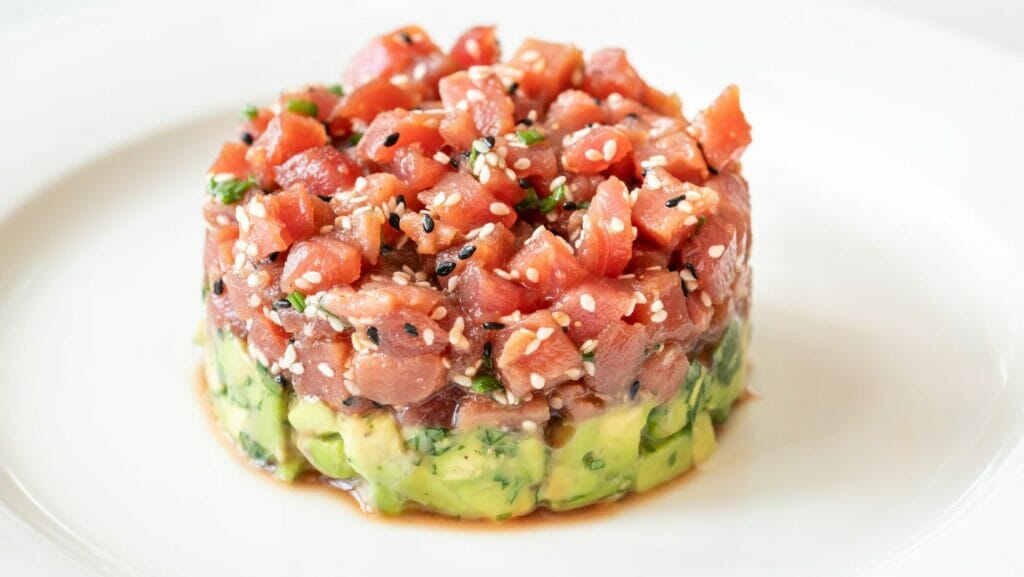
Bluefin tuna from Zahara is caught using the troll net, a fishing method of Phoenician and Roman origin consisting of a labyrinth of fixed nets set up each spring to intercept tuna as they migrate from the Atlantic to the Mediterranean. The fishing season is concentrated between April and June.
In the village’s restaurants, you’ll find tuna prepared in many different ways: tartare, tataki, mojama —salted and cured tuna—, ventresca, the traditional tuna with onions or the tuna and potato stew. And apart from the tuna, don’t leave without trying the fried fish and the stinging nettles, a truly Cadiz-style treat for adventurous palates.
If you are a wine lover, you can take a trip to Jerez de la Frontera from Zahara de los Atunes and taste the typical wines of Jerez.
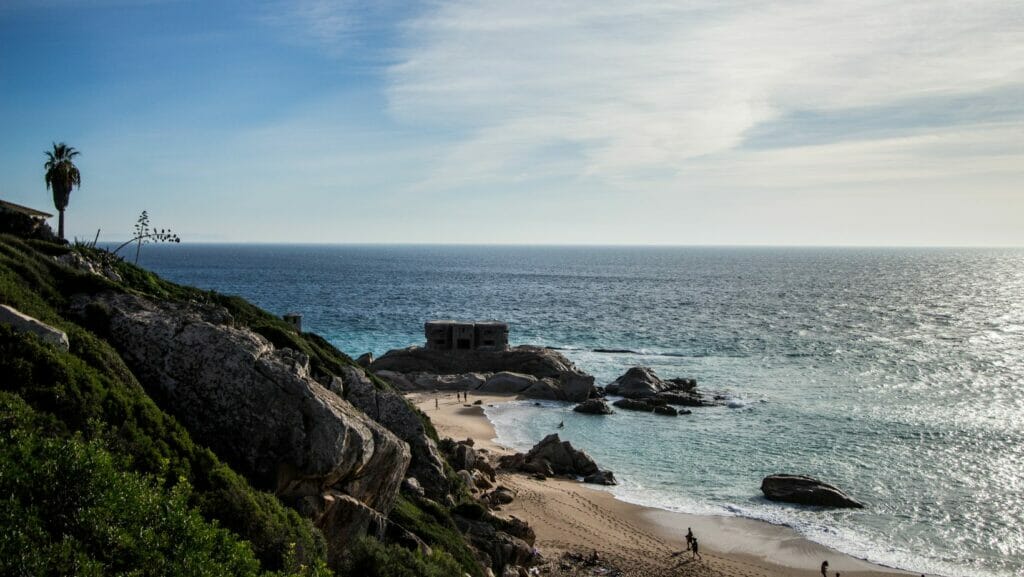
In the Atlanterra area, next to an old coastal bunker, the ebb tide reveals natural pools and rock pools amongst the rocks. It is a beach of sand and rock, more sheltered than the open sea, ideal for a peaceful swim and for observing the coastal marine life. It is also a good alternative when the easterly wind is blowing strongly.
To get there, you have to go down a steep stone staircase, and swimming in the pools depends entirely on the tide: at high tide they are covered, so it is a good idea to check the tide table for that day.
As a point of interest, there are several distinctive villas in the area that catch visitors’ attention: the one known as ‘UFO’, because of its unusual appearance, and the ‘Entrerocas’, built, quite literally, between two large stones.
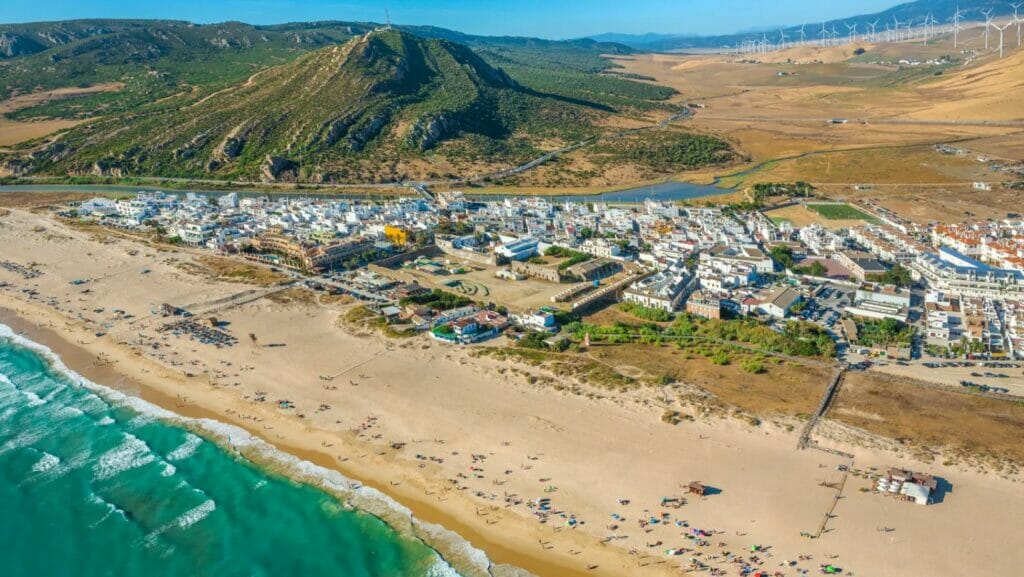
The old town retains the layout of the old fishing village, with narrow streets, low, whitewashed houses and a traditional atmosphere. Its main landmark is the Almadrabas Castle, also known as the Palacio de las Pilas, a 16th-century building erected by the House of Medina Sidonia to store and process tuna caught in the almadraba; the castle and remains of the walls from this structure are still standing.
Next to him is the Church of Carmen, dedicated to the town’s patron saint, the Virgin of Carmen. It was built between the 16th and 17th centuries and its origins are linked to the castle itself: the Dukes of Medina Sidonia converted an old salting house into a chapel in which to hold their religious services during their summer stays at the almadraba.
It isn’t a town with any major monuments, but a stroll around it gives you an insight into its origins and goes hand in hand with a stop at the squares and tapas bars in the town centre.
Discover all the excursions from Zahara de los Atunes you can do:
Excursion to Gibraltar from Zahara de los Atunes
Excursion to Gibraltar with dolphin sighting from Zahara de los Atunes
Excursion to Ronda and Setenil de las Bodegas from Zahara de los Atunes
Excursion to Cádiz and Jerez de la Frontera from Zahara de los Atunes
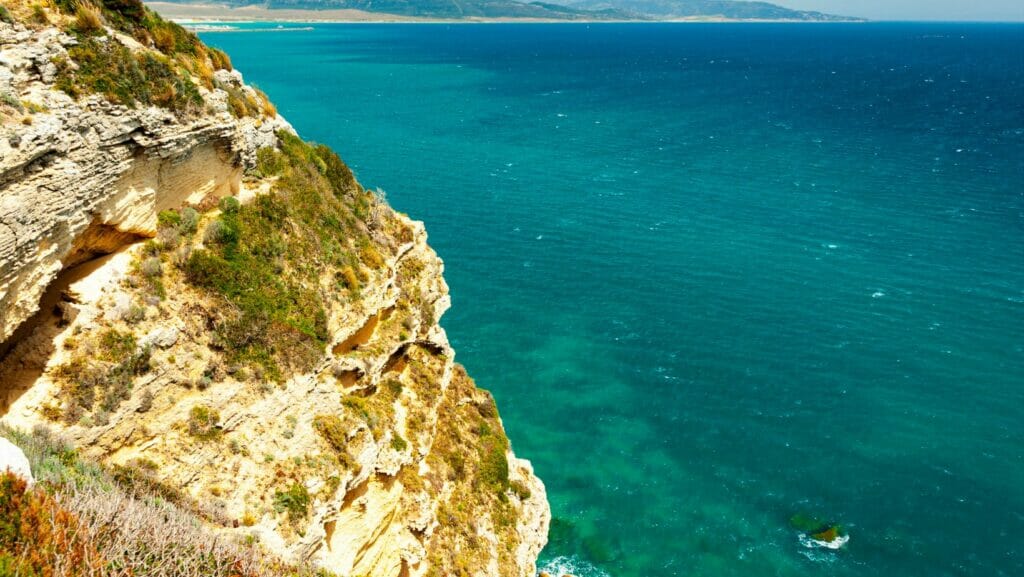
Very close to Zahara lies the Breña and Marismas del Barbate Natural Park, a protected area that combines sea cliffs, a stone pine forest and marshland. It features signposted trails, such as the Cliff Trail, with viewpoints overlooking the Atlantic, and it’s a good area for birdwatching.
This is a highly recommended excursion that combines the coast and the countryside, accessible from Barbate or Los Caños de Meca. At its far end lies the Cape Trafalgar, linked to the naval battle of 1805 and now a much-visited lighthouse and sandbank.
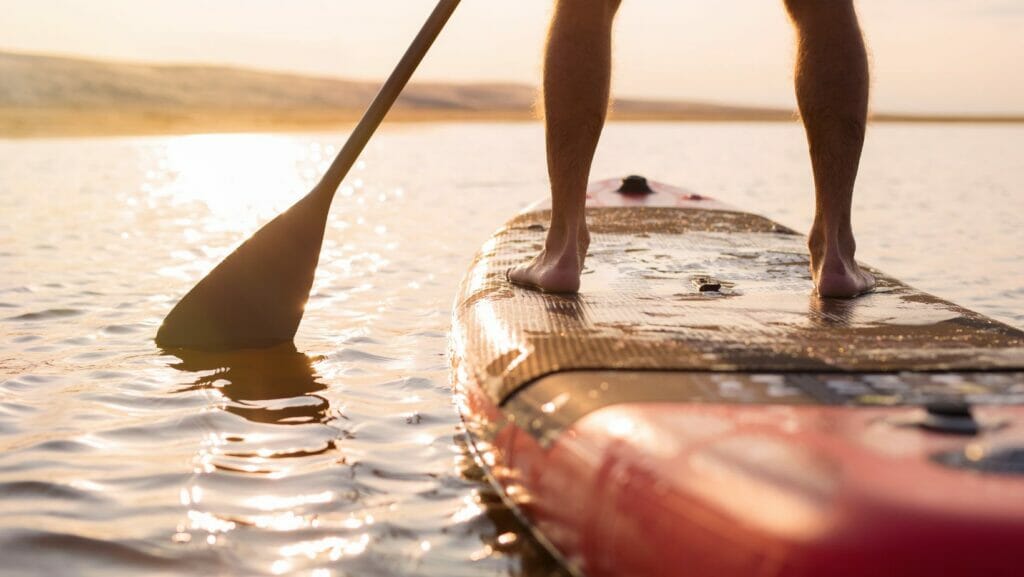
The westerly and easterly winds that blow along this stretch of the Costa de la Luz make it ideal for water sports. On the beaches of Zahara and Atlanterra, stand-up paddleboarding, kayaking and windsurfing are common, and, depending on the conditions, surfing and kitesurfing – the latter being particularly popular in nearby Tarifa.
There are schools and seasonal equipment hire outlets for those who want to take up the sport or get out on the water with their own kit.
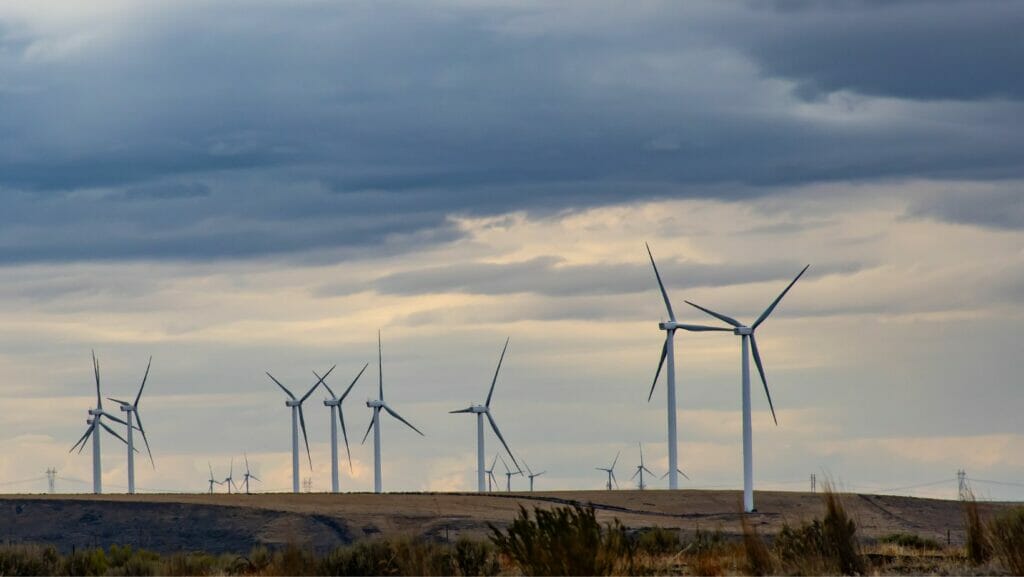
In the area around Vejer de la Frontera and the countryside near Zahara, the following are preserved: flour mills traditional windmills, which bear witness to the use made of the area’s constant winds and to the importance they held for the local economy for centuries. Some have been restored and are open to visitors.
The route between them combines rural heritage with sweeping views of the coast and the countryside, and forms one of the most recognisable landscapes in this part of Cádiz. It’s a peaceful way to spend a morning, ideal in spring or autumn.
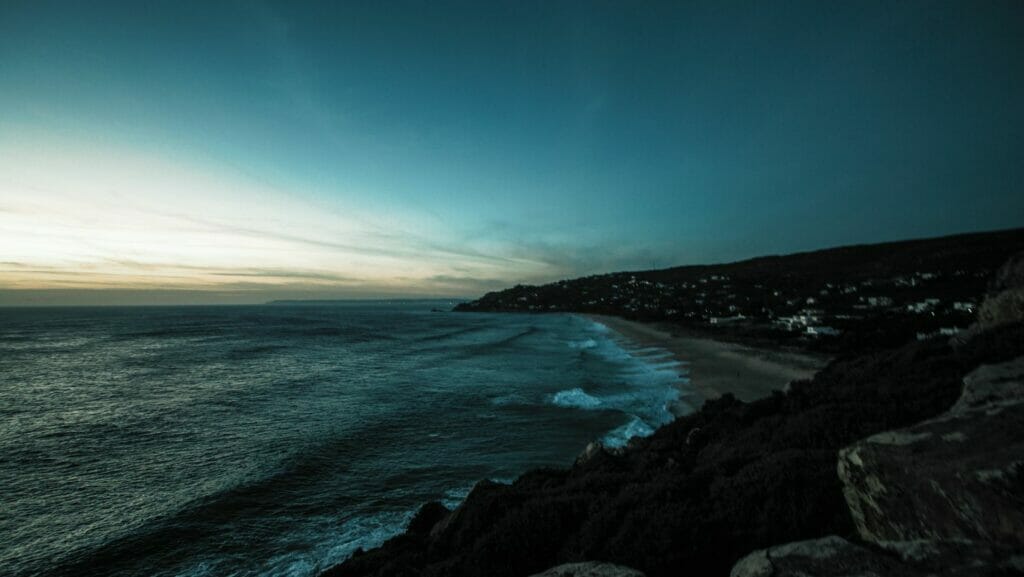
The low levels of light pollution along much of the coastline and in the surrounding inland areas make Zahara an ideal place for stargazing, particularly on the beaches and in areas away from the town centre. On clear summer nights, the Milky Way can be seen with the naked eye.
The best time of year is the nights in mid-August, coinciding with the Perseids, the best-known meteor shower of the summer. All you need to do is get away from the town lights, lie down on the sand and wait for your eyes to adjust to the darkness.
Zahara is one of a number of towns on the Costa de la Luz that are easy to combine into a single getaway. Barbate, the municipality to which it belongs, is the gateway to the nature reserve and a fishing port with a long tradition of tuna fishing. Conil de la Frontera is renowned for its long beaches and coves, whilst Vejer de la Frontera It is situated on a hill and features a walled historic centre dating back to the Middle Ages.
You can expand your planning with What to see in Conil de la Frontera, What to see in Vejer de la Frontera and, a little further north, What to see in Cádiz.
If you’d prefer to explore the province without having to worry about transport, the organised day trips include a pick-up service in the area and cover return transport, a Spanish- and English-speaking guide to accompany you during the journey, free time at each destination and, depending on the option chosen, guided tours and admission to monuments.
From here, you can visit Cadiz y Jerez de la Frontera, explore the white villages with Ronda y Setenil de las Bodegas, to know Gibraltar, cross over to Morocco or go hiking in the Caminito del Rey. These are the options available:
In Zahara de los Atunes, you can visit Zahara Beach and the Atlanterra area, Cañuelo Beach at sunset, the natural pools by the bunker, and the old town with the Castillo de las Almadrabas and the Iglesia del Carmen. Nearby are the Breña and Marismas del Barbate Natural Park and Cape Trafalgar. You can also try bluefin tuna caught using the almadraba method, take part in water sports and stargaze.
You usually get there via the A-48 between Cádiz and Algeciras, taking the turn-off onto the A-2231 near Barbate. The nearest towns with amenities are Barbate, Vejer de la Frontera and Conil. The best time to visit the beaches is from May to October, when temperatures are mild and the sea is calm.
The main one is Zahara Beach, with over eight kilometres of fine, golden sand stretching southwards to Zahara de Atlántico (Atlanterra). Cañuelo Beach is a more secluded cove, facing west and ideal for watching the sunset over the Atlantic. In the Atlanterra area, next to the bunker, the ebb tide reveals natural pools perfect for a peaceful swim.
Zahara’s bluefin tuna is caught using the almadraba, a fishing method of Phoenician and Roman origin that consists of a labyrinth of fixed nets set up each spring to intercept the tuna as it migrates from the Atlantic into the Mediterranean. The season runs from April to June. In the village’s restaurants, it is prepared in many different ways, such as tartare, tataki, mojama, ventresca or the traditional ‘atún encebollado’ (tuna with onions).
When the Levante blows strongly, the most sheltered options are Zahara Beach itself, along the town frontage, and Búnker Beach, in the Atlanterra area, where the combination of sand and rock and the natural pools offer better conditions than the open sea. This is one of the reasons why those staying in Tarifa make their way here on the windiest days.