The Axarquia It is the region to the east of Málaga, between the city and the province of Granada: 31 local authorities spread between the coast and the Tejeda, Almijara and Alhama mountain ranges.
Regional tourism is organised by five official themed routes, each with its own villages and local speciality. Here are the five, with their exact composition, because they tend to get rather mixed up.
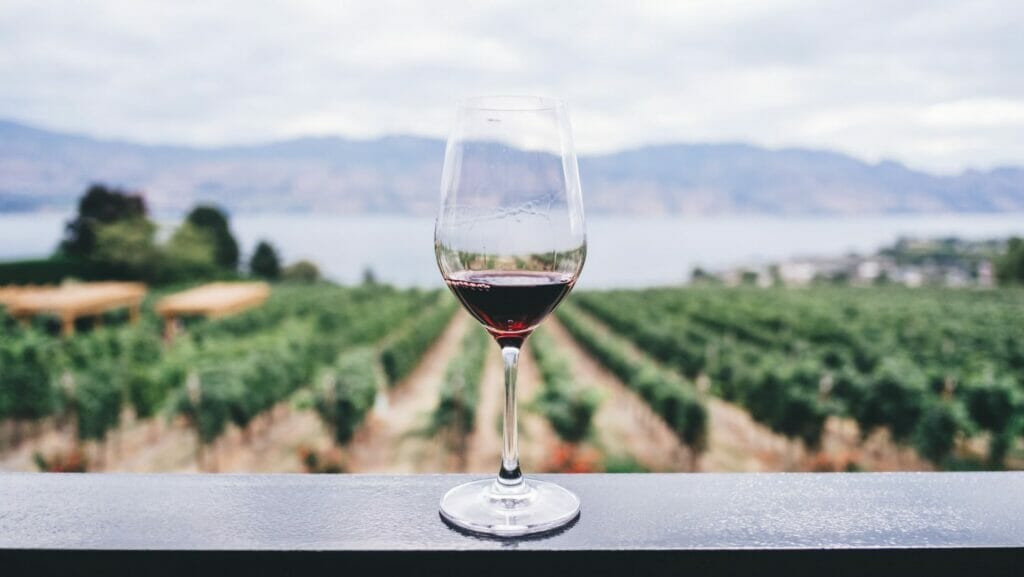
62 kilometres y six villages: Totalán, Comares, Cútar, El Borge, Almáchar and Moclinejo.
What you can see: the songbirds, the drying rooms where Muscat grapes are turned into raisins in the sun. And there’s one detail you notice when you look at them: they always face south-east, situated on the hills to make the most of the sunshine.
Comares It crowns the route from the top of a hill, with narrow streets in the Andalusian style and views over the whole region.
When to go: in September, which is when the villages hold their festivals in honour of sultanas and Muscatel wine.
40 kilometres y five inland villages: Arenas, Árchez, Salares, Sedella and Canillas de Aceituno.
Why this route exists: the Christian conquest of the Axarquía it did not arrive until 1487, and many Hispanic Muslims subsequently remained under Castilian rule. They were known as Mudejar, from the Arabic mudayya, and it is the architecture that has been preserved here.
What to look for:
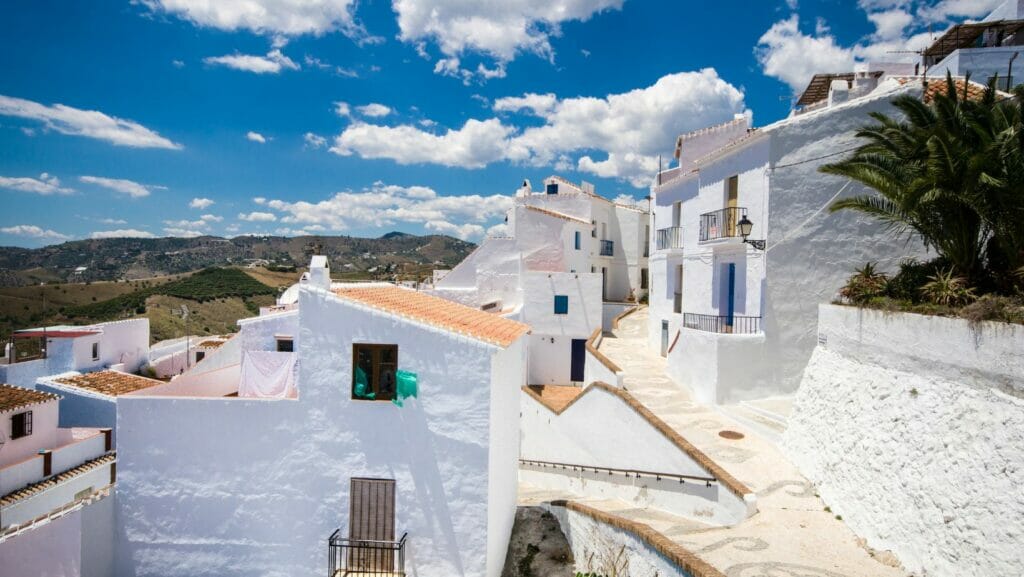
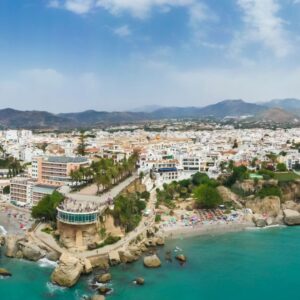
Seven local authorities, from the mountains to the sea: Algarrobo, Sayalonga, Cómpeta, Canillas de Albaida, Torrox, Nerja and Frigiliana.
Bear this in mind, as it’s often got wrong: Nerja and Frigiliana are part of this route, not the one in Aguacate. This is the most common misconception about the region.
It is the most comprehensive route precisely for that reason: it brings together the mountain wine-producing villages with the two most visited destinations in the Axarquía.
If you’re here in August, don’t miss out on the 3 Cultures Festival in Frigiliana. And for the bathroom, the nearby beaches.
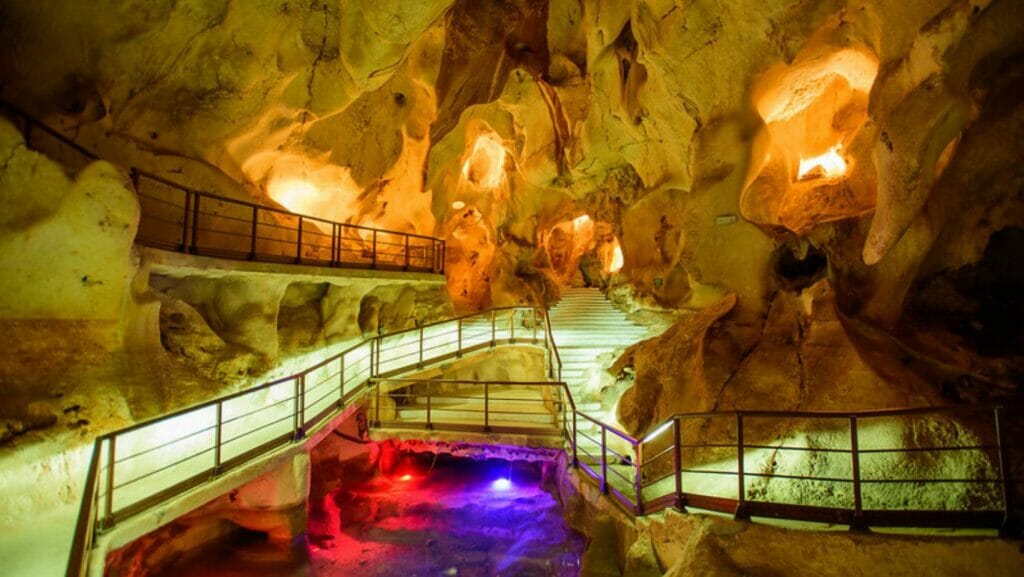
75 kilometres y six local authorities: Rincón de la Victoria, Macharaviaya, Vélez-Málaga, Benamocarra, Iznate and Benamargosa.
It is the closest to Málaga city centre, stretching from the beaches of Rincón de la Victoria to the subtropical crops of Benamargosa: avocados, mangoes, papayas and cherimoyas.
What you can’t miss:
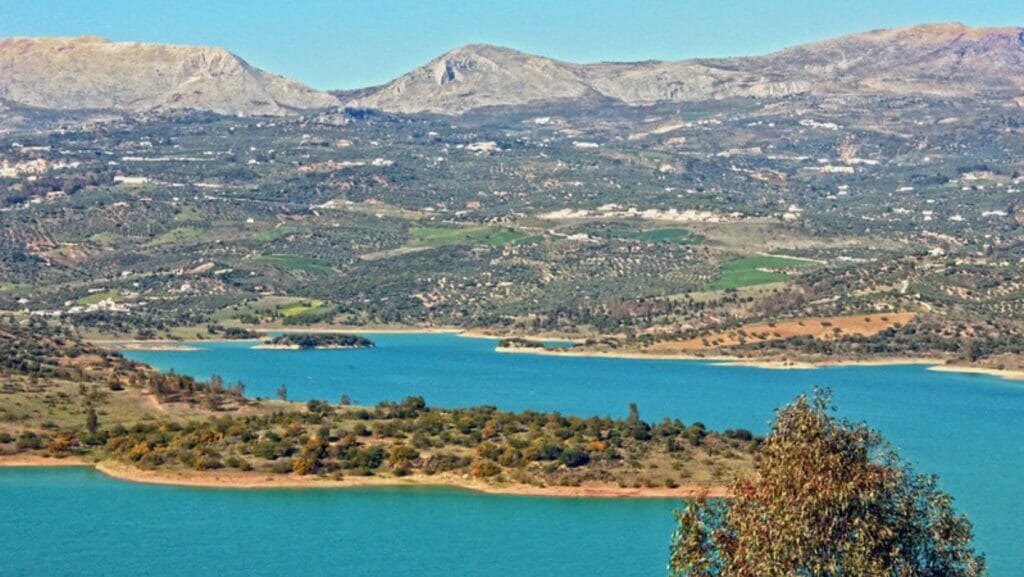
Seven mountain villages: Riogordo, Colmenar, Alfarnate, Alfarnatejo, Periana, Alcaucín and La Viñuela.
Olive groves, pastures and mountains. Alfarnate and Alfarnatejo are the highest villages in the region, and they keep a record of past road sales.
When it comes to food, here’s the best bit: on Verdial oil from Periana and its peaches, the goat’s cheese also from Periana, and Colmenar’s cured meats.
And the La Viñuela reservoir, the largest in Málaga, offering canoeing and fishing.
How to get there: by the A-45 from Málaga or, once within the region, via the A-356, the Arco Road.
By car: the A-7 It runs along the coast from west to east. From Málaga to Vélez-Málaga it is about 40 minutes. To get into the interior, take the local roads leading up from the A-7, or the A-45 and the A-356 for the northern area.
By bus: There are regular services to Vélez-Málaga, Torre del Mar and Nerja, but Inland villages have very limited frequencies. For mountain trails, car journeys or day trips.
We are a local tour operator based in Málaga with over 50 years’ experience organising trips around Andalusia. The day trip to Nerja and Frigiliana takes in the two most popular villages in the region as a day trip, with transport from Málaga and the Costa del Sol:
More white villages in The Route of the Five White Villages y the prettiest in Málaga. For the coast, towns with beaches.
And the city, in What to see in Málaga in three days.
The region comprises 31 municipalities to the east of Málaga, between the Mediterranean coast and the Tejeda, Almijara and Alhama mountain ranges. The region’s tourism board has grouped them into five official themed routes: the Raisin Route, the Mudejar Route, the Sun and Wine Route, the Sun and Avocado Route, and the Olive Oil and Hills Route.
The Sun and Wine Route, together with Algarrobo, Sayalonga, Cómpeta, Canillas de Albaida and Torrox. It is a common mistake to confuse these with the Sun and Avocado Route, which actually comprises Rincón de la Victoria, Macharaviaya, Vélez-Málaga, Benamocarra, Iznate and Benamargosa.
For a first visit, the Sun and Wine Route is the best choice, as it takes in Frigiliana and Nerja – the region’s two best-known destinations – both of which boast historic centres, beaches and mountain villages. If you’re looking for something a little less touristy, the Ruta de la Pasa allows you to visit its six villages in a single day, with Comares as the highlight.
The Raisin Route spans 62 kilometres across its six municipalities, whilst the Mudéjar Route covers some 40 kilometres across its five inland villages. The Sun and Avocado Route, the closest to Málaga city, stretches 75 kilometres from the beaches of Rincón de la Victoria to the farmland of Benamargosa.
A cave situated in Rincón de la Victoria, on the Sun and Avocado Route, which stands out as one of the very few caves of marine origin in the world that are open to visitors: it was formed by the action of the sea rather than by a river, as is usually the case.
In September, when the villages hold their festivals dedicated to raisins and Muscat wine. It is also the time of year when you can see the raisin-drying sheds in operation – the drying sheds where the grapes are turned into raisins in the sun, always facing south-east and situated on the hillsides.