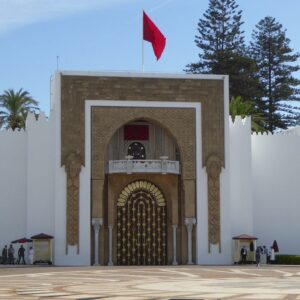
The medina of Tetouan has eight gates, but only seven are historic: the eighth opened much later, and for a rather mundane reason.
The eight, one by one, with the story behind each one and the neighbourhood it leads to.
In Arabic, ‘door’ is bab, and in Moroccan medinas they are not just a simple hole in the wall: point the way towards a specific destination —Tangier, Fez, Ceuta, the cemetery— and give way to a neighbourhood with a character all of its own.
And in Tetuán they have something extra: The medina has been designated A UNESCO World Heritage Site since 1997, and its Al-Andalus layout remains virtually intact.
The reason is its origin. Tétouan was refounded in the late 15th century and repopulated during the 16th century by Muslims and Jews expelled from the Iberian Peninsula, who brought with them their building techniques and craftsmanship. That is why it is called «the daughter of Granada».
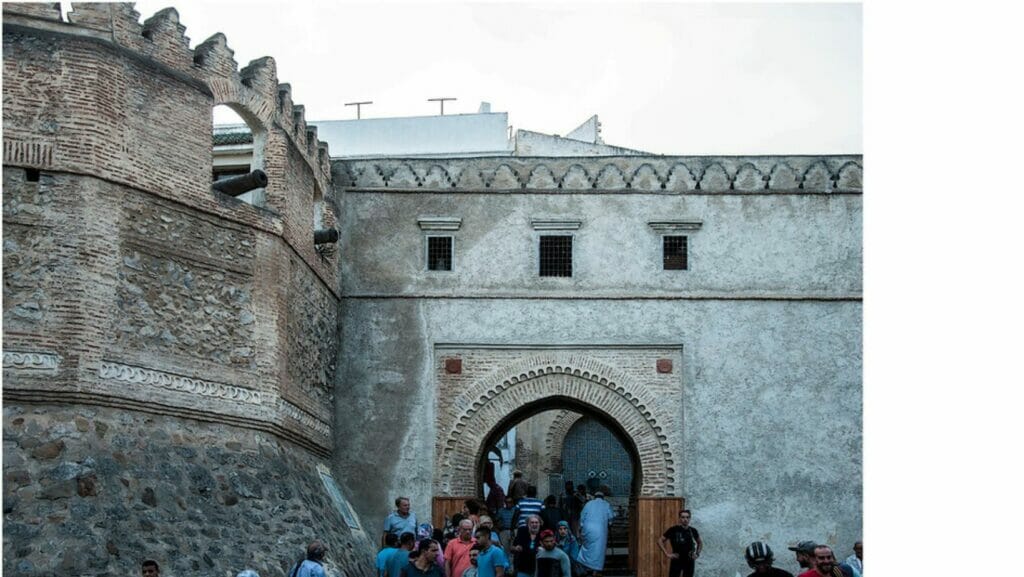
It is the best known and the usual starting point for visits.
And the name has a date: It is called the Queen’s Gate because Queen Isabella II’s soldiers stood guard here during the Spanish occupation of the city in 1860. It’s not a poetic nickname; it’s a specific incident.
What’s on the other side: On the left, you enter the Suica neighbourhood, the oldest part of the medina, where the Jadida Mosque, dating from the 17th century. From there, it leads into the streets of the Mellah.
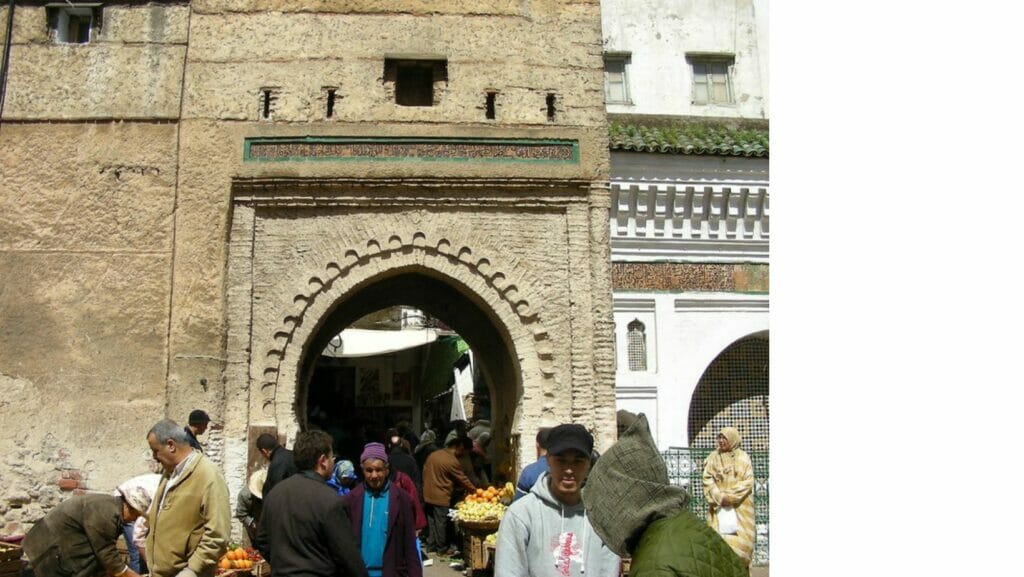
It is so called because the historic road to Tangier began there.
Bear in mind one thing: it is not in its original location. It was rebuilt when sections of the city wall were demolished during the Spanish Protectorate, which is why the section visible today is offset.
It is the liveliest door of all, with plenty of activity between the Old Town and the Ensanche district.
And it’s what’s inside that’s interesting: On the right, the Trankat Street, with stalls selling fruit, vegetables, meat and fish. This is where the locals shop, so it’s the least touristy part of the whole medina.
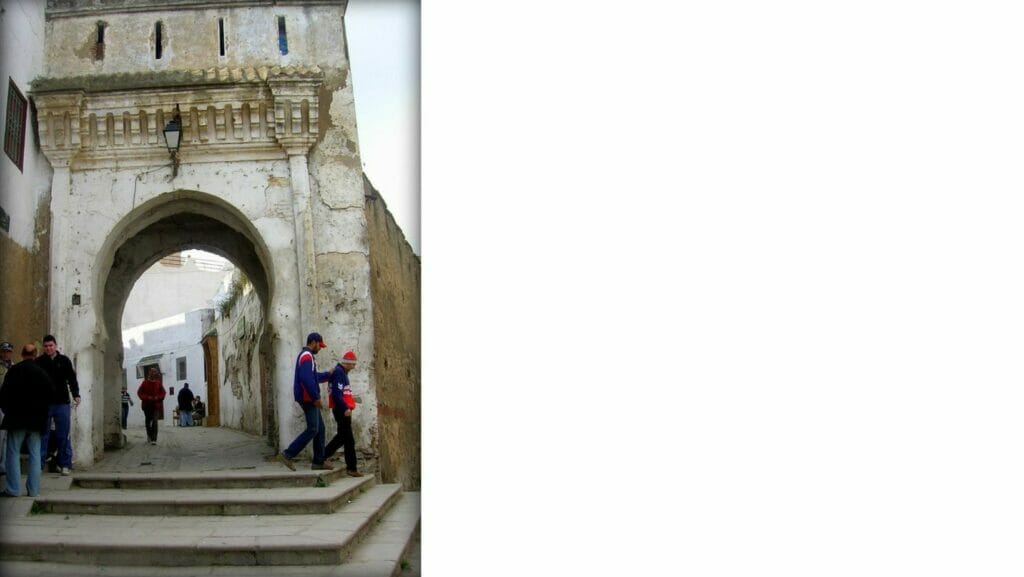
It is on the north side of the wall, and its Spanish name is San Fernando Gate.
A necessary clarification: it is widely claimed online that Bab Saida means «Gate of Happiness» because of its similarity to the Arabic word Saada. The name recorded in the documents is Puerta de San Fernando.
Provides access to the Blad neighbourhood, the most aristocratic part of the medina, where the finest mansions are to be found. And as you go further in, you come to the The Great Mosque, built in 1807, the largest in the old town.
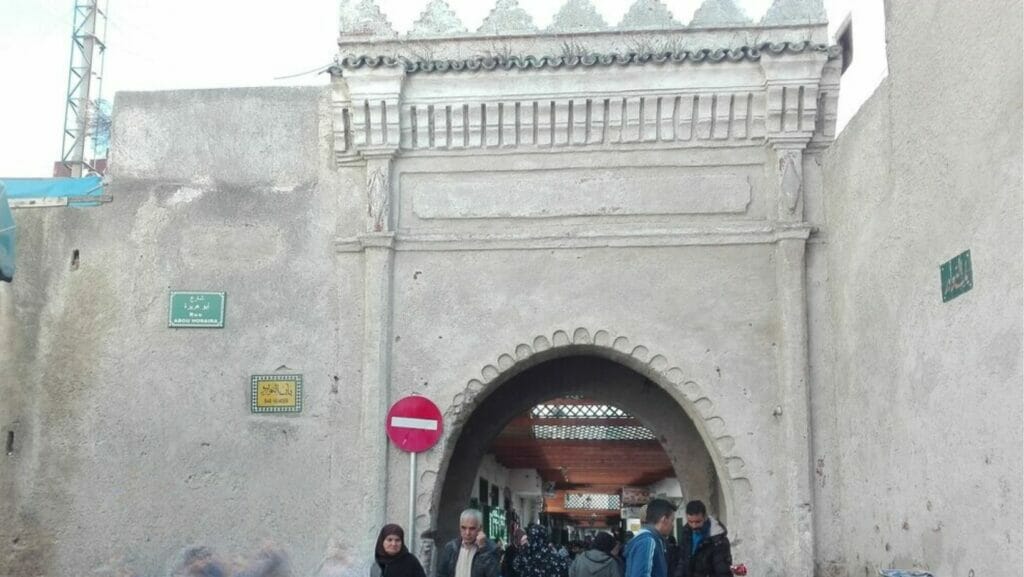
Also to the north, and with two names:
It marks the entrance to the Tranqat neighbourhood.
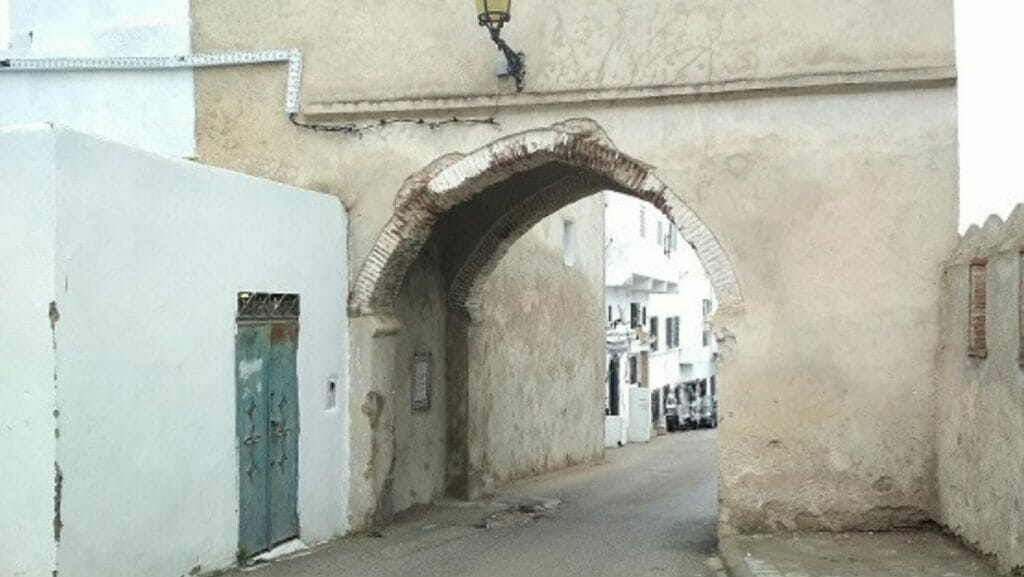
It is the most strategically important of the eight: is facing the sea and it was crucial to the city’s defence. The Spanish name comes from its main street, La Luneta.
And it leads into the Mellah, the old Jewish quarter next to the Feddan. Unlike the rest of the medina, Here, the streets are narrow but straight.
What to look for: the Bengualid Synagogue, which is still preserved today.
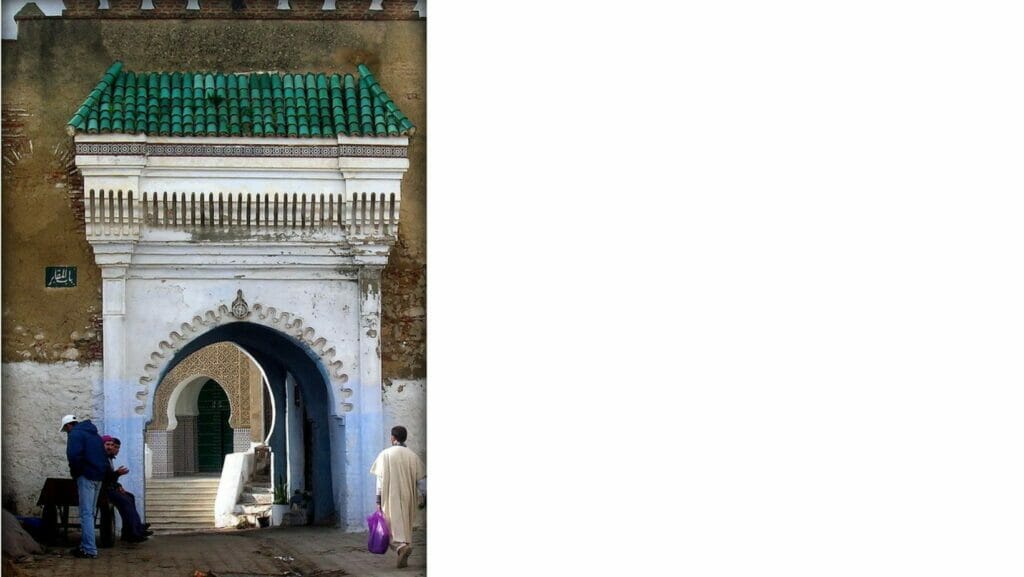
It leads to the Muslim cemetery, on the city’s hillsides, hence the name.
But it has a second name that hardly anyone mentions: In the 19th century, it became known as the Gate of Ceuta, because the road to the Spanish town starts from there.
From here, you can discover the very best in craftwork: the 16th-century tanneries and the Jarrafin Street, the one with the slippers.
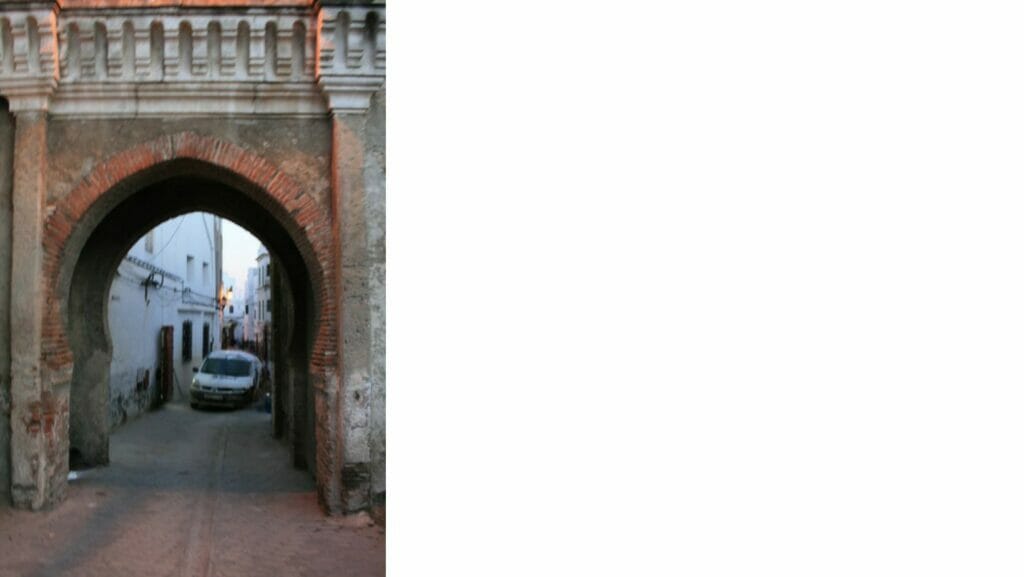
It is situated to the north-east, near the Jewish quarter, and dates from the 17th century.
And its story is the most unique of the eight: remained closed y It was only opened to allow the Jewish community’s funerals to take place. It is the only one with such a specific function.
Today, that cemetery is completely walled off.
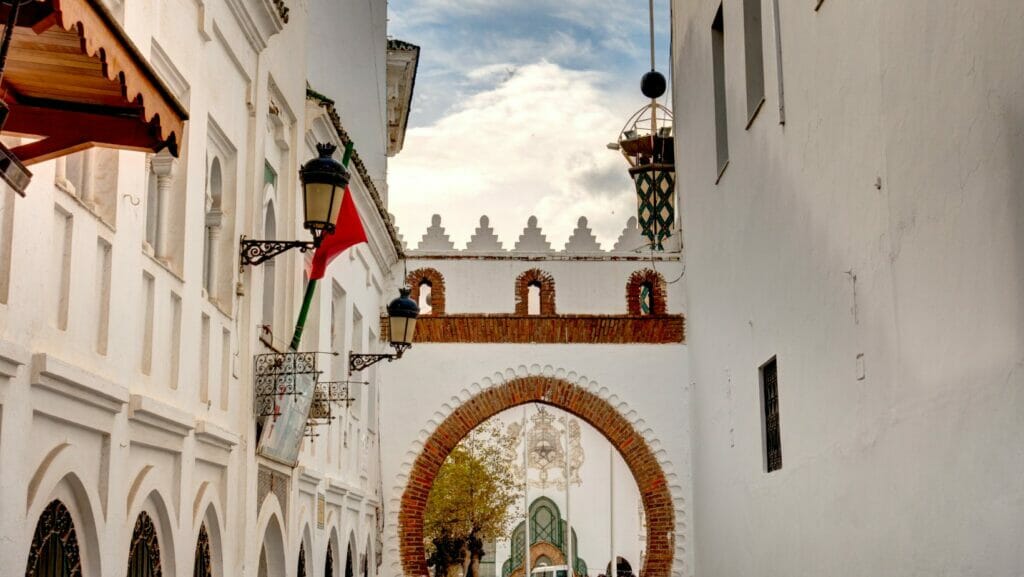
This is the one that gets left out of the tallies, and quite rightly so.
It is a relatively modern building, is next to the Royal Palace y It was opened to regulate traffic. That’s the reason, without any sense of drama whatsoever.
That is why many sources mention seven gates and others mention eight: the seven historic ones They are the ones mentioned above, and Bab Rouah is the eighth in numerical order, not in terms of age.
That said, architecturally it is striking and is situated in one of the most photographed areas of the city.
| Door | Spanish name | Make way for |
|---|---|---|
| Bab el Okla | Puerta de la Reina | The Suica neighbourhood and the Yadida Mosque |
| Bab Tut | Tangier Gate | Trankat Street, local market |
| Bab Saida | San Fernando Gate | Blad Quarter and the Great Mosque |
| Bab Nuader | Gate of Fez / Gate of the Regulars | Tranqat neighbourhood |
| Bab Remuz | Luneta Gate | The Mellah and the synagogue |
| Bab Mqabar | Cemetery Gate / Ceuta Gate | Tanneries and Calle Jarrafin |
| Bab Jiaf | - | Jewish Quarter (burials) |
| Bab Rouah | Gate of the Winds | Royal Palace. Not historical |
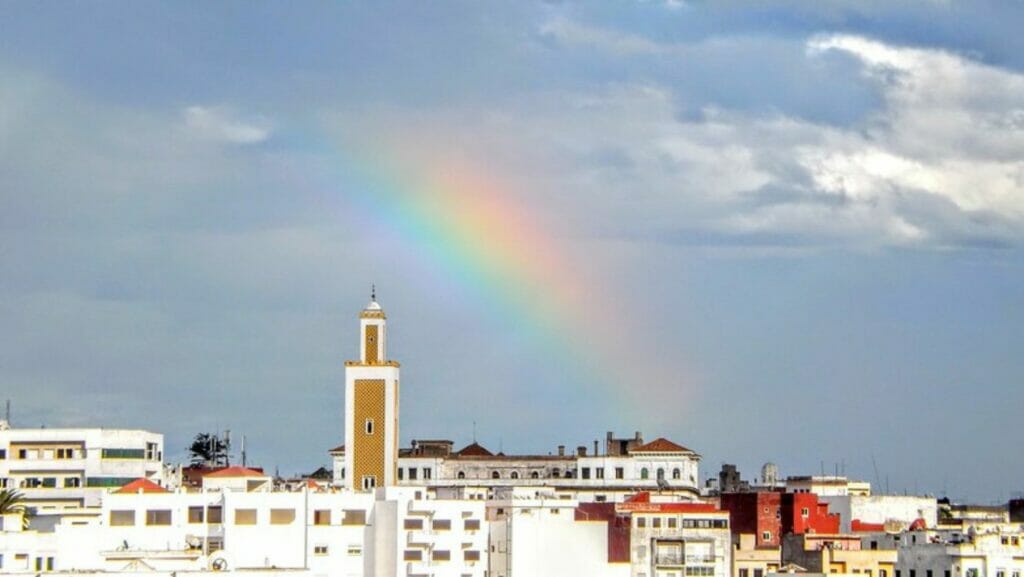
The medina lies at the foot of Mount Dersa and it is a maze of narrow streets, ramparts and small squares. As well as the gates:
Full details at what to see in Tetouan.
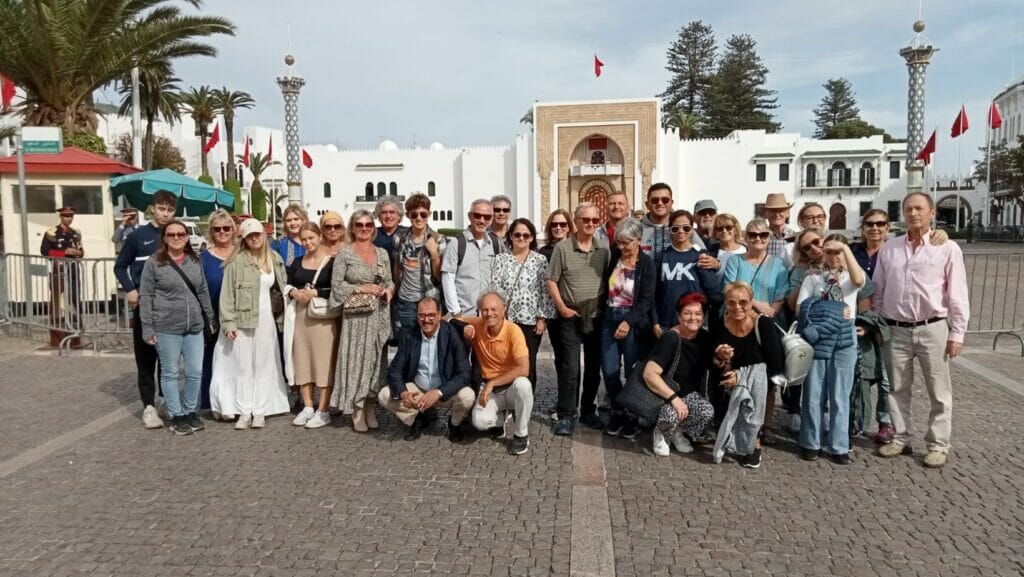
We are a local tour operator based in Málaga with over 50 years’ experience organising trips around Andalusia. Tetouan can be explored in a day, and the logistics are the tricky bit: bus, ferry and border.
⚠️ A valid passport is essential. You cross the border between Ceuta and Morocco, and without it you cannot cross. A national identity card is not valid.
Includes coach, ferry, guide and a Moroccan lunch —drinks not included—. And the local guide makes all the difference here: The medina is a labyrinth and the doors only make sense when someone explains them to you.
Before you go: Entry requirements for Morocco y all the sights to see in Morocco.
There are eight in total, although only seven are historic: Bab el Okla, Bab Tut, Bab Saida, Bab Nuader, Bab Remuz, Bab Mqabar and Bab Jiaf. The eighth, Bab Rouah, was opened much later next to the Royal Palace to regulate traffic, which is why some sources refer to seven entrances and others to eight.
This is because Queen Isabella II’s soldiers stood guard there during the Spanish occupation of Tetouan in 1860. It is not a symbolic nickname, but a reference to a specific historical event. It is the best-known gate in the medina and the usual starting point for guided tours.
Its documented Spanish name is Puerta de San Fernando. The translation «Gate of Happiness» is circulating online, due to its similarity to the Arabic word Saada, but this is not its historical name. It leads to the Blad district, the most aristocratic part of the medina, and to the Great Mosque, built in 1807.
Bab Jiaf, in the north-east and dating from the 17th century. It remained closed and was only opened to allow access for burials of the Jewish community, a function shared by no other gate in the wall. The cemetery to which it gave access is now completely bricked up.
UNESCO inscribed it on the World Heritage List in 1997 for preserving its Al-Andalus urban layout virtually intact. It was refounded in the late 15th century and repopulated during the 16th century by Muslims and Jews expelled from the Iberian Peninsula, who brought their architecture, urban planning and craftsmanship with them. Hence, it is known as «the daughter of Granada».
Yes, and it must be valid. The visit involves crossing the border between Ceuta and Morocco, where the DNI is not valid. It is advisable to check that the document is valid in advance, as this is the step that causes the most problems on day trips.