Tarifa’s beaches are amongst the most spectacular on the Cádiz coastline: kilometres of white sand, clear water and, on clear days, the African coastline visible across the Strait. But there is one factor here that is not found on the rest of the coast: the wind.
The Eastern That’s what has made Tarifa a European kitesurfing capital, and it’s also what determines which beach is best for you each day. These are The five best beaches in Tarifa, with what each one has to offer and which one to choose depending on whether it blows or not.
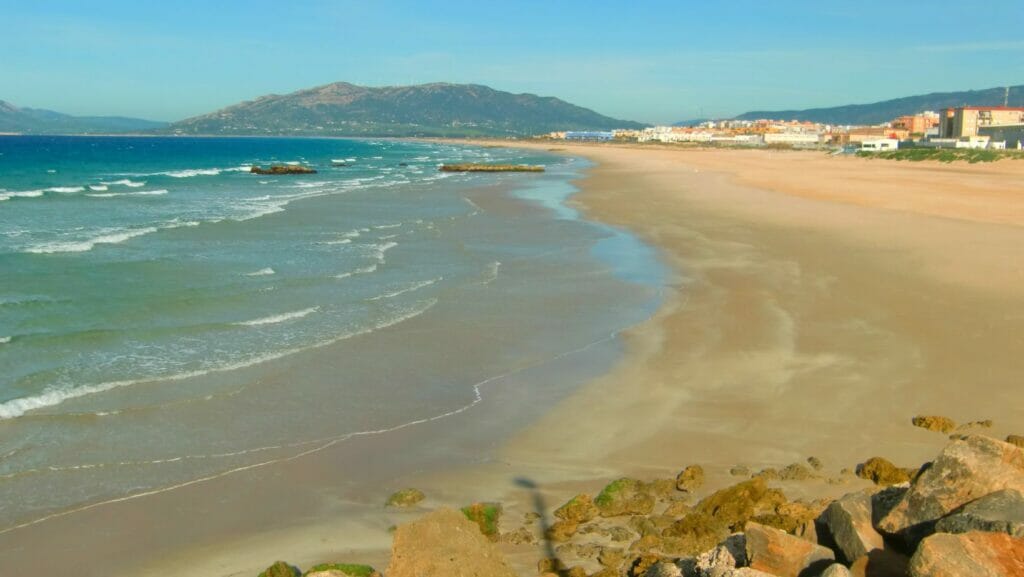
The most extensive and the most accessible: It starts in the town centre itself and stretches several kilometres northwards along a stretch of white sand and shallow water. You can walk there from the centre.
It is Protected Natural Area: its central section features marshes and lagoons that attract large numbers of birds, particularly during the spring and autumn migrations.
With a north-easterly wind It is the main venue for kitesurfers and windsurfers, and the bay is filled with colourful kites. No pick-up It turns into a vast, bright and peaceful stretch of sand, with good facilities and beach bars.
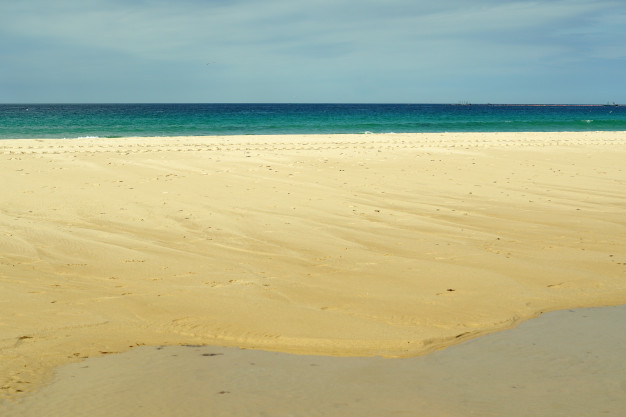
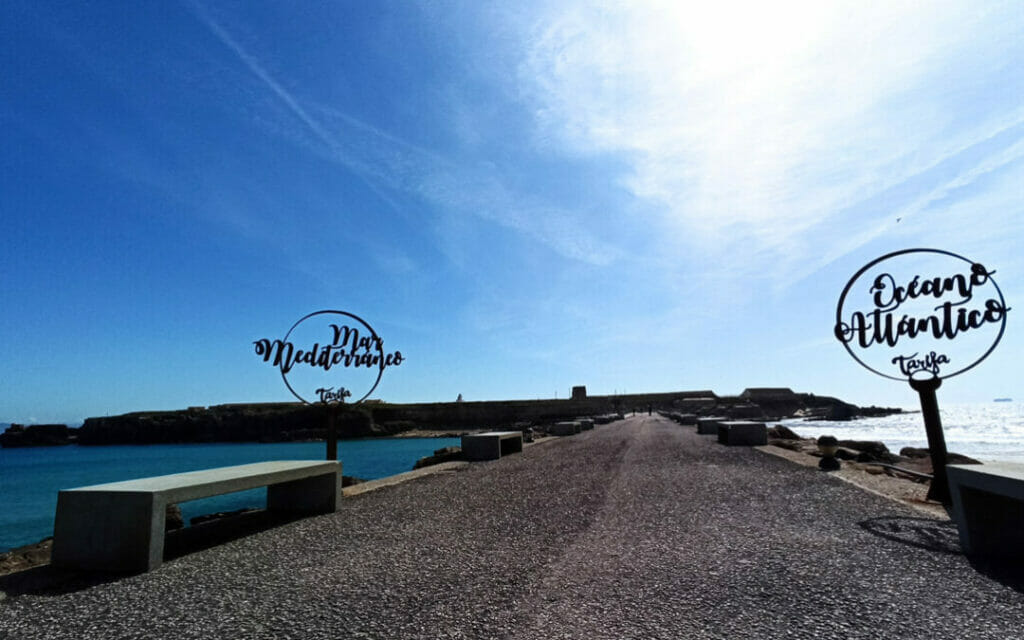
The smallest and the most protected. It is a cove next to the harbour, on the isthmus that links the town with the Isla de las Palomas, the southernmost point of mainland Europe. That isthmus and the breakwater shelter it, making it something quite unusual here: a an urban beach with calm waters.
It’s the best option in moderate easterly winds, and it’s also the most convenient option for visiting with children or popping in for a quick swim without having to take the car. It’s just a short walk from the old town.
Discover everything Tarifa has to offer beyond its beaches
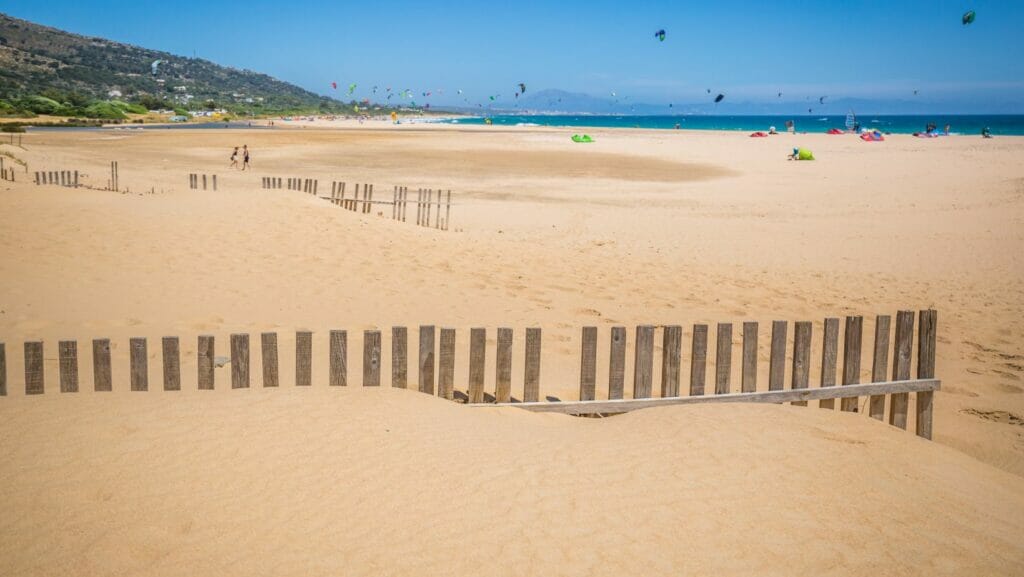
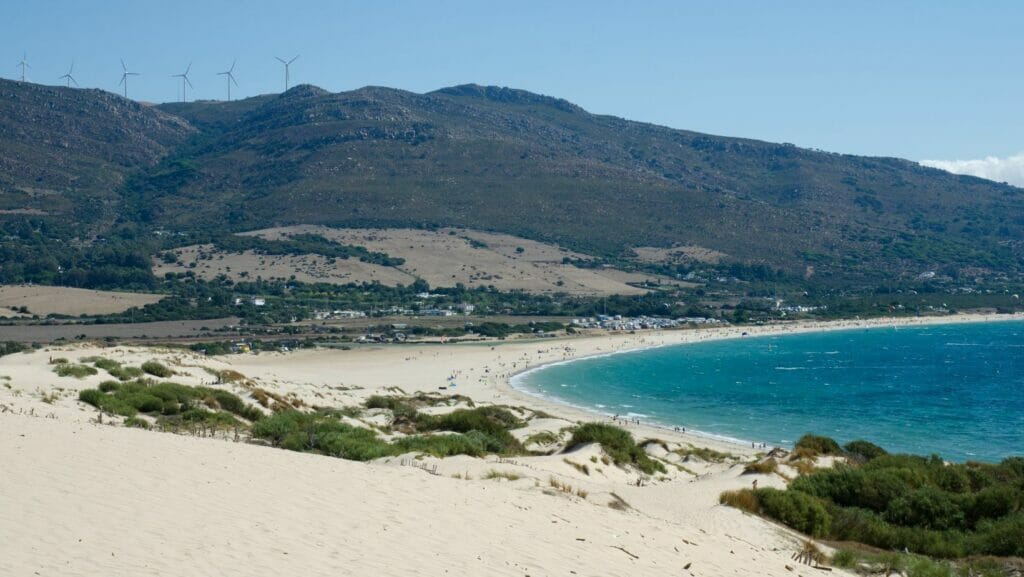
A few kilometres north of Los Lances, and Tarifa’s most recognisable sight due to its giant dune, which slopes down almost to the sea and is accessible on foot. A very open beach with fine sand and clear water, situated in the cove from which it takes its name.
It is the other major hub for wind sports, with schools and beach bars. The best known is El Tumbao, where many people spend the whole day. No pick-up what remains is a vast, much more tranquil stretch of sand; with a nor'easter, a kite display that can be enjoyed from the sand or from the top of the dune.
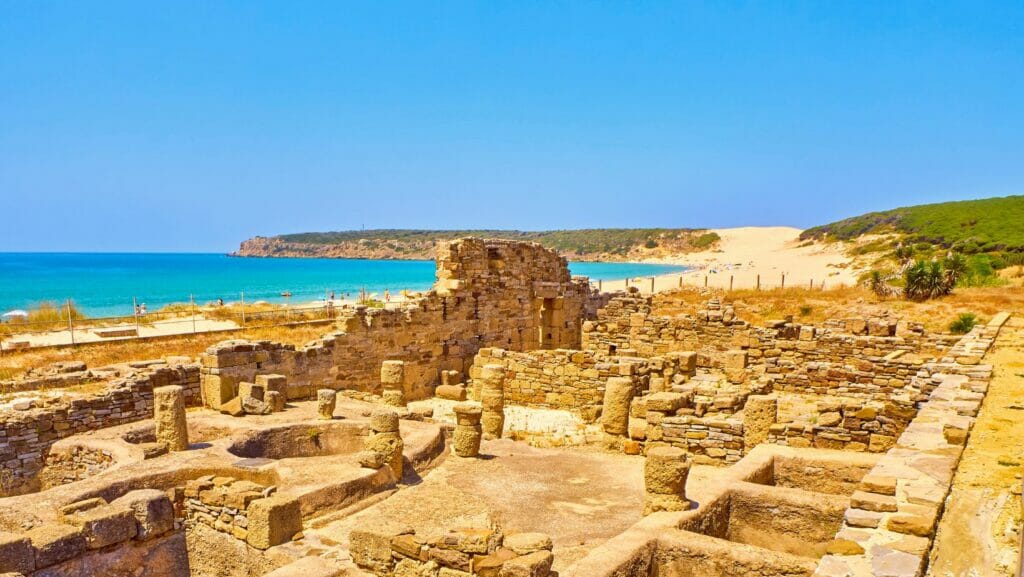
For many, the prettiest in the whole area. It’s about 22 kilometres north-west of Tarifa, a 20- to 25-minute drive away, in a cove with turquoise waters and virtually undeveloped. Its A shifting dune has been designated a Natural Monument and you go up to see the Strait from above.
What makes it unique: right on the beach are the ruins of Baelo Claudia, a Roman city with its forum, its theatre and its salting works, where garum was produced. It is one of the best-preserved sites on the peninsula and admission is free.
As it faces the cove, it is somewhat more sheltered from the east wind than the beaches near the town, so it’s a good alternative on windy days.
At the end of Valdevaqueros Cove, heading north. The wildest of the five: pale sand, crystal-clear water, dunes and far fewer people, with few facilities and a natural atmosphere.
Its hallmark features are the clay pits in the rocky area: lots of people cover themselves in mud as a sort of makeshift thermal bath and then rinse off in the sea. It’s a deeply-rooted tradition here.
Because she’s so open takes the shot head-on, so save it for a quiet day. In those conditions, it’s probably the prettiest spot on the Tarifa coastline.
This is the decision that really matters in Tarifa, so here’s a summary:
The rule of thumb is simple: Check the wind forecast before choosing a beach, not on arrival. And if the easterly wind picks up, there are plenty of alternatives: the walled old town, the viewpoints overlooking the Strait, Baelo Claudia or a day trip. We’ve listed them in what to do in Tarifa with an easterly wind.
Tarifa is situated at the southernmost tip of the province of Cádiz, on the N-340. It takes just under an hour to drive from Cádiz city; from Málaga and the Costa del Sol, between an hour and a half and two hours. Driving is the most convenient way to get around, as the beaches stretch for several kilometres.
During peak season, go early: The car parks at Valdevaqueros, Punta Paloma and Bolonia fill up quickly. For the rest of the resort, you have What to see in Tarifa and the Guide to Tarifa. And if you carry on northwards along the coast, Zahara de los Atunes It’s half an hour away.
We are a local tour operator based in Málaga with over 50 years’ experience organising trips around Andalusia, and these three have collection in Tarifa and Algeciras. They’re the obvious choice for a day when the north-easterly wind is strong:
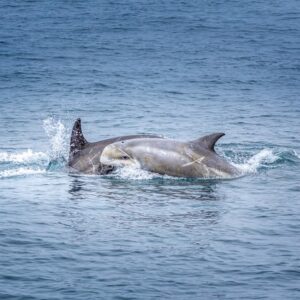
Whale-watching in the Strait. The Strait of Gibraltar is a migration route for dolphins, pilot whales and whales, and is a UNESCO Biosphere Reserve. The trip combines a boat trip with a visit to Gibraltar.
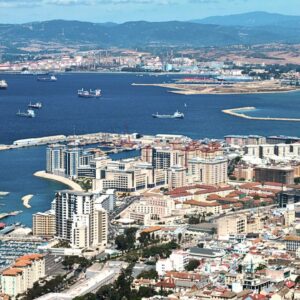
Gibraltar. The Rock, the Nature Reserve, San Miguel Cave and the monkeys, with views of the Strait from above. You can find more details in the Gibraltar guide.
Tangier. Cross over to Africa by ferry from the port of Tarifa itself and spend the day in the medina. If you’re interested in this destination, you can find some background information at Morocco’s artisan sweets.
Los Lances, the largest and closest to the town centre; Playa Chica, the smallest and most sheltered; Valdevaqueros, famous for its large dune; Bolonia, with turquoise waters and the Roman ruins of Baelo Claudia right on the beach; and Punta Paloma, the wildest and best known for its clay pools. The best choice depends above all on whether the levante is blowing that day.
Playa Chica is the most sheltered, as it is protected by the harbour and the isthmus of Isla de las Palomas. Next comes Bolonia, which is somewhat more sheltered due to its location in a cove. The large, open beaches — Los Lances, Valdevaqueros and Punta Paloma — are the most exposed, making them ideal for kitesurfing but not particularly comfortable for a day at the beach when the wind is strong.
Playa Chica, thanks to its small size, calm sea and location just a short walk from the old town, which means you can pop back into the centre at any time. Los Lances is also a good choice on days when there’s no north-easterly wind, as the water is shallow across a wide stretch. The beaches to the north are prettier but much more exposed to the wind.
It is about 22 kilometres north-west of Tarifa, a 20- to 25-minute drive away. Take the signposted turn-off from the N-340 and follow the local road down to the cove, where you’ll find a car park next to the Baelo Claudia archaeological site. In high season, it’s best to arrive early, as the car park fills up quickly.
Yes, and that’s one of the things that makes Bologna unique: the ruins are literally right on the beach. The forum, the theatre and the salting workshops where garum – the fish sauce exported by the city – was produced are all still standing. It is one of the best-preserved Roman sites on the peninsula and admission is free.
If the east wind is moderate, head for Playa Chica or Bolonia, the two most sheltered spots. If it’s blowing hard, the sand will be flying about and it’s best to change your plans: the walled old town, the viewpoints overlooking the Strait, the ruins of Baelo Claudia, or a day trip with collection from Tarifa, such as whale watching, a trip to Gibraltar or the ferry crossing to Tangier.